The Importance of Monitoring Unemployment in New York
Unemployment is a critical economic indicator that reflects the health of a state’s economy. In New York, a state renowned for its diverse economy encompassing finance, healthcare, technology, and tourism, unemployment rates can significantly influence both local and national economic policies. Understanding trends in unemployment helps govern policy decisions, aid planning efforts, and inform the workforce.
Current Unemployment Trends in New York
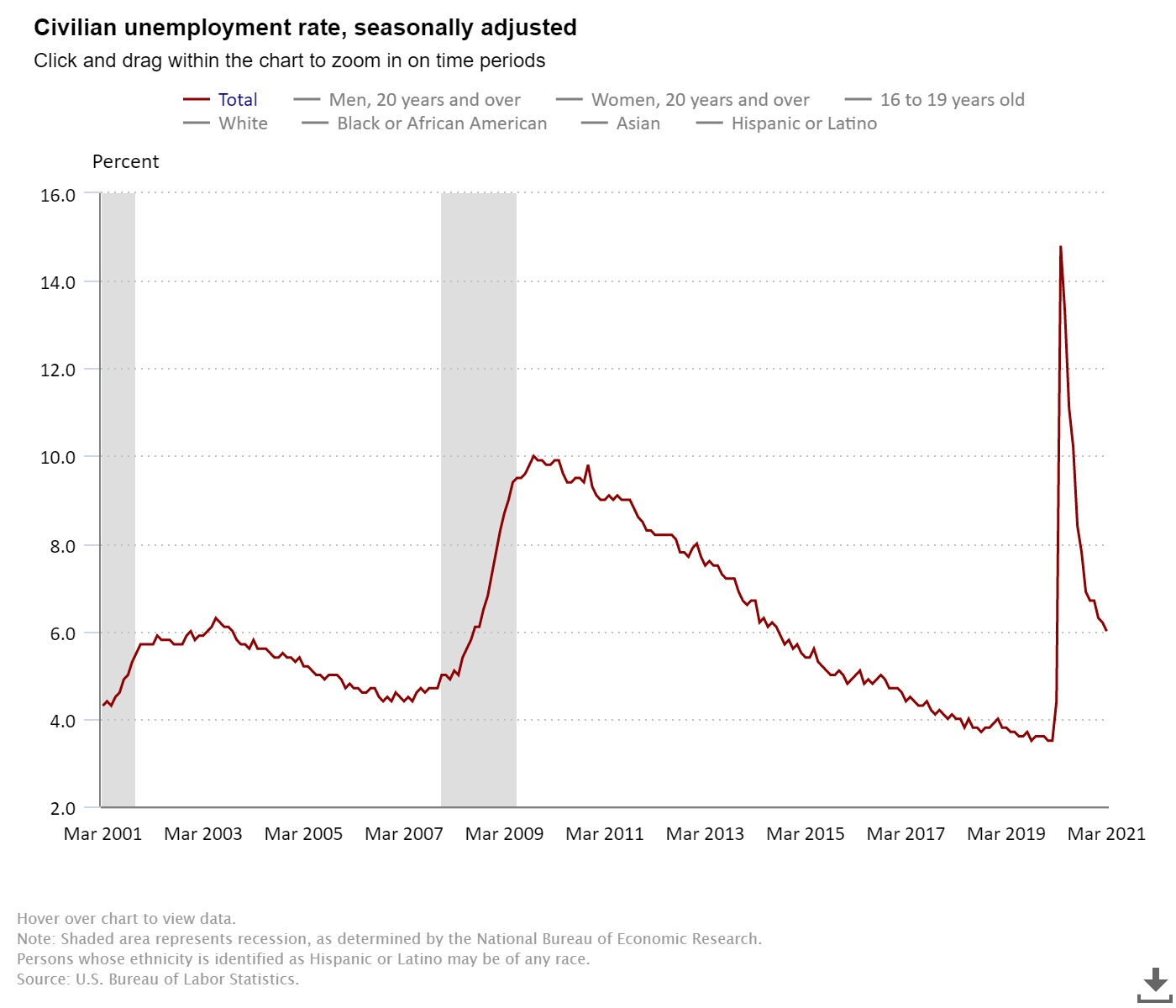
As of September 2023, New York’s unemployment rate stands at 4.8%, slightly above the national average of 3.8%. This data comes from the U.S. Bureau of Labor Statistics (BLS), which has reported that the unemployment rate in New York has shown fluctuations over the past year, largely influenced by the aftermath of the COVID-19 pandemic and ongoing economic recovery efforts.
The state has seen a steady decrease in unemployment from a peak of 16.2% in April 2020 during the height of the pandemic, reflecting gradual economic recovery. Notably, sectors such as hospitality and entertainment, deeply affected by pandemic restrictions, are seeing positive growth as tourism rebounds.
Key Factors Influencing Unemployment
Several factors contribute to the current unemployment situation in New York. High levels of inflation, rising interest rates, and supply chain issues are key challenges for many sectors. The New York Federal Reserve has also emphasized that labor market tightness, especially in areas like transportation and warehouse logistics, has led to competition for skilled workers.
Additionally, the state is working on various initiatives aimed at workforce development, job placement programs, and skill training to address the mismatch between job vacancies and available talent. These programs are essential in helping unemployed individuals gain new skills and transition into job-ready positions.
Looking Ahead: The Future of Unemployment in New York
Experts predict that New York’s unemployment rate will continue to fluctuate in the coming months, influenced by seasonal employment trends and ongoing economic conditions. Continued investments in infrastructure and technology, as part of the state’s recovery strategy, may also lead to job creation. Additionally, as industries adapt to a post-pandemic environment, sectors such as remote work, e-commerce, and health services may provide new opportunities for employment.
For New Yorkers, staying informed about unemployment trends is crucial for understanding job market dynamics and making informed career decisions. The state’s efforts to enhance workforce development will be significant in ensuring a robust economic future, directly impacting the lives of many residents.