Introduction
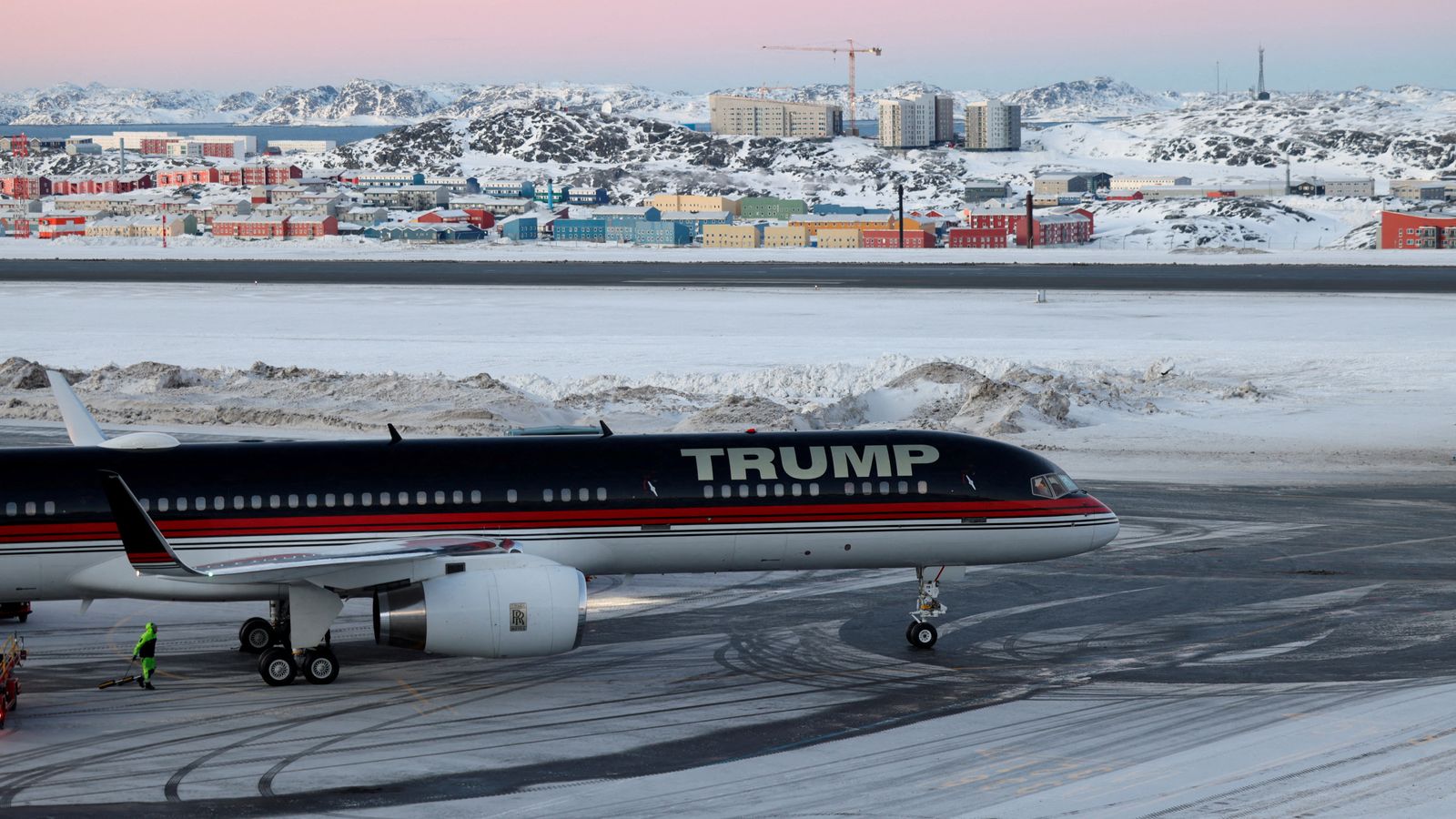
The idea of former President Donald Trump wanting to purchase Greenland may seem unusual, but it highlights several significant geopolitical and economic considerations. Greenland, the world’s largest island, holds strategic military and resource advantages, making its acquisition appealing for both historical and current political landscapes.
The Background of Trump’s Interest
Donald Trump first expressed his interest in acquiring Greenland in 2019 during a state visit to Denmark. He suggested that the United States could buy the island, stating, “It’s a large real estate deal.” This proposition stunned many, but was also rooted in a deeper analysis of Greenland’s strategic importance—particularly in terms of military positioning and natural resources.
Strategic Importance
Greenland’s geographical location makes it a vital part of the Arctic region, which is becoming increasingly significant due to climate change. As polar ice caps melt, sea routes are opening, and access to natural resources is becoming available. The area could contain vast reserves of oil, gas, and minerals, making it economically valuable. Thus, control over Greenland could enhance U.S. interests in resource extraction and influence within the Arctic Circle.
Military Considerations
Greenland is home to Thule Air Base, important for U.S. military operations, including missile warning systems. Control over Greenland could bolster American defense capabilities against other countries’ advances in the Arctic, notably Russia and China, both of which are showing increasing interest in the region. The strategic military aspect aligns with Trump’s objective to strengthen America’s global military posture in an era of heightened geopolitical competition.
Reactions to the Proposal
The suggestion to buy Greenland was met with mixed reactions. Denmark’s Prime Minister, Mette Frederiksen, dismissed the notion, calling it “absurd,” and reinforced Denmark’s sovereignty over the island. However, the incident sparked conversations about U.S. interests in the Arctic and led to debates on the importance of Greenland in the context of national security and international relations.
Conclusion
Trump’s interest in Greenland can be seen as a reflection of broader trends in global geopolitics, where nations are increasingly focused on securing valuable territories and resources. While the idea of purchasing Greenland may appear strange, it encapsulates the complexities of international relations and the necessity for strategic positioning in an evolving world. As the Arctic continues to draw attention, the significance of Greenland will remain a crucial topic for governments and policymakers worldwide.