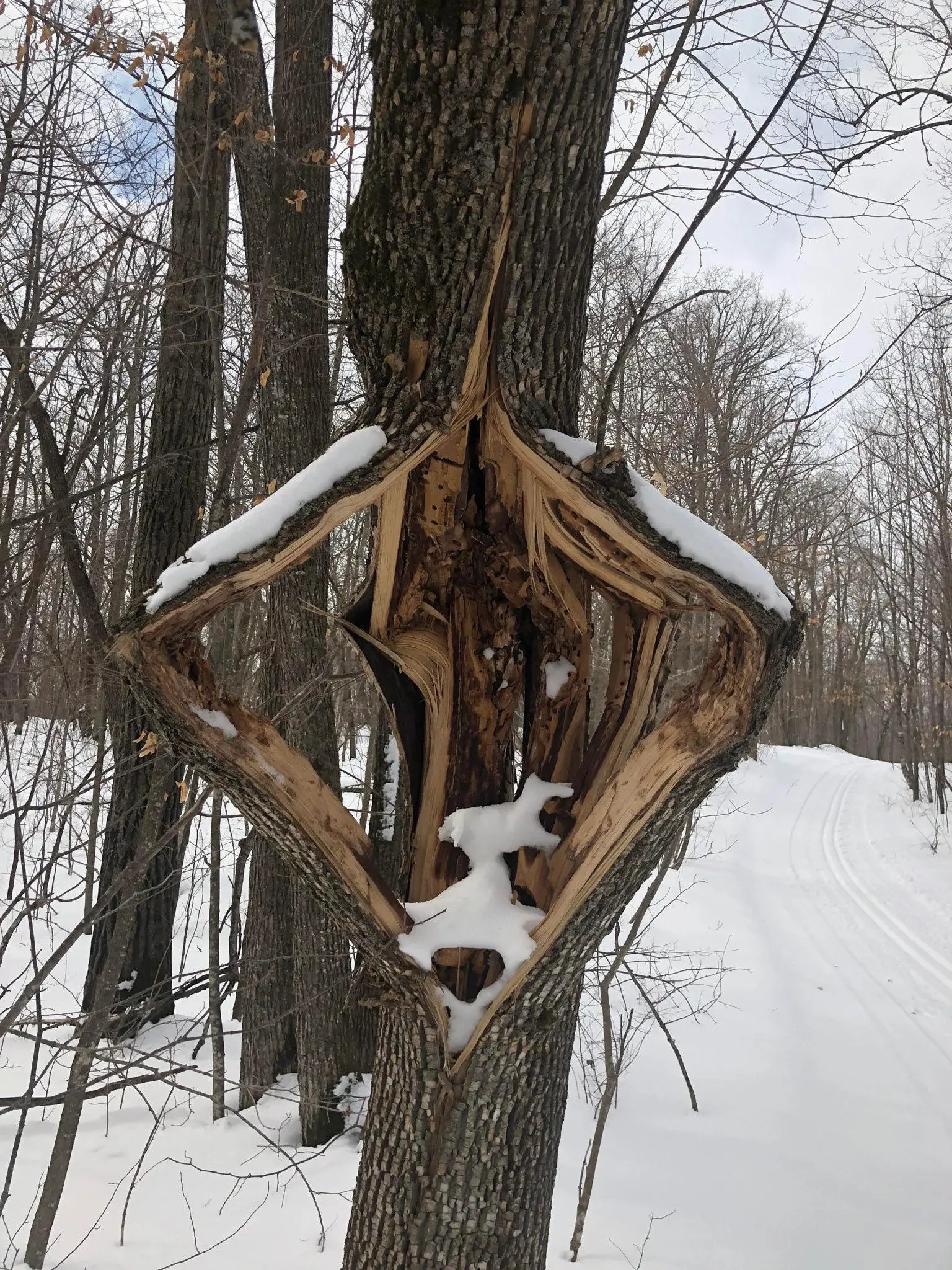
The Phenomenon of Exploding Trees
As winter settles in across various regions, the phenomenon of trees exploding due to cold temperatures has garnered attention. This unusual occurrence, often witnessed in particularly frigid climates, raises questions about the survival strategies of trees and the impact of extreme weather on our forests.
What Causes Trees to Explode?
The cause behind trees exploding in cold weather primarily lies in their internal structure and the biology of water within them. When temperatures plummet, the water inside trees can freeze. As water turns to ice, it expands, putting immense pressure on the tree’s structure. If the pressure becomes excessive, it can lead to the tree’s bark splitting or even blasting its wood apart, creating a loud noise reminiscent of a gunshot. This phenomenon is particularly common in trees with thinner bark, such as beech or maple.
Recent Incidents and Observations
In recent weeks, reports from various states, notably in the Midwest and Northeast of the United States, have documented several instances of this occurrence. Forecasters recorded temperatures dropping to record lows, which facilitated the conditions conducive for tree explosions. Local residents often express both concern and fascination at this natural spectacle, which serves as a stark reminder of the power of nature.
The Impact of Climate Change
As climate change affects weather patterns, the frequency and intensity of cold spells may increase, leading to a possible rise in such incidents. Experts suggest that understanding the conditions that lead to tree explosions can be integral for forest management and conservation efforts. It raises questions about how these events reflect broader ecological shifts and what they signify for forest health.
Conclusion: Insights and Future Considerations
The phenomenon of trees exploding from cold temperatures is not only intriguing but also significant from an ecological perspective. It highlights the resilience of nature and the challenges posed by extreme weather. As communities adapt to changing climates, understanding these natural processes becomes vital. Foresters and environmental scientists continue to study the implications of rising cold events on tree species and the overall ecosystem. By raising awareness, we can better prepare for and respond to the impacts of climate change on our forests.