Introduction
The topic of air quality has become increasingly important in recent years, especially as cities face challenges related to pollution, climate change, and industrial growth. Today, many across the United States are asking, ‘Why is the air quality bad today?’ Understanding the underlying factors can help individuals take necessary precautions and advocate for more immediate action on environmental policies.
Main Causes of Poor Air Quality
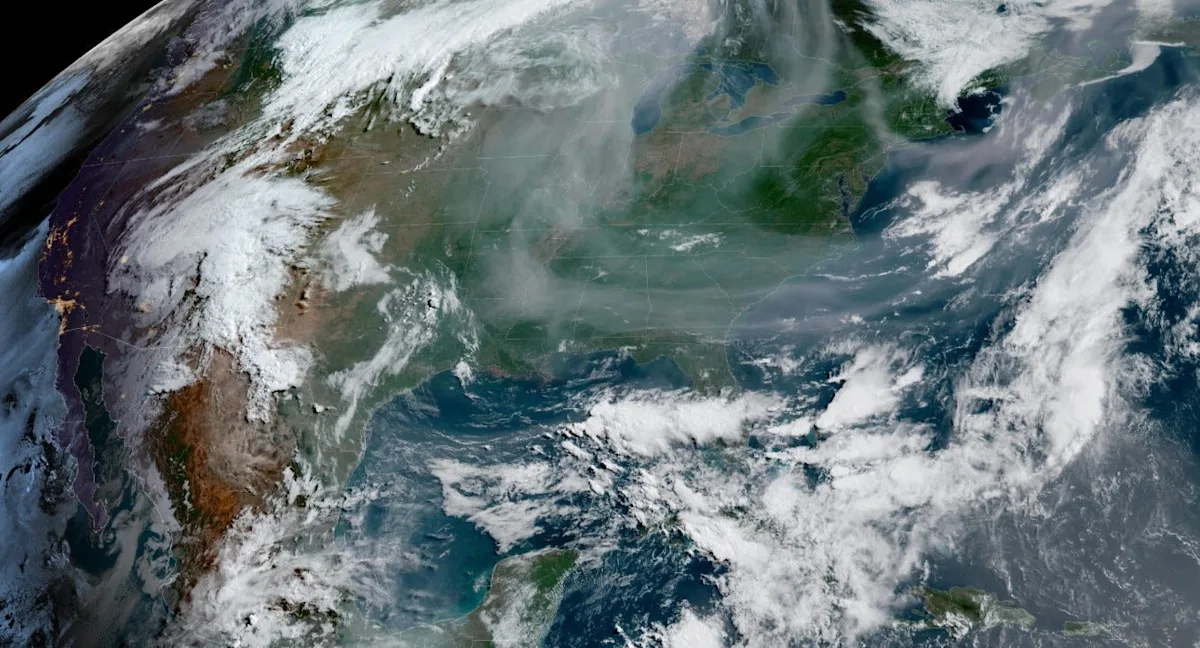
Air quality can fluctuate for various reasons, including natural and human-made factors. Recently, wildfires in the western United States have significantly contributed to poor air quality conditions. The smoke produced by wildfires releases particulate matter and harmful pollutants into the atmosphere, affecting air visibility and health.
In addition to wildfires, urban smog remains a persistent issue in many major cities. Emissions from vehicles, industrial facilities, and construction projects release nitrogen oxides and volatile organic compounds, which in combination with sunlight create ground-level ozone—a primary component of smog. Furthermore, weather conditions play a crucial role. High-pressure systems can trap pollutants close to the ground, exacerbating air quality issues.
Health Implications
Exposure to poor air quality has immediate and long-term health repercussions. Short-term exposure can lead to respiratory problems, exacerbating asthma and leading to increased hospital visits. Vulnerable populations, including children and the elderly, are often most at risk. Long-term exposure to air pollution can result in chronic diseases, including heart disease and lung cancer, making it a significant public health concern.
Preventive Measures and Conclusion
To mitigate the effects of poor air quality, individuals can take certain precautions. Staying indoors, using air purifiers, and keeping windows closed on days with poor air quality can help protect health. Governments and local agencies also play a critical role. Implementing stricter emissions regulations, investing in green spaces, and promoting public transportation can contribute to better air quality in the long run.
In conclusion, the answer to ‘Why is the air quality bad today?’ often lies in a mix of environmental and anthropogenic factors. Understanding these can empower individuals and communities to advocate for better policies and take action to protect their health. As climate events become more pronounced, improved air quality management will be crucial to public health and environmental sustainability in the years to come.