Introduction
The concept of time change, often referred to as Daylight Saving Time (DST), is a pivotal topic in the United States. As we approach the year 2025, discussions around the relevance and implications of changing the clocks are more crucial than ever. With the ongoing debate about its necessity and impact on health, energy consumption, and productivity, understanding the upcoming time change is essential for every American.
Key Dates for Time Change in 2025
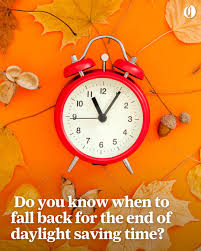
In the United States, Daylight Saving Time begins on the second Sunday in March and ends on the first Sunday in November. For 2025, the clocks will spring forward one hour at 2:00 AM on March 9 and will fall back one hour at 2:00 AM on November 2. This yearly ritual, which affects millions of citizens, seeks to make better use of daylight during the longer days of summer.
Impact of Time Change
The time change can have a variety of effects on people’s daily lives. While some studies suggest that DST can lead to energy conservation by reducing the need for artificial lighting, others highlight the adverse impact on sleep patterns and overall health. The shift can disrupt circadian rhythms, leading to short-term sleep deprivation and increased risk for heart attacks and strokes immediately following the time change. Factoring in these health concerns, the impact of the clock adjustment extends beyond daylight savings, as many families will need to prepare for disrupted routines.
Legislation and Future Considerations
As the year 2025 approaches, discussions surrounding permanent DST continue to gain traction. Legislators in various states are exploring proposals to eliminate the time changes altogether, citing health benefits and improved public safety. The Sunshine Protection Act, which has been introduced several times in Congress, aims to establish permanent daylight saving time. If passed, this would prevent the biannual clock adjustment, ensuring that standard time is never observed again.
Conclusion
As we look ahead to the time change in 2025, its significance resonates on multiple levels—from the daily routines of American families to wider societal implications. Whether or not significant changes to the time change policy will be established remains to be seen. However, it is clear that understanding the effects of Daylight Saving Time is critical for preparedness as we transition into a new year. Staying informed will help you adjust your schedule effectively and contribute to the ongoing dialogue about the relevance of time changes in our modern world.