Introduction: The Significance of Time Change
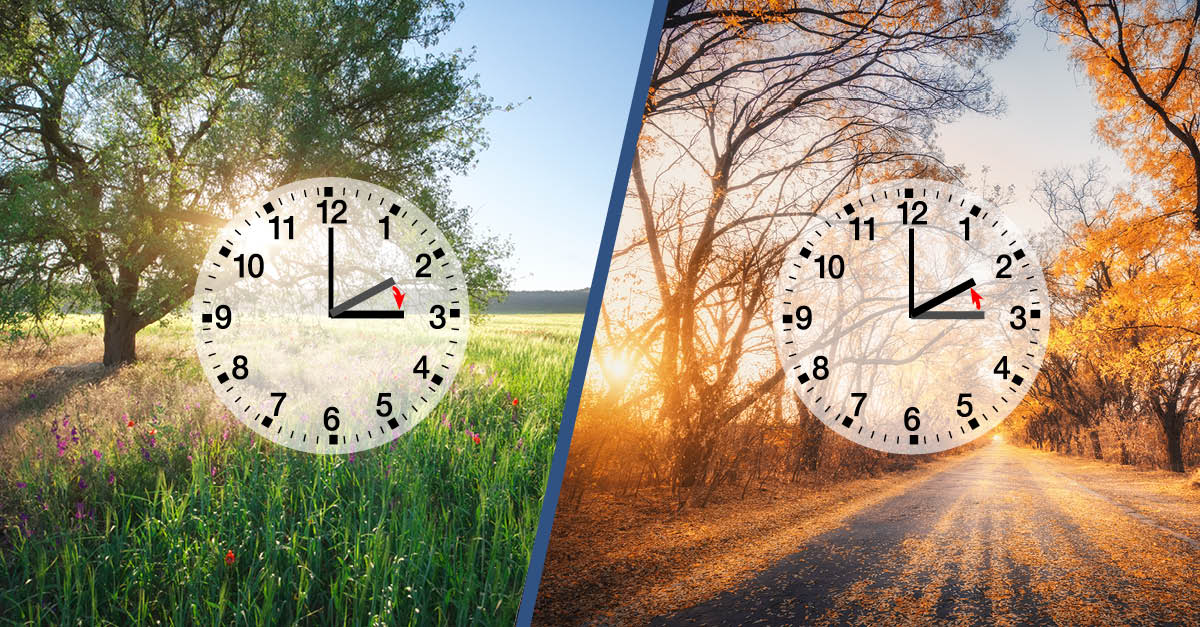
Time change, often referred to as daylight saving time (DST), is a topic that affects millions of people across various regions. In 2025, the annual adjustment of clocks will take place on Sunday, March 9, when clocks will ‘spring forward’ one hour, marking the beginning of DST, and again on Sunday, November 2, when they will ‘fall back’ one hour, signaling the end of DST. Understanding the implications of these changes is crucial as it influences our health, productivity, and overall lifestyle.
The Events Leading to 2025 Time Change
Daylight saving time was first implemented during World War I as a means to conserve energy. Its popularity grew, and many countries adopted the practice, adjusting their clocks twice a year. However, the debate surrounding the efficacy and necessity of DST continues, with numerous studies indicating both pros and cons. As we approach 2025, several states and nations are reevaluating their stance on the time change. In the U.S., for instance, some states, like Florida and California, have proposed legislation to remain on daylight saving time year-round, citing health benefits and reduced energy consumption.
Impacts on Daily Life
The time change affects sleep patterns, work schedules, and overall well-being. Studies show that the shift can lead to a temporary rise in heart attacks and car accidents. Additionally, many employees report a decline in productivity during the weeks following the transition. In 2025, as awareness of these health impacts rises, individuals and employers may seek adjustments in schedules to accommodate the transition, possibly leading to more flexible working arrangements. Furthermore, technology is playing a role in how people manage time changes with reminders and smart devices that automatically adjust clocks.
Conclusion: Looking Ahead
The upcoming time change in 2025 is about more than just shifting the clock; it reflects ongoing conversations about tradition, health, and productivity. As states push for reforms and public health awareness grows, the future of daylight saving time may evolve significantly. Those living in regions observing the time change should prepare for its impacts on their daily routines and stay informed about possible legislative shifts that could redefine this practice as we move further into the 21st century.