Introduction
The Sudan civil war has been a critical issue affecting the nation and the greater Horn of Africa, causing humanitarian crises and regional instability. As clashes between rival factions continue, the situation is becoming increasingly dire for millions of civilians caught in the crossfire. Understanding the roots and consequences of this conflict is essential not only for those directly affected but also for the global community.
The Current Situation
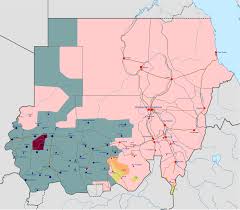
As of October 2023, the civil war in Sudan has escalated significantly since its emergence in April of this year, following a power struggle between the Sudanese Armed Forces (SAF) led by General Abdel Fattah al-Burhan and the Rapid Support Forces (RSF) commanded by General Mohamed Hamdan Dagalo, commonly known as Hemedti. Reports indicate that over 5 million people have been displaced as fighting rages across urban centers and rural regions alike. Major cities, including Khartoum and Darfur, have seen intense battles, leading to widespread destruction and humanitarian needs.
Humanitarian Crisis
The humanitarian implications are severe. According to the United Nations, nearly 25 million people—about half of Sudan’s population—are in urgent need of assistance, including food, shelter, and medical care. Access to clean water and sanitation has deteriorated, exacerbating the risks of disease spread. Aid organizations are struggling to reach affected populations due to ongoing violence and logistical challenges, making it critical for international support and intervention to be mobilized promptly.
The Role of the International Community
In response to the crisis, various countries and organizations have issued statements condemning the violence and calling for peace. The African Union and the United Nations have been particularly vocal in their efforts to mediate discussions between factions. However, talks remain complicated, and confidence is low among the conflicting parties, who continue to engage in hostilities instead of seeking diplomatic solutions.
Conclusion
The Sudan civil war exemplifies how power struggles can result in widespread suffering for innocent civilians. As the conflict endures, the need for international cooperation to aid humanitarian efforts and foster a sustainable resolution remains paramount. The future stability of Sudan and the wider region depends on the willingness of all parties involved to prioritize peace and the well-being of their citizens over personal power. Continued vigilance and assistance from the global community will be essential in navigating the complexities of this ongoing crisis.