Introduction
The Obama Presidential Library, one of the most anticipated presidential libraries in the United States, is set to become a major cultural and educational landmark. As the first presidential library to be constructed in the digital age, it aims to house President Barack Obama’s legacy while providing a space for civic engagement and historical research. Understanding its importance is essential as it represents not just the achievements of a historic presidency, but it also embodies a new approach to preserving and sharing presidential history.
Details Surrounding the Library
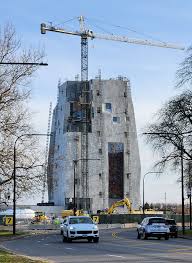
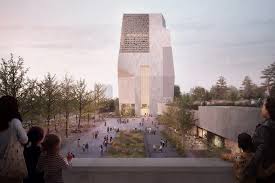
The Obama Presidential Library is located in Chicago, Illinois, at the Jackson Park site, a choice that holds both personal and political significance for the former president, who spent much of his political career in the city. The project involves a significant investment, estimated to be around $500 million, and construction is overseen by the Obama Foundation. The design, by the architectural firm Tod Williams Billie Tsien Architects, emphasizes sustainability and will incorporate open public spaces to encourage community engagement.
Since the groundbreaking ceremony in September 2021, the library has made steady progress, with plans to showcase archived records, personal documents, and multimedia displays that offer insights into the Obama administration’s policies and challenges. The library will also include a community engagement center, aiming to inspire local youth and engage visitors in social issues prevalent today.
Community Engagement and Educational Opportunities
Beyond being a mere archive, the Obama Presidential Library focuses on education and community outreach. Programs are being developed to support educational initiatives, scholarships, and leadership training for young people. This aligns with Obama’s vision of empowering the next generation of leaders through informed civic participation. Events and workshops will be held regularly to foster discussions on democracy, civil rights, and various societal challenges.
Conclusion
The Obama Presidential Library is more than a museum; it embodies an evolving narrative of American democracy and public service. As it nears completion, it is anticipated to serve as a critical resource for scholars, educators, and the public, bridging the gap between historical governance and contemporary society. With its focus on community engagement and education, the Obama Presidential Library promises to become a transformative space, dedicated to building a better, informed society. Its impact will likely extend beyond Chicago, influencing civic education and participation nationally.