Introduction
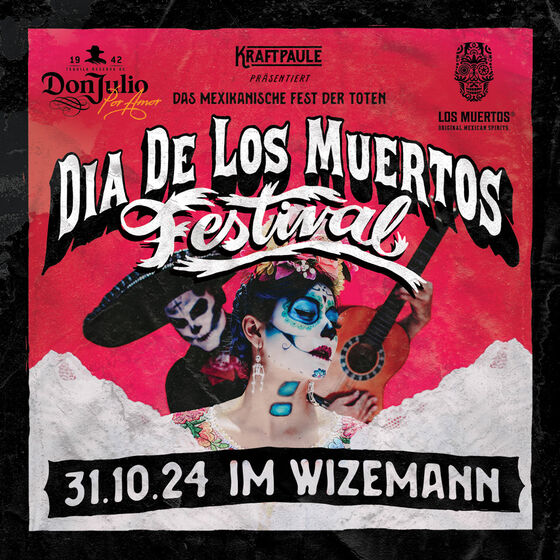
Día de los Muertos, or the Day of the Dead, is a deeply significant holiday celebrated primarily in Mexico and among Mexican communities worldwide. This colorful festivity takes place on November 1st and 2nd, aligning with the Catholic observances of All Saints’ Day and All Souls’ Day. It holds great importance as it honors deceased loved ones, blending indigenous practices with Catholic traditions. The celebration serves as a reminder of the enduring bond between life and death, encapsulating joy and sorrow in an extraordinary display of love and remembrance.
Celebratory Traditions
During Día de los Muertos, families create altars, known as ofrendas, to commemorate their deceased. These altars are adorned with photos, mementos, and favorite foods of those who have passed away, inviting their spirits to return for a brief visit. Traditional offerings may include pan de muerto, sugar skulls, marigolds, and beverages like tequila and pulque.
The significance behind these offerings is profound—they symbolize the nourishment and guidance that the deceased provide to the living. Streets come alive with parades, dance, music, and vibrant decorations, showcasing a rich cultural tapestry that has been passed down through generations.
Growing Global Recognition
In recent years, Día de los Muertos has garnered worldwide attention as communities outside of Mexico participate in the festivities. UNESCO recognized it as an Intangible Cultural Heritage of Humanity in 2008, highlighting its importance not only in Mexican culture but in the collective human experience of honoring the dead. Cities across the United States, especially those with large Hispanic populations, host public celebrations featuring art displays, processions, and workshops, allowing diverse audiences to engage with the traditions of Día de los Muertos.
Conclusion
Día de los Muertos is more than a remembrance of those who have passed; it is a celebration of life, love, and connection across generations. As the world becomes increasingly globalized, this vibrant holiday is a poignant reminder of cultural heritage and the universal human experience of loss and memory. By embracing the traditions of Día de los Muertos, people can foster understanding and appreciation of the diverse ways in which cultures honor their ancestors. In a time where digital connection often replaces face-to-face interaction, Día de los Muertos brings families and communities together in meaningful ways, ensuring that the legacy of loved ones lives on.