Introduction
The Federal Reserve, the central bank of the United States, plays a crucial role in shaping the nation’s economic landscape through its monetary policy decisions. Recently, the Fed announced its decision regarding interest rates, a move that carries significant implications for borrowers, investors, and the overall economic growth. As inflation concerns and global economic conditions fluctuate, understanding the Fed’s decision becomes critical for various stakeholders.
Details of the Decision
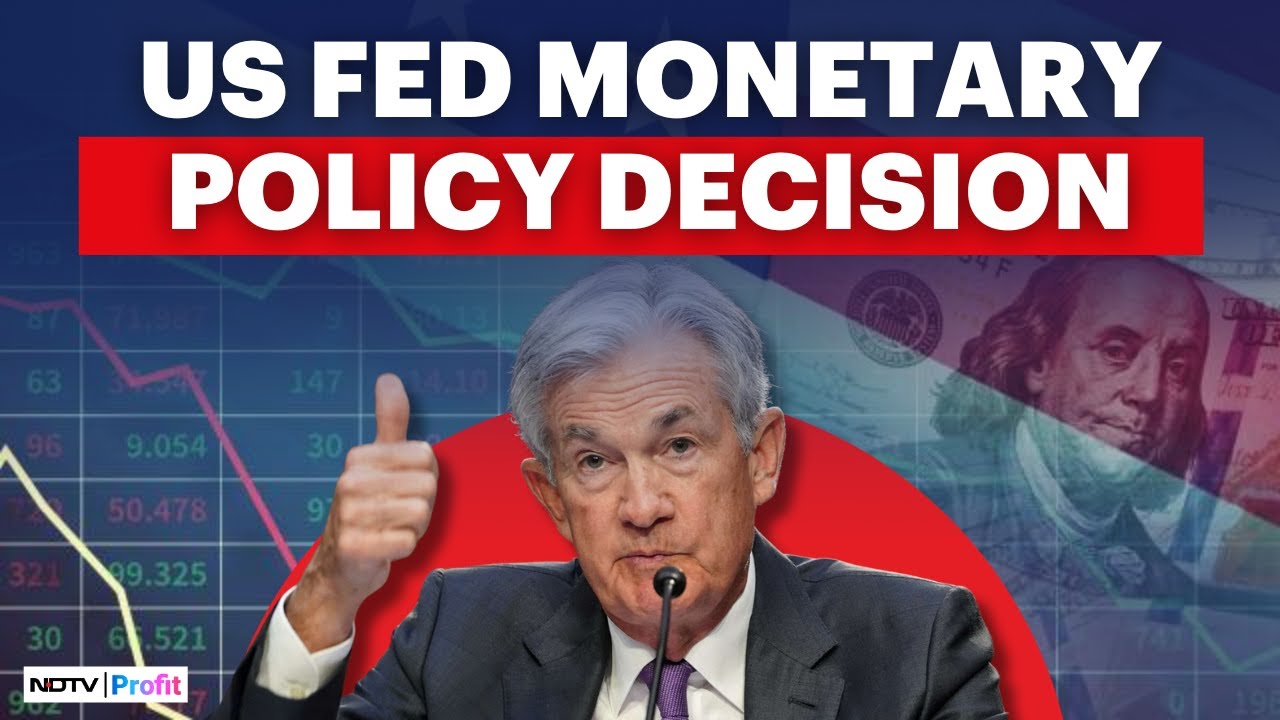
On October 25, 2023, the Federal Reserve opted to keep the benchmark interest rate steady at 5.25%-5.50%. This decision comes after a series of rate hikes aimed at controlling inflation, which had surged to levels not experienced in decades. The Fed’s meeting noted that while inflation has shown signs of stabilizing, it remains above the target rate of 2%. Federal Reserve Chair Jerome Powell emphasized the importance of remaining vigilant about inflationary pressures while also considering the potential risks to economic growth and employment.
Economic Indicators Analyzed
In making its decision, the Fed took several key economic indicators into account. Recent reports indicate a slight slowdown in GDP growth, which was recorded at 2% for the third quarter of 2023, down from 3% earlier in the year. Unemployment rates have remained low at 3.8%, yet labor market tightness raises concerns of wage inflation. Consumer spending showed resilience but reflected a shift in confidence, suggesting that consumers are becoming more cautious as borrowing costs remain elevated.
Market Reactions
The reaction in the stock market was mixed following the announcement, as investors assessed the implications of the Fed’s pause on interest rate increases. Some analysts predict that holding the rate steady could provide stability in the markets, while others caution that prolonged high rates might stifle economic growth. Bond yields fell slightly while major indices saw fluctuations as investors digested the news.
Conclusion and Future Projections
The Fed’s decision is significant not only for its immediate effects but also for its long-term outlook on the U.S. economy. Analysts anticipate that the Fed may need to take further measures if inflation does not show sustainable signs of easing. Looking ahead, market observers will be closely monitoring economic data releases and signals from the Fed for indications of future policy shifts. As such, understanding these decisions is essential for businesses, investors, and ordinary citizens who navigate the economic landscape influenced by the Fed.