Introduction
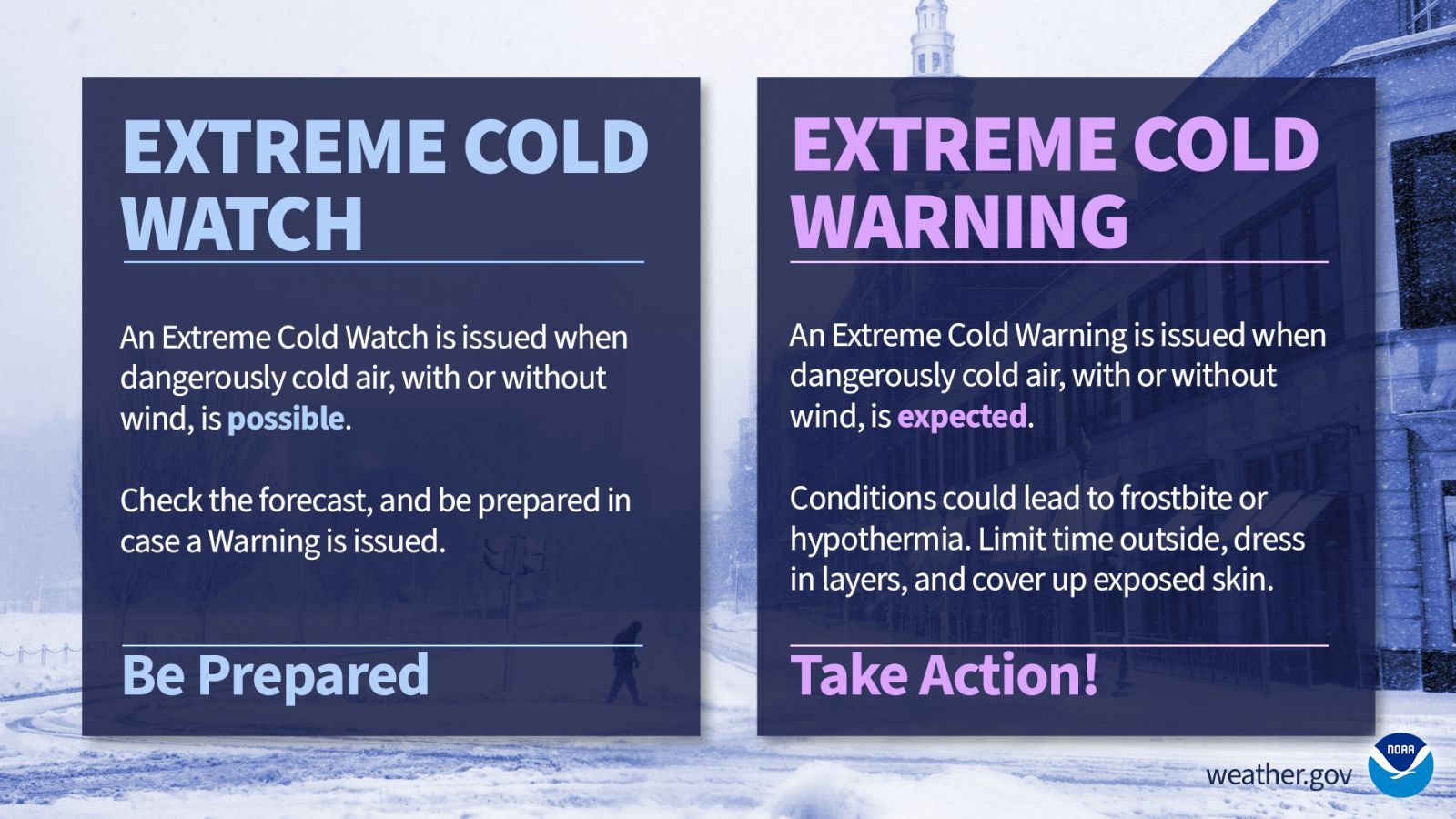
As winter settles in across the northern regions of the United States, an extreme cold watch has been issued by the National Weather Service (NWS) for several states. Understanding the implications of this watch is critical for residents and travelers, as extreme cold can pose serious health risks and disrupt normal activities. The watch is indicative of severe drop in temperatures, often accompanied by dangerous wind chill factors, creating potentially life-threatening conditions.
Details of the Extreme Cold Watch
According to the NWS, areas primarily affected include parts of the Northeast, Midwest, and Northern Plains. The extreme cold watch warns that temperatures could plummet to dangerous lows, potentially reaching below zero Fahrenheit. In some regions, wind chills may make it feel even colder, with forecasts predicting wind chill factors between -15°F to -30°F. The watches are a proactive measure used to alert the public of impending extreme conditions.
Health Risks and Safety Measures
Extreme cold presents numerous risks, particularly for the elderly, young children, and those with pre-existing health conditions. Hypothermia and frostbite are significant concerns as even brief exposure to such low temperatures can cause harm. The Centers for Disease Control and Prevention (CDC) recommends several safety measures:
- Dress in layers and cover all exposed skin.
- Stay indoors when possible and limit outdoor activities.
- Have an emergency kit ready with essentials in case of power outages.
- Check on vulnerable neighbors and family members.
Following these steps can mitigate the dangers posed by the severe cold.
Significance of Preparedness
The issuing of an extreme cold watch serves as a crucial early warning. Residents are urged to stay informed through trustworthy news sources and the NWS. Cities and local governments are preparing to respond to potential disruptions, including road closures and increased shelter needs for those without homes. Being prepared and understanding risk factors can mean the difference between safety and danger during extreme cold events.
Conclusion
In light of the extreme cold watch alerts, it is essential for individuals in affected areas to take precautions seriously. The forecasts indicate that these conditions could last for several days, prompting a need for vigilance and community support. As winter weather becomes more unpredictable, being proactive can ensure the safety and well-being of all residents. Taking the time to prepare can ultimately save lives.