Introduction to the DHS Shutdown
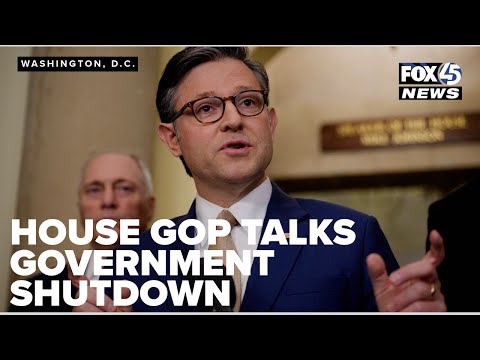
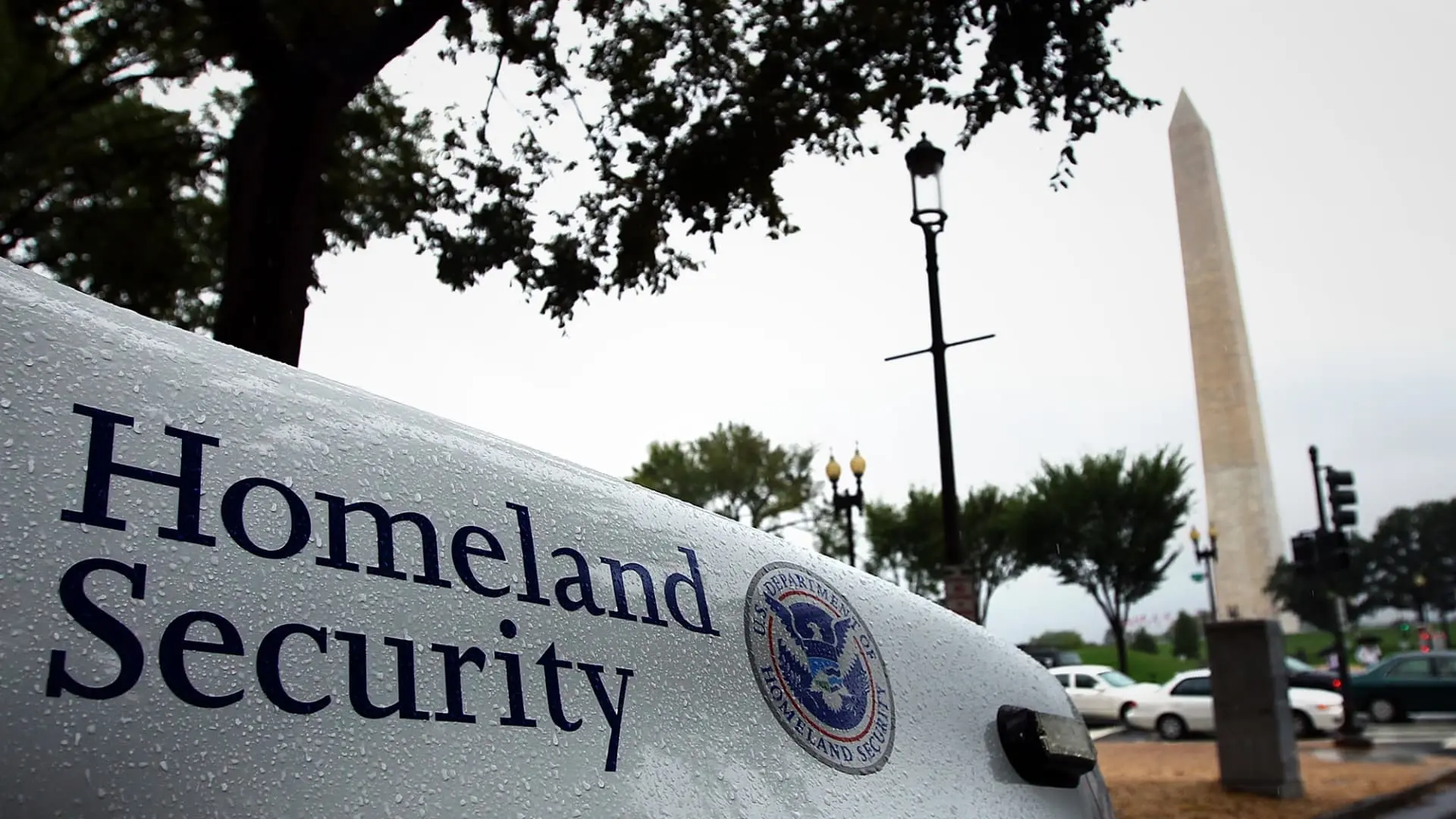
The possibility of a shutdown of the Department of Homeland Security (DHS) has emerged as a pressing issue in American politics. With tensions escalating in Congress over budgetary disagreements, the implications of a DHS shutdown could have drastic effects on national security, immigration policies, and various public services. The DHS plays a critical role in ensuring the safety of the nation, and any disruption in its operations warrants significant public attention.
Current Events and Key Players
As of late October 2023, lawmakers are grappling with a deadline to pass a continuing resolution that would fund government operations, including those of the DHS. Political debates center around funding allocations, particularly regarding immigration enforcement and border security measures. The Democrats and Republicans have been at odds, with Democrats advocating for funding to support border management, while Republicans seek stricter immigration policies and expanded resources for enforcement.
Recent statements from DHS Secretary Alejandro Mayorkas highlight the critical nature of the department’s functions, noting that a shutdown could severely hinder disaster response efforts, cybersecurity measures, and transportation security. In a recent press conference, Mayorkas stated that “the safety and effectiveness of our response capabilities are at stake, and we are urging Congress to act swiftly.”
Potential Impacts of a DHS Shutdown
A shutdown of the DHS could lead to significant consequences. Key areas affected would include:
- Border Security: The U.S. Customs and Border Protection and Immigration and Customs Enforcement are vital in managing border operations. A funding lapse could impact their ability to operate effectively.
- Disaster Response: The Federal Emergency Management Agency (FEMA) plays a crucial role in disaster preparedness and response. A shutdown would slow down recovery efforts during natural disasters.
- Cybersecurity Initiatives: The Cybersecurity and Infrastructure Security Agency (CISA), which works to safeguard the nation’s cyber infrastructure, could face resource limitations, putting critical systems at risk.
Conclusion and Significance
The looming prospect of a DHS shutdown resonates beyond the walls of Congress, directly affecting millions of Americans. With national security, emergency responses, and public safety on the line, it is paramount that lawmakers come to a resolution before the budget deadline. As negotiations continue, the American public should remain informed about how these political maneuvers may impact their everyday lives and national security as a whole. The coming weeks will be crucial in determining the fate of the DHS, and by extension, the safety of the nation.