Introduction
The polar vortex, a large area of low pressure and cold air surrounding the Earth’s poles, plays a crucial role in shaping weather patterns, particularly in the Northern Hemisphere. Recent forecasts have highlighted the potential for a collapse of the polar vortex this winter, raising concerns about significant changes in temperature and precipitation. Understanding this phenomenon is essential for preparing for the upcoming weather patterns that could affect millions.
What is the Polar Vortex?
The polar vortex is a persistent cyclone of low pressure over the Arctic region. It is typically stronger in winter, holding cold air tightly around the polar areas. However, factors such as warming temperatures and atmospheric changes can lead to its weakening or collapse, which results in the distribution of frigid Arctic air to lower latitudes, including parts of the United States and Europe.
Recent Forecasts
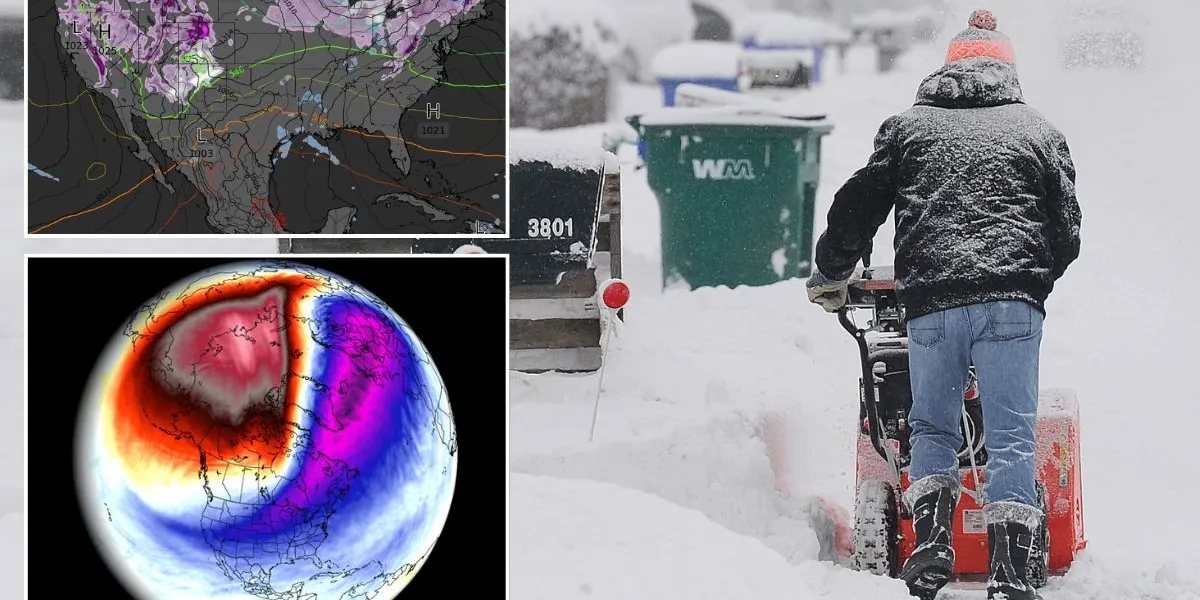
The National Weather Service (NWS) and various atmospheric research institutions have noted an unusual pattern in the polar vortex this year. As of October 2023, model predictions suggest that a significant weakening event may occur within the next few weeks. This could lead to temperature drops across regions such as the Midwest and Northeast, with potential snowfall increases. The forecast aligns with previous years where a polar vortex collapse triggered severe winter storms and record low temperatures.
Potential Impacts
If the polar vortex does collapse, regions across the northern United States may experience extreme cold snaps. The transition of polar air masses can lead to harsher winter conditions, with an increased likelihood of snow and ice storms. Meteorologists are urging communities to prepare for cold weather advisories, especially since changes in the jet stream due to these atmospheric events could create unpredictable weather patterns.
Conclusion
As we approach winter 2023, monitoring the polar vortex collapse forecast remains critical. Its implications for weather patterns can significantly impact daily life, transportation, agriculture, and energy demand. Residents in areas forecasted to be affected by potentially severe winter weather should stay informed through local weather channels and prepare accordingly. Understanding these forecasts not only helps in personal planning but also highlights the intricate connection between atmospheric conditions and broader climate changes.