Introduction to the Polar Vortex
The polar vortex is a large area of low pressure and cold air surrounding the Earth’s poles. It plays a critical role in our climate, particularly during the winter months. Understanding the polar vortex is essential not only for meteorologists but also for the general public as it significantly impacts weather patterns, temperatures, and even precipitation across much of the Northern Hemisphere.
What is the Polar Vortex?
The polar vortex is not a new phenomenon; it has existed for many years and is a consequence of the unique atmospheric conditions at the poles. Essentially, it consists of powerful winds that circulate around the polar regions, keeping the cold air contained. When the polar vortex remains strong, it keeps cold Arctic air confined, resulting in milder winter weather in mid-latitude regions.
The Recent Polar Vortex Events
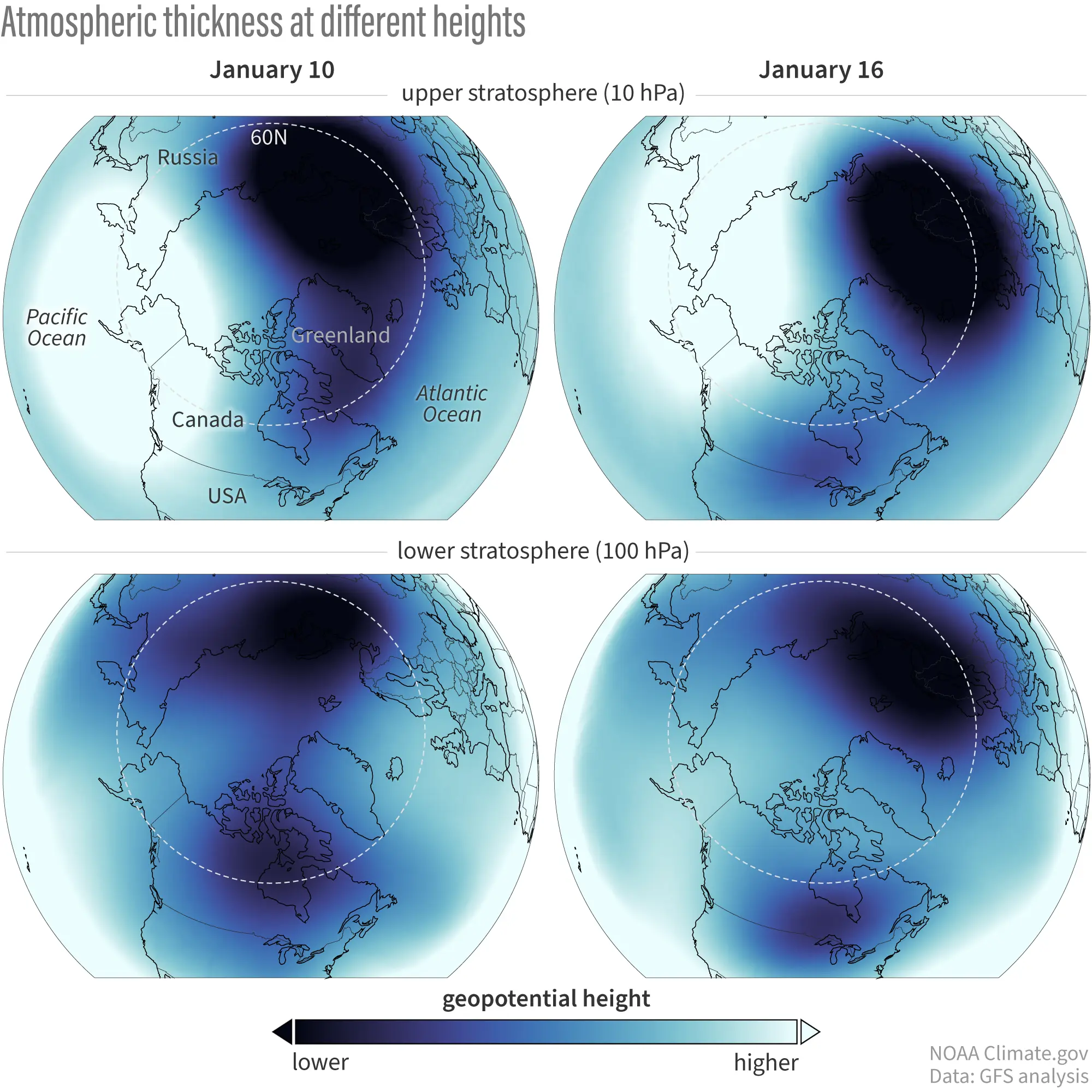
In recent weeks, the polar vortex has weakened significantly, leading to erratic weather patterns. In late January 2023, a split in the polar vortex allowed frigid Arctic air to plunge southward into the continental United States. Temperatures in regions such as the Midwest fell dramatically, with some areas experiencing wind chills of -30°F or lower. This weather disruption affected millions, leading to widespread advisories and increased demand for heating resources.
Effects on Climate and Weather
The fluctuations in the polar vortex have raised concerns among scientists regarding their connection to climate change. Research indicates that a warming Arctic may be influencing the polar vortex’s stability, causing more frequent disruptions and severe winter weather in various regions. These changes not only affect daily life but also have broader implications for agriculture, infrastructure, and public health.
Conclusion and Forecast
As we continue to monitor the polar vortex, its implications for the upcoming winter seasons remain uncertain. The effects of climate change will likely continue to evolve, presenting challenges for meteorologists and communities alike. Residents should stay informed about weather forecasts and prepare for possible extreme weather events that may arise due to the shifting polar vortex patterns. Understanding the dynamics of this polar phenomenon is crucial for anticipating and mitigating its impact.