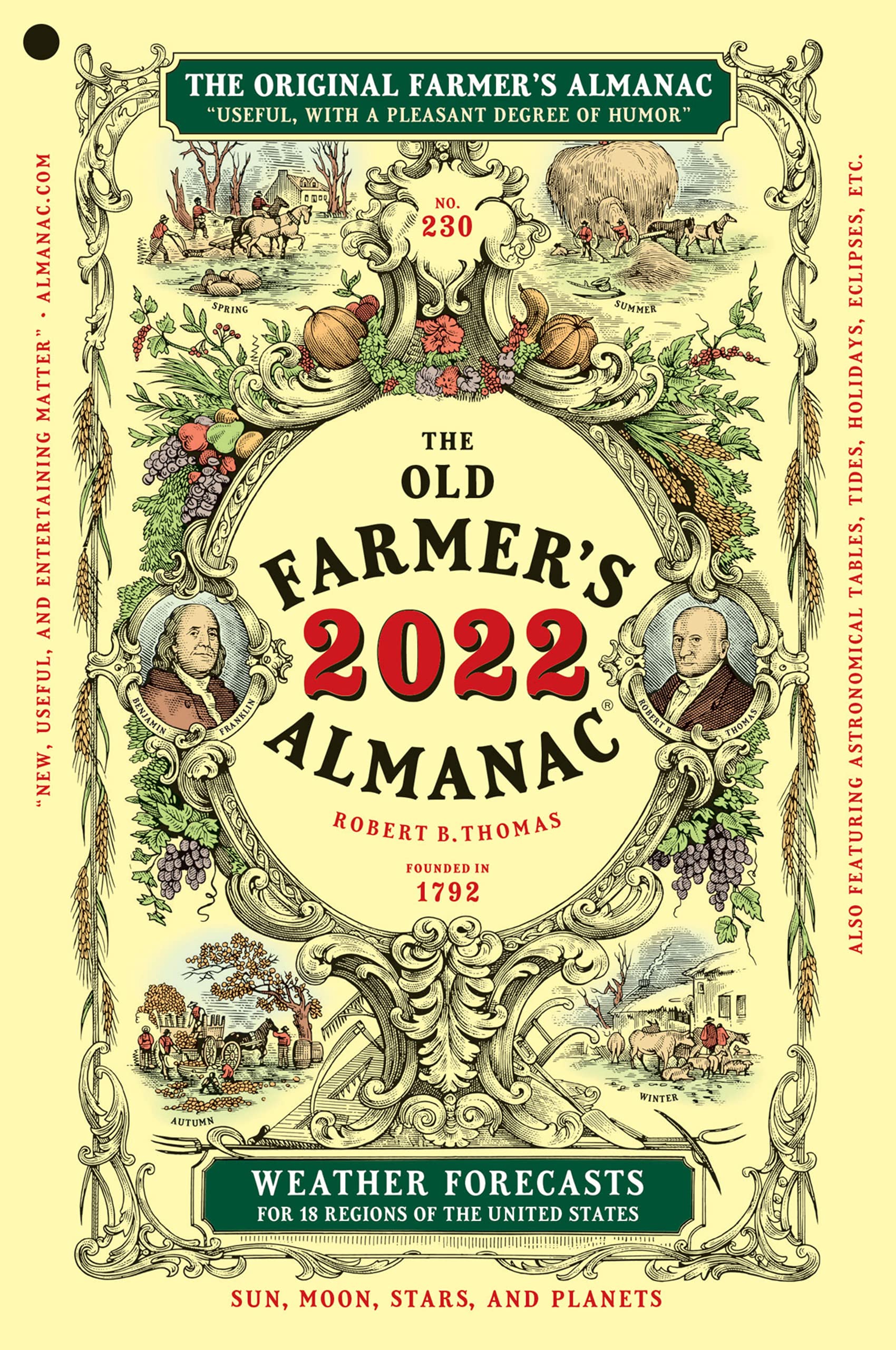
Introduction to the Old Farmer’s Almanac
The Old Farmer’s Almanac, established in 1792, is the oldest continuously published periodical in North America. Its importance extends beyond mere weather predictions; it reflects centuries of American agriculture, folklore, and astrological insights. With the rapidly changing climate, many individuals and farmers alike turn to this almanac for guidance on planting schedules and seasonal changes.
What’s Inside the Old Farmer’s Almanac?
Each annual edition of the Old Farmer’s Almanac includes a plethora of information ranging from long-range weather forecasts to gardening tips, recipes, and nature-inspired pieces. The publication is particularly famous for its weather predictions made up to two years in advance. The almanac uses a proprietary formula, taking into account solar cycles, planetary positions, and historical weather data.
2024 Predictions: A Glimpse Ahead
The 2024 edition, released in September 2023, has garnered attention as it predicts an unusually mild winter across the eastern United States with increased precipitation. Farmers are especially keen on these forecasts to plan ahead for planting their crops in a world where climate conditions can be unpredictable.
Significance of the Old Farmer’s Almanac Today
In today’s digital age, the Old Farmer’s Almanac holds a unique position as it blends practicality with tradition. While online forecasts provide users with real-time data, many people still appreciate the folkloric aspect and seasonal rhythms captured in the almanac. Its annual release is a rite of passage that signifies the changing of the seasons, and it continues to influence agricultural practices.
Looking to the Future
As the climate crisis continues to evolve, the ability to predict weather patterns will become increasingly essential. The Old Farmer’s Almanac not only offers historical context but also adapts its approach to changing conditions. Readers can expect more integrated methods and relevant content aimed at sustainability and resilience in agricultural practices in future editions.
Conclusion
The Old Farmer’s Almanac remains a cherished resource for many, underscoring the harmony between nature and human activity. While its roots lie in traditional methods, it continues to be relevant in modern contexts, helping guide farmers and everyday individuals in navigating seasonal changes and agricultural challenges. As we progress into the future, the blend of tradition and innovation within the pages of the almanac promises to remain vital for both personal and professional growth in agriculture.