Introduction
The concept of retirement age is a pivotal aspect of personal finance and social security systems worldwide. Recently, the discussion surrounding the new retirement age has gained traction, particularly in light of demographic changes, economic pressures, and shifts in workforce participation. As life expectancy rises and pensions face new funding challenges, understanding the implications of these changes is crucial for current and future retirees alike.
Current Trends and Changes
In the United States, the retirement age has been gradually increasing. Currently, individuals born in 1960 or later have a full retirement age of 67, up from 65 for those born in 1937 or earlier. Recent proposals suggest potential further increases based on life expectancy statistics and fiscal sustainability of Social Security and Medicare programs. The debate is not just limited to the U.S.; countries like France and Germany are also considering raising their respective retirement ages, reflecting a global trend in response to aging populations.
The Implications of a New Retirement Age
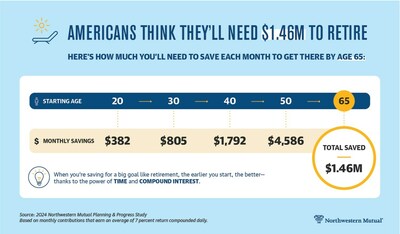
Raising the retirement age carries significant implications for workers and the economy. For many individuals, extending their working years may be financially necessary, as pension plans become less reliable and savings are often insufficient to support a longer retirement. From a fiscal perspective, increasing the retirement age may alleviate some pressure on social security benefits, allowing current systems to endure longer as fewer people retire at traditional ages.
However, these changes are not without their challenges. Many argue that raising the retirement age could disproportionately affect physically demanding jobs, where older workers may struggle to meet the demands of their roles. Additionally, the impact on mental health and well-being cannot be understated, as the prospect of working longer may deter some from enjoying their golden years fully.
Public Reaction and Future Considerations
The public response to the potential changes in retirement age has been mixed. Some individuals welcome the opportunity for longer employment, viewing it as a chance to boost savings and stay active. In contrast, others feel overwhelmed by the prospect of working longer and advocate for policy adjustments that provide more robust support for retirees.
Conclusion
As discussions around the new retirement age continue to evolve, it’s essential for workers to stay informed through reliable sources and advocate for policies that align with their needs. Financial planning should also adapt to these potential changes, with individuals encouraged to assess their savings plans and consider the type and duration of work they are willing to engage in as they approach retirement. Understanding these dynamics will be crucial for successfully navigating the transition into retirement in a changing socioeconomic landscape.