Introduction
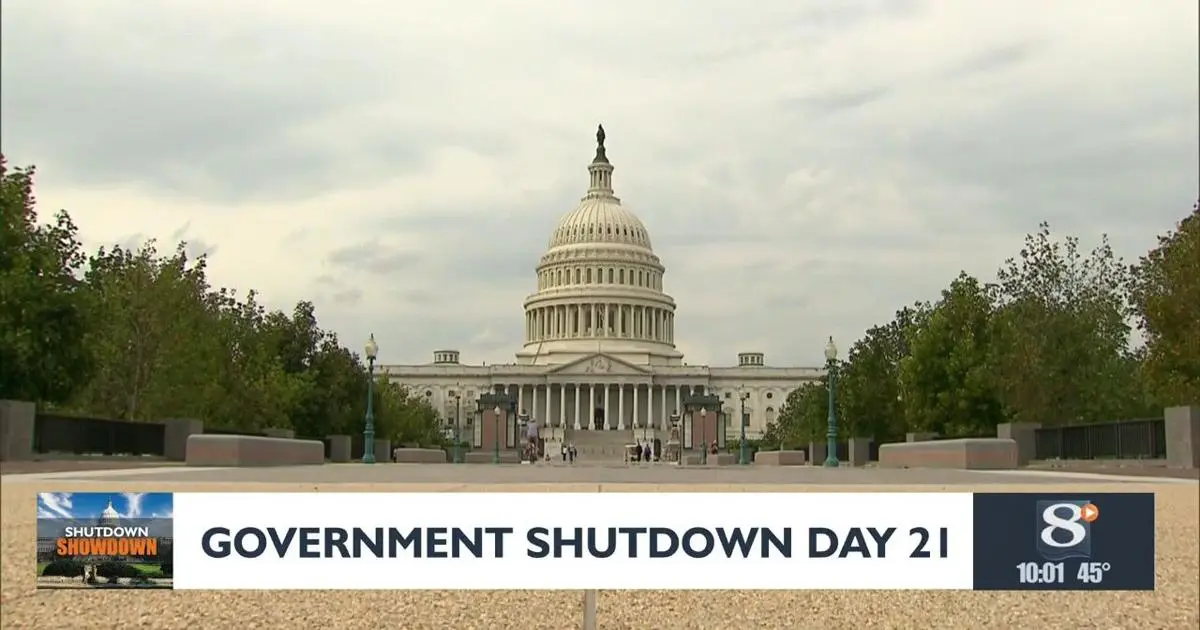
The concept of a national shutdown has become increasingly important as discussions around government funding and fiscal responsibility intensify. A shutdown occurs when the government cannot agree on a budget, leading to the halt of non-essential services. This topic is highly relevant with the potential implications felt by millions of Americans, as well as the economy at large.
Recent Events
As of October 2023, the United States faces a looming deadline for government funding, with partisan conflict stalling negotiations. The last government shutdown happened in December 2018 and lasted 35 days, affecting numerous federal operations and leaving hundreds of thousands of employees without pay. Currently, lawmakers are embroiled in debates over spending cuts, public services, and funding for various federal programs, which raises concerns about another imminent shutdown.
Impact of a National Shutdown
A nationwide shutdown could lead to significant repercussions. Essential services, such as the military, public safety, and healthcare services would continue to operate, but a large number of federal employees may be furloughed. Historical data shows that shutdowns generally lead to economic losses, affecting everything from government contracts to small businesses that rely on federal employees as customers. Additionally, national parks and monuments would close, negatively impacting tourism and local economies.
Public Opinion and Response
Public sentiment towards government shutdowns has been largely negative, with many Americans expressing frustration over political gridlock. Recent polls indicate that a significant portion of the American populace is concerned about the implications of a shutdown on social services and economic stability. Activists and various organizations have begun advocating for bipartisan solutions to prevent such crises.
Conclusion
The possibility of a national shutdown remains a pressing issue as discussions unfold in Congress. Experts suggest that long-term solutions focusing on compromise and fiscal accountability could mitigate future risks related to funding disputes. For citizens, staying informed about these developments is crucial, as the repercussions of a government shutdown can extend far beyond just federal employees — they can affect the day-to-day lives of millions across the country.