Introduction
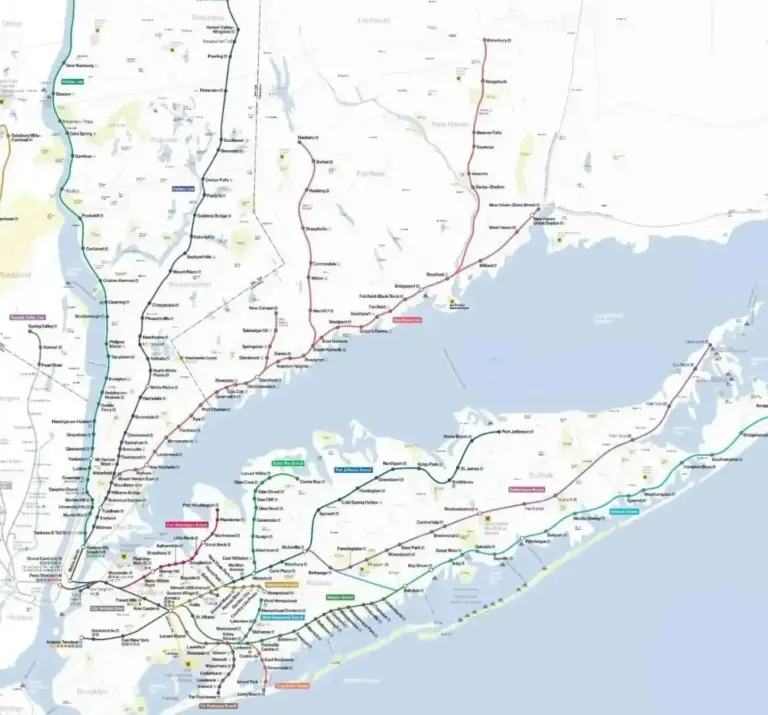
The Metropolitan Transportation Authority (MTA) is the largest public transportation network in the United States, serving approximately 12 million commuters daily across New York City and its suburbs. As a vital component of the city’s infrastructure, the MTA significantly influences urban mobility, economic growth, and environmental sustainability. In recent years, it has faced numerous challenges, including funding issues, service delays, and the impacts of the COVID-19 pandemic, making understanding its operations and future plans increasingly important for residents and commuters.
Current Operations and Services
The MTA operates subway, bus, and commuter rail services, with its subway system being one of the largest and oldest in the world. As of October 2023, the MTA’s subway ridership has reportedly rebounded to about 80% of pre-pandemic levels, a positive sign of recovery for the system. In response to growing ridership and to address congestion, the MTA has undertaken significant service expansions, including longer train frequencies and extended route hours. Additionally, the MTA is focusing on enhancing its bus services with initiatives like Select Bus Service, which aims to give priority to buses on congested routes.
Challenges Ahead
Despite improvements, the MTA continues to face substantial challenges. Funding remains a critical issue, especially with significant budget deficits projected for upcoming years. The MTA has taken steps to secure new revenue streams, including congestion pricing plans aimed at reducing traffic in Manhattan and generating funds for transit improvements. However, debates around these initiatives have arisen, with concerns over equity and potential impacts on lower-income commuters.
Moreover, safety and security issues have been highlighted as essential to restoring passenger confidence. The MTA is implementing measures to enhance the security of both the transit services and stations, which includes increasing the presence of police and outreach to vulnerable populations.
Future Directions
Looking forward, the MTA is investing in technology to improve operational efficiency and rider experience. This includes implementing modernized payment systems, real-time tracking for buses, and leveraging data analytics to optimize service delivery. Plans for infrastructure upgrades are also underway, focusing on modernizing aging equipment and facilities to meet current demands and increase reliability.
Conclusion
The MTA is a critical lifeline for millions of New Yorkers, with its operations and challenges directly impacting the city’s economy and quality of life. As the authority navigates post-pandemic recovery, addressing funding, safety, and service improvements will be vital for its sustainability. Readers will need to stay informed about the MTA’s developments, as these changes will not only shape public transport but also influence the broader urban landscape of New York City in the years to come.