Introduction
Hurricane Katrina, which struck the Gulf Coast in August 2005, remains one of the most devastating natural disasters in American history. The impact of this category 5 hurricane affected millions and reshaped coastal policies, emergency responses, and urban planning across the nation. As the anniversary of Katrina approaches, it is crucial to reflect on its consequences and the progress made in recovery and resilience.
Hurricane Katrina’s Impact
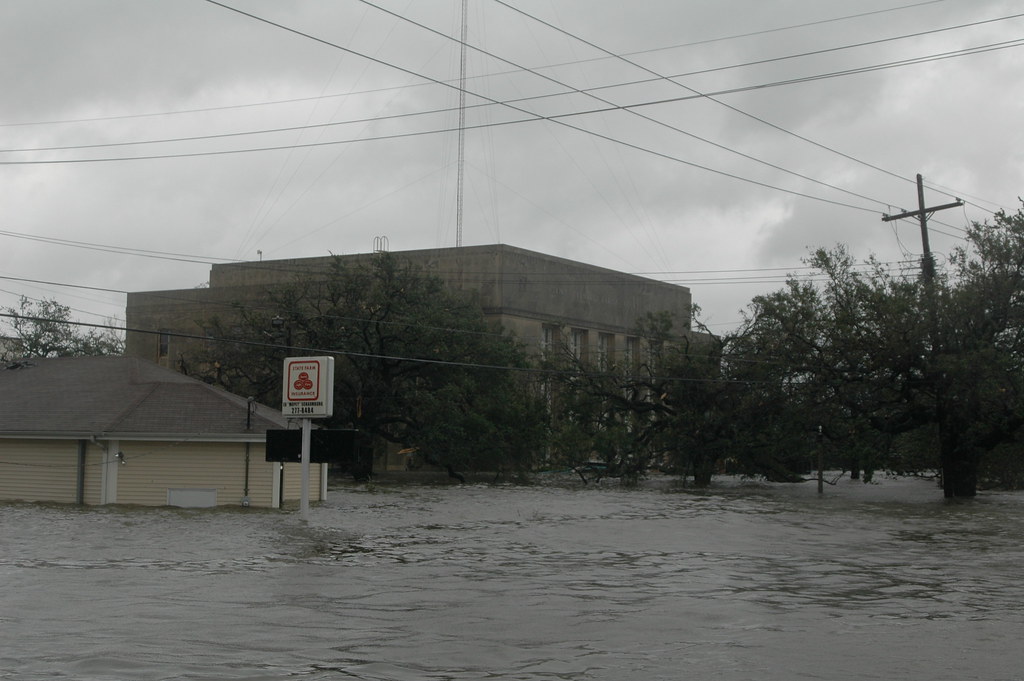
On August 29, 2005, Hurricane Katrina made landfall in Louisiana, leading to catastrophic flooding, especially in New Orleans, where levees failed, causing over 80% of the city to be submerged. The storm resulted in approximately 1,800 deaths and displaced over a million residents, marking one of the largest mass displacements in U.S. history. The total damage was estimated at $161 billion, making it one of the costliest hurricanes ever recorded.
The disaster sparked significant criticism of the federal, state, and local governments due to inadequate preparation and response. This prompted sweeping changes in emergency management policies, including the establishment of the National Response Framework and more stringent building codes to improve resilience against future storms.
Recovery Efforts
In the years following Katrina, recovery efforts have varied significantly across communities impacted by the storm. New Orleans has undergone a remarkable transformation, with investments in housing, infrastructure, and community services totalling billions of dollars. However, challenges remain, especially for lower-income communities and those still grappling with housing insecurity and access to health care. The ongoing recovery process highlights systemic issues such as poverty and racial inequality amplified by the disaster.
Local organizations and national initiatives continue to work tirelessly to support vulnerable populations affected by Katrina. Programs aimed at economic development, affordable housing restoration, and mental health services are crucial components of the long-term recovery strategy.
Conclusion
As we continue to observe the impact of Hurricane Katrina, it serves as a reminder of both the vulnerability of communities to natural disasters and the importance of resilience and proactive measures. The lessons learned from Katrina are essential in preparing for future hurricanes and other disasters. For residents and policymakers alike, understanding the urgency of climate change, infrastructure resilience, and social equity remains pivotal. The legacy of Hurricane Katrina is not only a tale of tragedy and loss, but also one of hope and recovery, underscoring our capacity to rebuild and thrive in the face of adversity.