Importance of Tracking Inflation
Inflation has become a key economic indicator in today’s financial landscape, impacting everything from consumer purchasing power to investment strategies. As economies globally strive to recover from the challenges posed by the pandemic, understanding the latest trends in inflation is crucial for both individuals and businesses. High inflation rates can affect interest rates, cost of living, and even government policy decisions.
Current Inflation Rates
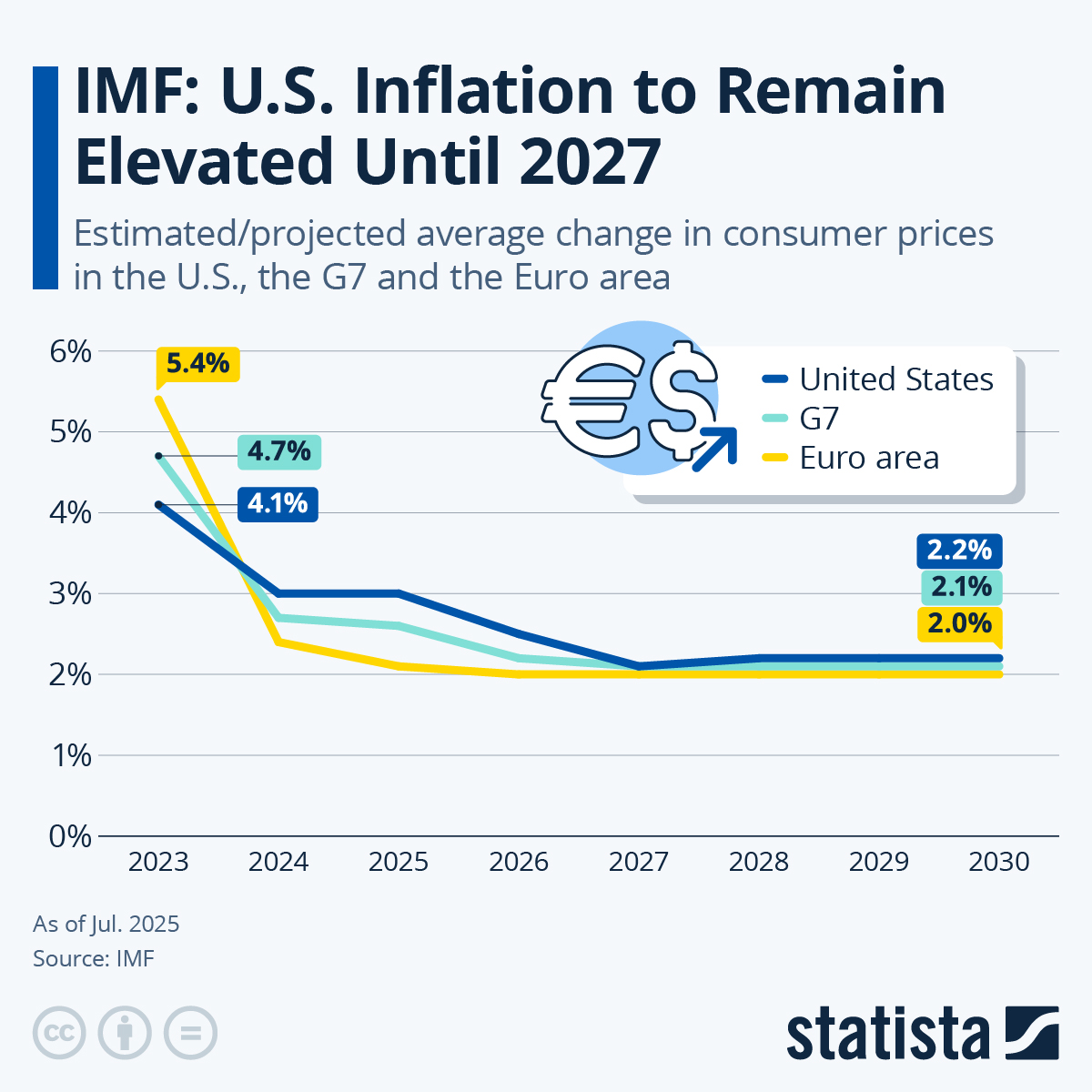
As of October 2023, the U.S. inflation rate stands at approximately 3.7%, according to the Bureau of Labor Statistics. This figure reflects a slight decrease from earlier this year, where inflation peaked at around 4.5%. The Federal Reserve has targeted a long-term inflation rate of around 2%, indicating that the current rates are still above acceptable levels, prompting ongoing scrutiny and potential adjustments in monetary policy.
Fuel and Food Prices
One of the major contributors to the current inflation rate has been the significant fluctuation in fuel and food prices. The global supply chain disruptions and geopolitical tensions, particularly due to the conflict in Eastern Europe, have exacerbated these price increases. For instance, oil prices have seen volatility due to production cutbacks by major oil-producing nations, leading to painful hikes at the gas pump for consumers.
Wage Growth and Consumer Spending
In addition to rising prices, wage growth has not kept pace with inflation. Although wages rose by 4% in the last year, the increased cost of goods and services means that real purchasing power has diminished for many households. Consumer spending has shown signs of slowing down as individuals become more budget-conscious, impacting retail sales and economic growth.
Conclusion and Future Outlook
The current trends in inflation present both challenges and opportunities. As inflation continues to affect various sectors of the economy, businesses may need to adjust pricing strategies while consumers should remain vigilant about their spending habits. Economists predict that inflation rates may stabilize in 2024 as supply chains recover and demand normalizes, but this will largely depend on geopolitical developments and Federal Reserve actions. Staying informed about inflation trends is essential for making sound financial decisions in the coming months.