Introduction
The Kyle Rittenhouse case has become a significant touchpoint in American society and law, sparking widespread debate about self-defense, gun rights, and the justice system. It gained national attention following the events in Kenosha, Wisconsin in August 2020, where Rittenhouse shot three individuals during protests against police brutality. The case has since evolved through various judicial proceedings, highlighting the complexities surrounding self-defense laws in the U.S.
Key Facts About the Incident
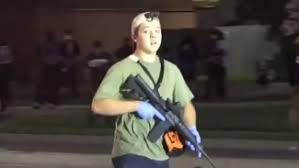
On the night of August 25, 2020, Rittenhouse, then a 17-year-old from Illinois, armed himself with an AR-15 style rifle and traveled to Kenosha amid protests over the shooting of Jacob Blake. The night resulted in the deaths of two men, Joseph Rosenbaum and Anthony Huber, while another individual, Gaige Grosskreutz, sustained injuries. Rittenhouse claimed he acted in self-defense, sparking a national discourse on personal protection rights versus public safety concerns.
The Trial and Verdict
After several weeks of testimony and evidence presentation, the jury found Rittenhouse not guilty on all counts on November 19, 2021, leading to varied reactions across the country. Supporters viewed the verdict as a triumph for self-defense rights, while critics expressed concerns over systemic issues related to gun violence and racial justice. This case showcased the polarized viewpoints within American society regarding the Second Amendment and the legal interpretations of self-defense.
Recent Developments and Implications
Since his acquittal, Rittenhouse has maintained a social media presence and has engaged in various interviews, reiterating his stance on self-defense. He has also expressed aspirations to become involved in public discussions around gun rights. Legal analysts suggest that the Rittenhouse case may set precedents for future trials involving similar incidents and self-defense claims. Additionally, it has reignited conversations on gun control legislation, especially concerning minors possessing firearms.
Conclusion
The Kyle Rittenhouse case remains significant as it reflects the ongoing debates in America concerning gun rights, self-defense arguments, and the implications these discussions have on broader societal issues. As the legal landscape continues to evolve, the consequences of this case may influence future judicial outcomes and public policy related to firearms and self-protection. For readers, understanding these developments is crucial, as they shape the national narrative on personal rights and societal safety.