Introduction
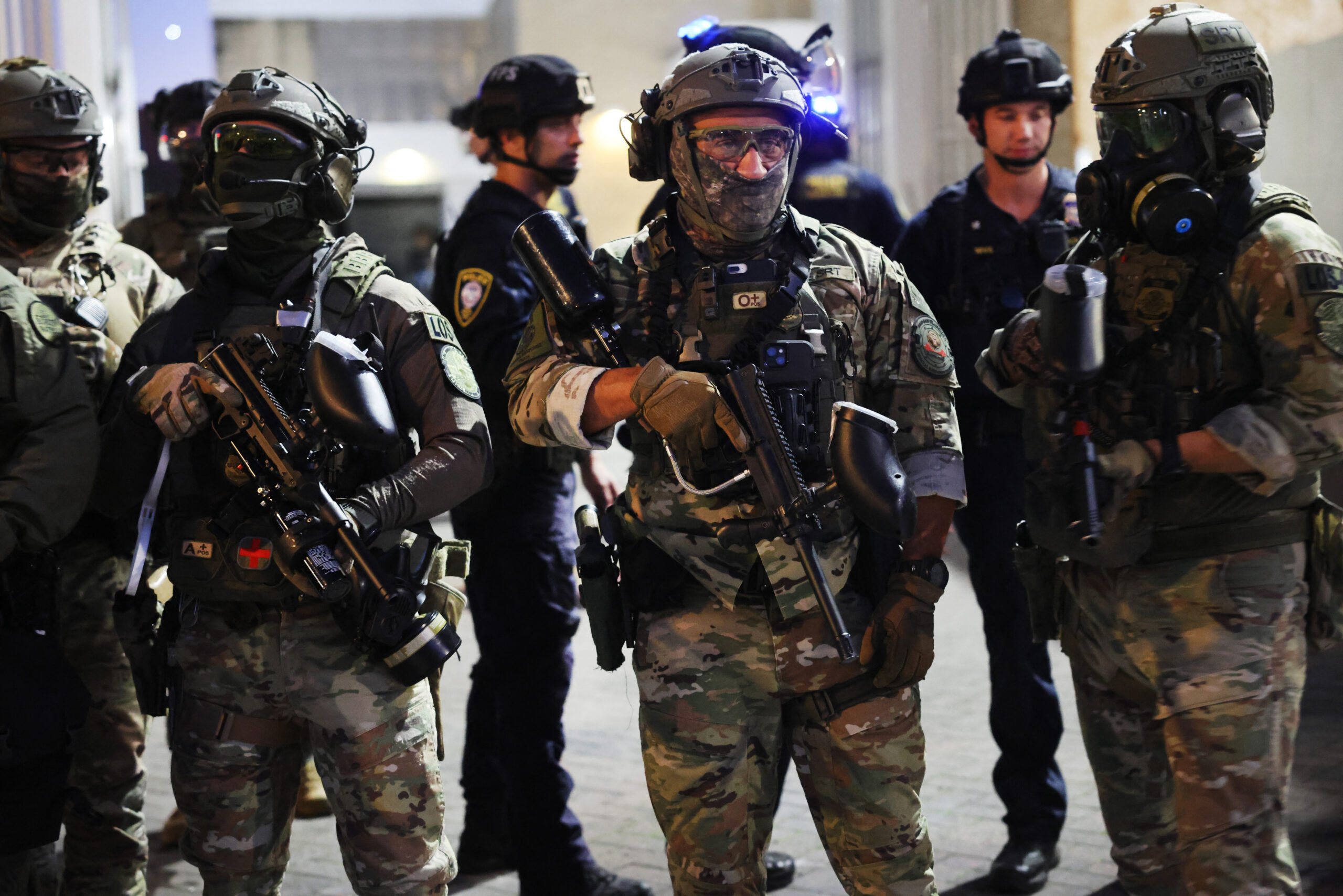
The Insurrection Act is a unique piece of legislation that allows the president of the United States to deploy military forces to suppress civil disorder, insurrection, or rebellion. Given the political climate and recent events in the US, understanding this act’s relevance has become increasingly critical. The act, rooted in U.S. history, underscores the balance between maintaining order and protecting civil liberties.
Historical Context
The Insurrection Act was first enacted in 1807, driven by the need to provide the president with the authority to respond to crises that local or state governments could not manage. It was invoked during significant events, such as the Civil War, the Reconstruction era, and during the civil rights movement, notably when federal troops were sent to enforce desegregation.
Legal Framework and Provisions
The act essentially suspends certain laws related to military deployment during domestic disturbances and provides the president the authority to call upon federal troops. It is important to note that the Insurrection Act is distinct from the Posse Comitatus Act, which limits the use of military force in domestic policing. However, the Insurrection Act provides an exception under specific conditions, like in cases of insurrection or Rebellion.
Recent Developments
In recent years, particularly during the protests surrounding the Black Lives Matter movement of 2020, discussions around the Insurrection Act resurfaced. Former President Donald Trump hinted at invoking the act to address unrest, raising debates regarding the intersection of civil rights and presidential powers. This has prompted lawmakers and civil rights advocates to reassess its implications in modern governance.
The Significance of Understanding the Insurrection Act
Understanding the Insurrection Act is crucial for interpreting how the U.S. government may react during times of civil unrest. The conversation around this act challenges citizens to consider the balance between national security and individual freedoms. As unrest continues to emerge globally, the potential invocation of this act could lead to significant implications for the relationship between government authority and civil liberties.
Conclusion
The Insurrection Act remains a vital component of U.S. law, embodying the ongoing tension between maintaining public order and upholding democratic freedoms. As we navigate an era of heightened civil unrest, the act’s relevance could potentially reshape the landscape of governmental authority and citizens’ rights. Understanding its intent and implications is essential for informed citizenship and civic engagement in the face of current and future challenges.