Introduction
The Insurrection Act of 1807 is a crucial legal framework that allows the President of the United States to deploy military forces within the country to suppress civil disorder, insurrection, or rebellion. As instances of civil unrest and political upheaval have surged recently, the relevance of the Insurrection Act has come into sharper focus. Understanding its provisions and historical context is essential for citizens and lawmakers alike, especially in light of debates surrounding state versus federal authority in crisis situations.
Historical Context
Originally enacted in response to issues like the Burr conspiracy, the Insurrection Act has been invoked in various crises throughout U.S. history. Notable instances include President Eisenhower’s deployment of federal troops to Little Rock, Arkansas, in 1957 to enforce school desegregation, and the use of military intervention during the Rodney King riots in 1992. Each invocation of the Insurrection Act has raised essential questions about civil liberties, state sovereignty, and federal power.
Recent Developments
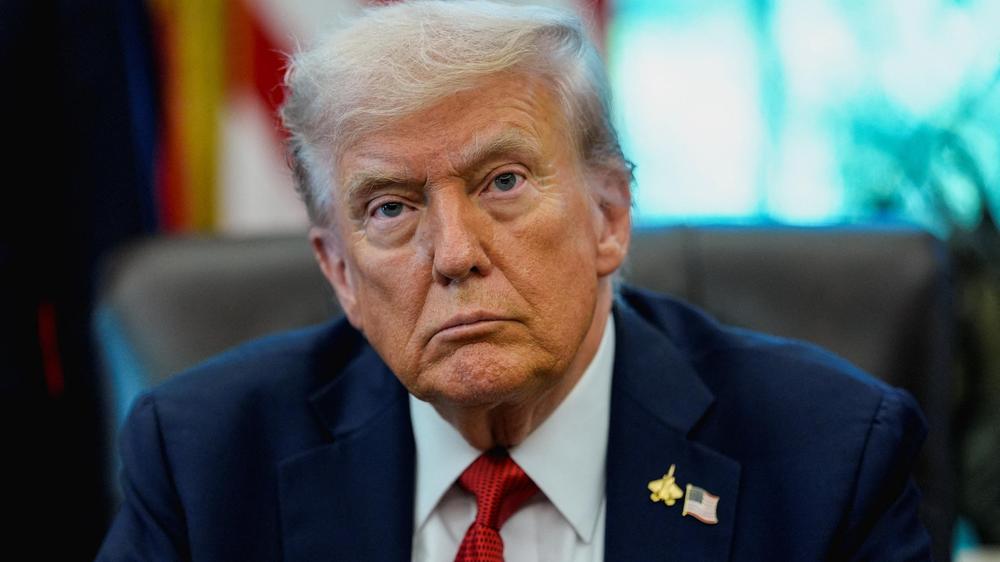
The Insurrection Act received renewed attention during the civil rights protests following the death of George Floyd in May 2020. In discussions concerning the federal response to unrest, former President Donald Trump suggested he might call upon the Insurrection Act to manage the protests in several cities. This comment ignited debates about the appropriateness of such actions, the balance of power, and the repercussions of federal military presence in civilian areas. Legal scholars and civil rights advocates expressed concern that invoking the act could undermine the fundamental rights of citizens, leading to excessive governmental force.
Current Relevance
Today, the Insurrection Act remains a significant point of interest, as many are increasingly aware of the potential for its misuse. Recent analysis has indicated that the law should be revisited and possibly redefined to reflect contemporary societal values while maintaining public order. In addition, ongoing discussions about the separation of powers and protections against government overreach have underscored the vital need for clear protocols regarding the deployment of military forces domestically.
Conclusion
The significance of the Insurrection Act lies not only in its ability to ensure order during times of strife but also in its implications for civil liberties and the proper role of government. As society progresses and faces new challenges, it is crucial for policymakers and citizens to engage in informed conversations about the appropriateness of invoking such measures. Understanding the Insurrection Act is essential for fostering a balanced dialogue about civil rights, governmental authority, and the preservation of democracy in tumultuous times.