The Role of Naval Bases
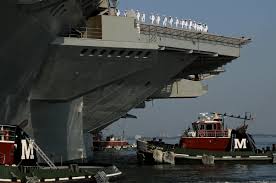
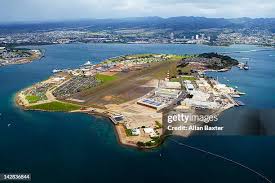
Naval bases are critical military installations that serve as hubs for naval forces, providing logistical support, training, and a platform for maritime operations. Their strategic location enables nations to project power, respond to crises, and ensure maritime security.
Recent Developments in U.S. Naval Bases
In recent months, U.S. naval bases have been at the forefront of military readiness amid rising geopolitical tensions. For instance, the U.S. Navy has increased operations from its forward-deployed bases in the Indo-Pacific, particularly in response to China’s assertive actions in the South China Sea. This strategic pivot underscores the importance of maintaining a robust naval presence in the region.
Investments and Upgrades
The U.S. Department of Defense has announced plans to invest billions in upgrading naval bases across the country to enhance operational capabilities. Upgrades are being made to infrastructure, logistics, and technology, with projects focusing on sustainability and resilience against climate change. Notable projects include modernization at Norfolk Naval Base in Virginia and Guam Naval Base in the Pacific.
International Cooperation
Naval bases are also instrumental in fostering international cooperation among allied nations. Joint exercises and training missions are often conducted at these bases, reinforcing alliances and ensuring readiness for joint operations. Recent exercises involving U.S. and allied naval forces have taken place at bases in Japan and ports in Europe, highlighting the importance of collaborative security efforts.
Conclusion
The significance of naval bases cannot be overstated in today’s complex security environment. As the U.S. and its allies navigate increasing threats and a more competitive global landscape, the strategic value of these installations will continue to grow. Looking ahead, investments in naval bases will be crucial in maintaining a strong defense posture and ensuring the security of maritime interests worldwide.