Introduction to Freeze Warnings
Freeze warnings serve as crucial alerts for residents in many regions, especially as winter approaches. These warnings are issued by the National Weather Service (NWS) when the temperature is expected to drop to 32°F (0°C) or below, which can lead to frost formation. As the weather becomes colder, understanding these alerts is vital for agricultural planning, residential preparations, and community safety.
Current Freeze Warnings Across the Nation
As of late October 2023, numerous states, including parts of the Midwest and Northeast, are experiencing freeze warnings. According to the NWS, states such as Wisconsin, Michigan, and parts of New York are on alert, with night-time temperatures dropping significantly. These conditions can endanger outdoor plants and crops, prompting farmers to take action to protect their harvests.
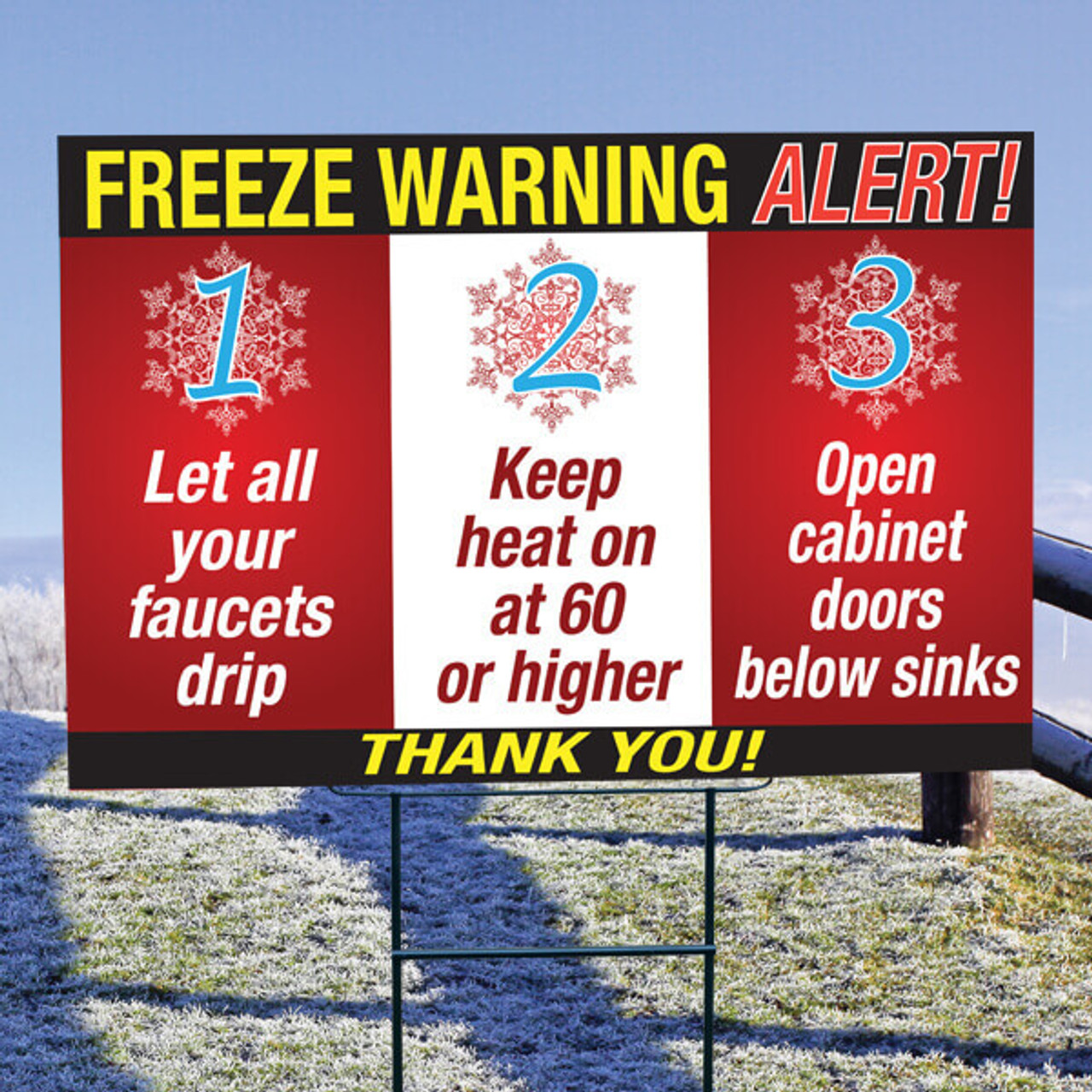
The NWS is advising residents to cover sensitive plants or bring them indoors to avoid frost damage. In addition, homeowners are encouraged to check their outdoor plumbing systems and insulate pipes to prevent freezing, which can lead to costly repairs.
Impacts of Freeze Warnings
The implications of freeze warnings extend beyond just cold weather. For farmers, frozen crops can mean significant financial losses. Reports indicate that agricultural sectors in affected areas may face diminished yields due to frost damage, impacting local economies and food supply chains.
Moreover, community services are adapting to the forecasted cold. Local shelters and warming centers are preparing to accommodate individuals at risk of hypothermia, especially among vulnerable populations. This response highlights the importance of cooperation between various community agencies to ensure public safety during freeze events.
Conclusion: Preparing for Freeze Conditions
As winter approaches, freeze warnings serve as a critical reminder for residents to prepare for colder temperatures and potential frost. Individuals should stay informed through local weather channels and heed alerts issued by weather services. The significance of these warnings goes beyond personal comfort; they can have widespread effects on agriculture, economy, and public safety. By staying informed and taking preventive measures, communities can mitigate the risks associated with freezing temperatures and ensure a safer winter season.