Introduction
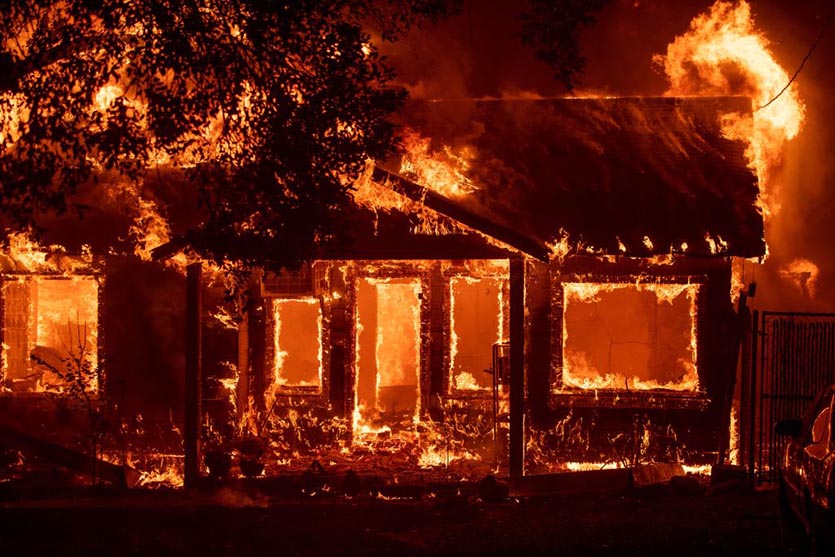
The Paradise Fire, which occurred in November 2018, remains one of the deadliest wildfires in California’s history. With its catastrophic impact, the fire destroyed the town of Paradise and claimed 86 lives, leaving a lasting mark on the community and the nation’s approach to wildfire management. As wildfires are becoming increasingly common due to climate change and environmental factors, understanding the lessons learned from the Paradise Fire is crucial for future prevention and response strategies.
Overview of the Paradise Fire
The fire ignited on November 8, 2018, and rapidly spread due to extreme weather conditions, including strong winds and low humidity. Over the span of a few days, the fire consumed 153,336 acres of land, obliterating over 18,000 structures, including homes, schools, and businesses. The disaster not only caused immense financial damage, estimated at over $16.5 billion, but also profoundly affected the lives of thousands of residents who lost their homes and loved ones. Emergency services faced unprecedented challenges as they battled the flames and coordinated evacuations.
Key Takeaways and Threats
The Paradise Fire underscored various critical issues related to wildfire preparedness and response. One major takeaway is the importance of early warning systems and community education on evacuation protocols. During the Paradise Fire, many residents were caught off-guard, highlighting the need for more effective communication from local and state authorities.
Additionally, the fire revealed weaknesses in forest management and land use policies that contributed to the intensity and scale of the blaze. Increased efforts in controlled burns and clearing brush from vulnerable areas are now being advocated as essential strategies to mitigate future wildfire risks.
Looking Forward
In the aftermath of the Paradise Fire, many communities in California and across the nation are reassessing their approaches to wildfire management. State leaders are focusing on increasing funding for fire prevention programs and improving the resilience of infrastructure to withstand wildfires.
Moreover, the federal government is now more engaged in discussions about climate change and its role in exacerbating wildfire conditions. Experts predict that with ongoing climate fluctuations, wildfires like the Paradise Fire may become increasingly frequent. Therefore, the continued emphasis on preventive measures, urban planning, and community resilience will play a crucial role in safeguarding against future fires.
Conclusion
The Paradise Fire serves as a stark reminder of the devastation that wildfires can inflict on communities. By learning from this tragedy and implementing effective wildfire management strategies, we can enhance our preparedness and reduce the risks associated with these disasters. Moving forward, communities must remain vigilant and proactive in adapting to the evolving threat of wildfires.