Introduction
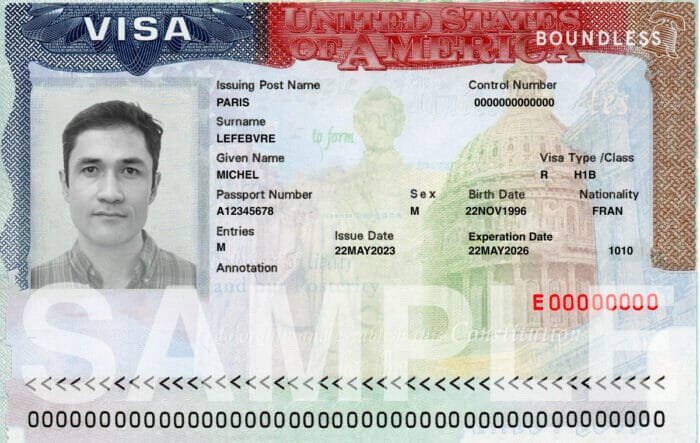
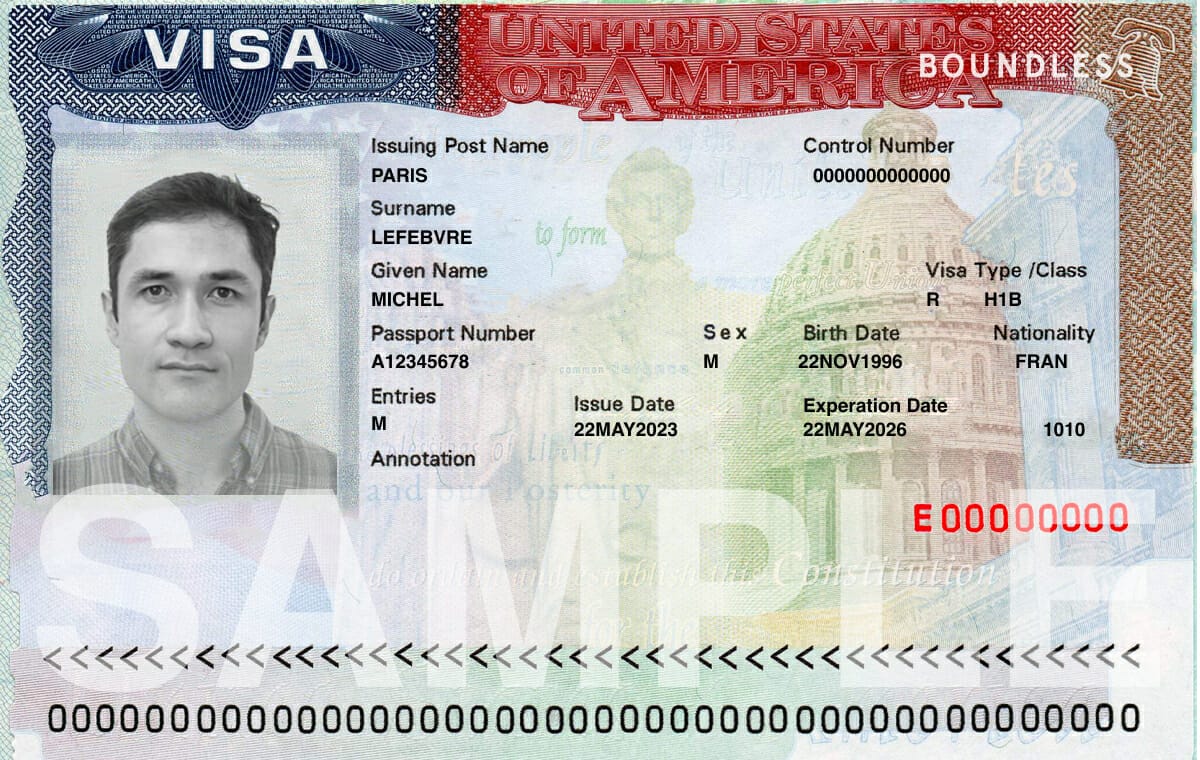
The H1B visa is a non-immigrant work visa that allows U.S. companies to employ foreign workers in specialty occupations. It plays a critical role in filling skill gaps within American industries, particularly in technology, healthcare, and engineering. The importance of the H1B visa is underscored by the increasing demand for skilled labor in the U.S., making it a hot topic among both employers and prospective employees.
Current Landscape of the H1B Visa Program
As of 2023, the U.S. Citizenship and Immigration Services (USCIS) has made several notable changes to the H1B visa program. The 2023 application season saw an increase in the number of petitions submitted, reflecting a growing interest from employers seeking global talent. According to USCIS statistics, over 300,000 petitions were filed in the latest cycle, with just under 85,000 slots available for approval.
The selection process continues to be a point of contention, with many applicants frustrated by the random lottery system used to allocate visas. This year, maintaining transparency in the selection process has become a priority for USCIS. Improved communication and new technological systems aim to enhance the overall experience for applicants and employers alike.
Challenges Faced by H1B Visa Holders
Despite its importance, the H1B visa system is not without challenges. Visa holders often face precarious job situations, as their status is tied to their employer’s sponsorship. Recent economic shifts have raised concerns over job security, leading to increased anxiety among existing H1B workers. Reports have shown that layoffs disproportionately affect this group, leading to significant repercussions, including the potential for unemployment and subsequent visa status complications.
The Future of the H1B Visa Program
Looking ahead, there is speculation regarding reforms in the H1B visa program. Some lawmakers have proposed streamlining the process to make it more accessible and fairer for applicants. Additionally, the ongoing debate over immigration policy in the U.S. suggests that we may see further adjustments in the quotas and eligibility criteria for H1B visas in the coming years. The demand for skilled workers is unlikely to diminish, thus ensuring that the H1B visa remains central to America’s workforce strategy.
Conclusion
The H1B visa is a vital component of the U.S. labor market, facilitating the entry of skilled workers to fill critical positions across various industries. As legislative discussions continue and the demand for global talent persists, both employers and prospective visa holders must stay informed about changes and developments within the H1B system. The evolving landscape presents both challenges and opportunities, making it essential for stakeholders to engage in meaningful dialogue to shape the future of this important work visa.