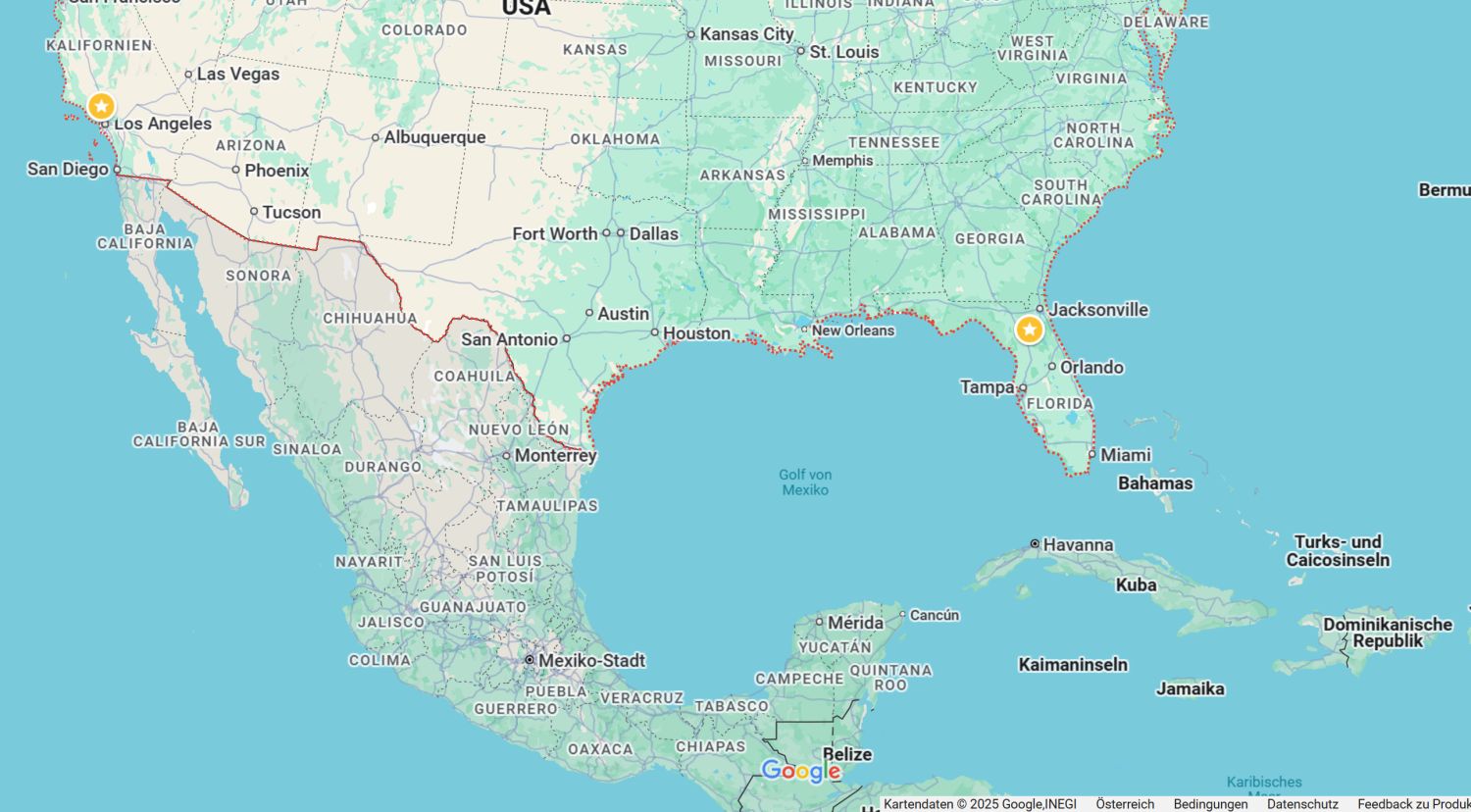
Introduction to the Gulf of America
The Gulf of America, often referred to as the Gulf of Mexico, plays a crucial role in the ecological and economic landscape of North America. This body of water not only serves as a habitat for diverse marine life but also supports the livelihoods of millions through fishing, tourism, and shipping industries. As conversations around climate change and environmental conservation intensify, understanding the dynamics of the Gulf of America becomes increasingly important for policymakers, businesses, and residents alike.
Geographical and Ecological Significance
The Gulf of America is bordered by the United States, Mexico, and Cuba, covering an area of approximately 600,000 square miles. It is home to a rich biodiversity, with over 15,000 species of marine life, including fish, sea turtles, dolphins, and coral reefs. These ecosystems are vital for maintaining the water quality and overall health of the Gulf.
However, the Gulf faces several threats, including pollution, overfishing, and the effects of climate change. Recent reports indicate alarming levels of oxygen depletion in certain regions, known as ‘dead zones’, which have detrimental effects on marine populations. In response, various environmental organizations and government agencies are advocating for conservation measures to protect these vital habitats.
Economic Impact and Challenges
Economically, the Gulf of America is significant for the U.S. and Mexican economies. It supports a major fishing industry, contributes to oil and gas extraction, and is a pivotal shipping route for global trade. In 2022 alone, the fishing industry in the Gulf contributed over $2 billion to the economy and provided tens of thousands of jobs.
However, the region is not without its challenges. The devastating effects of hurricanes, such as Hurricane Katrina in 2005 and more recent storms, have raised concerns about the resilience of coastal communities. Additionally, the 2010 BP oil spill still reverberates in discussions about environmental policies and corporate responsibility.
Conclusion: The Future of the Gulf of America
As we look to the future, the Gulf of America will remain a focal point in discussions of climate action and economic sustainability. The need for comprehensive environmental policies, sustainable fishing practices, and disaster preparedness is more pressing than ever. Advocates for the Gulf emphasize that preserving this unique marine ecosystem is not just about conserving biodiversity; it’s imperative for ensuring the well-being of millions who depend on its resources. Through cooperative efforts among governments, businesses, and communities, the Gulf of America can continue to thrive for generations to come.