Introduction
The potential for a government shutdown has become a recurring issue in American politics, with significant implications for federal services and the daily lives of millions. A shutdown occurs when Congress fails to pass appropriations legislation necessary to fund government operations, leading to the closure of non-essential services and delaying critical functions. Understanding the latest government shutdown developments is crucial for citizens as it directly affects various aspects of public life, from employment to healthcare.
Current Situation
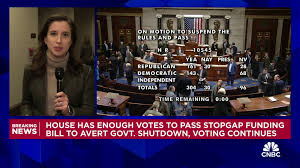
As of late October 2023, the United States is facing the possibility of a government shutdown due to ongoing disputes in Congress over budget allocations. Lawmakers are currently debating a stopgap measure to keep the government funded, but partisan divisions are stalling progress. The House of Representatives and the Senate remain at an impasse, with differences in spending priorities exacerbated by urgent demands for funding across several sectors, including defense and social services.
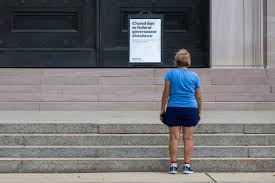
According to the Office of Management and Budget (OMB), a shutdown could affect over 800,000 federal employees who may be furloughed or required to work without pay, a scenario that has historically triggered economic instability, especially for families reliant on government jobs. Additionally, national parks, museums, and certain public services would close their doors, which could impact tourism and public accessibility.
Potential Impacts
The implications of a government shutdown extend beyond a temporary halt of services. Citizens could see delays in essential services such as the processing of tax returns, issuance of federal loans, and funding for food assistance programs. Other departments, such as the Department of Agriculture, could face interruptions that might affect food safety inspections and agricultural support programs. Local economies may also suffer, as a slowdown in consumer spending often accompanies furloughs of federal workers.
Conclusion
As the situation develops, it is essential for Americans to stay informed about the status of government funding negotiations. With each potential shutdown, the risks increase, affecting not only federal employees but also citizens dependent on various government services. Analysts predict that without a bipartisan agreement, the impact of a government shutdown could reverberate far beyond just federal offices, influencing personal finances and the national economy. Citizens can prepare by staying engaged with local news and understanding their rights and resources in case of a shutdown.