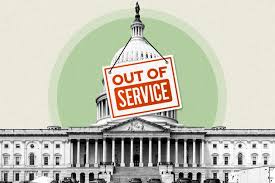
The Importance of the Federal Government Shutdown
The potential for a federal government shutdown has become a significant concern in the United States, particularly as congressional debates intensify over budget allocations and funding resolutions. Such shutdowns can have far-reaching effects on various sectors, including public services, the economy, and the daily lives of American citizens. This article aims to shed light on what a government shutdown means, its consequences, and the ongoing negotiations to prevent one.
What is a Federal Government Shutdown?
A federal government shutdown occurs when Congress fails to pass sufficient legislation to fund government operations and agencies. When this happens, non-essential federal services cease operations, and many government workers are furloughed, leading to an immediate disruption of services.
Recent Events Leading to Shutdown Concerns
As of October 2023, the United States Congress is grappling with crucial budget talks. The deadline to reach an agreement is fast approaching, with significant divisions within the political parties regarding fiscal priorities. Republican lawmakers advocate for reduced government spending, while their Democratic counterparts focus on maintaining current funding levels to support various programs, including health care, education, and infrastructure projects.
Compounding the situation is the looming national debt ceiling debate. Should negotiations stall, not only will government operations be affected, but critical programs such as Social Security, Medicare, and military payments could also be postponed, impacting millions of citizens reliant on these services.
The Implications of a Government Shutdown
The ramifications of a federal government shutdown extend beyond the immediate halt in services. A prolonged shutdown could potentially slow down economic growth, as consumer confidence wanes due to uncertainty and government employees struggling with financial insecurity. Federal contractors and businesses that rely on government contracts may face disruptions, leading to economic domino effects that could reach local communities.
Current Solutions and Future Outlook
Negotiations to avert a government shutdown are underway, with bipartisan talks aimed at reconciling differing views on spending and priorities. Key proposals include temporary funding measures to keep essential services operational while budget discussions continue. Some lawmakers have suggested a continuing resolution, which would provide funding at current levels for a set period.
Experts suggest that the potential for a government shutdown may prompt lawmakers to seek more collaborative solutions to budgeting that bypass partisan divides. The stakes are high, as many citizens are watching closely, understanding that the implications could impact their livelihoods and the broader economy.
Conclusion
As the deadline for budget negotiations approaches, the possibility of a federal government shutdown remains a pressing issue. The outcomes of these discussions could have lasting impacts on public services, the economy, and the day-to-day lives of Americans. Continued engagement from constituents and transparency in negotiations will be crucial in finding a resolution that meets the diverse needs of the nation.