The Importance of Addressing Climate Change
As the world grapples with the escalating climate crisis, understanding the effects of climate change has never been more crucial. From rising sea levels to extreme weather events, the implications are profound and touch every corner of the globe. Knowledge about these effects not only raises awareness but drives action towards mitigation and adaptation strategies.
Recent Evidence of Climate Change Effects
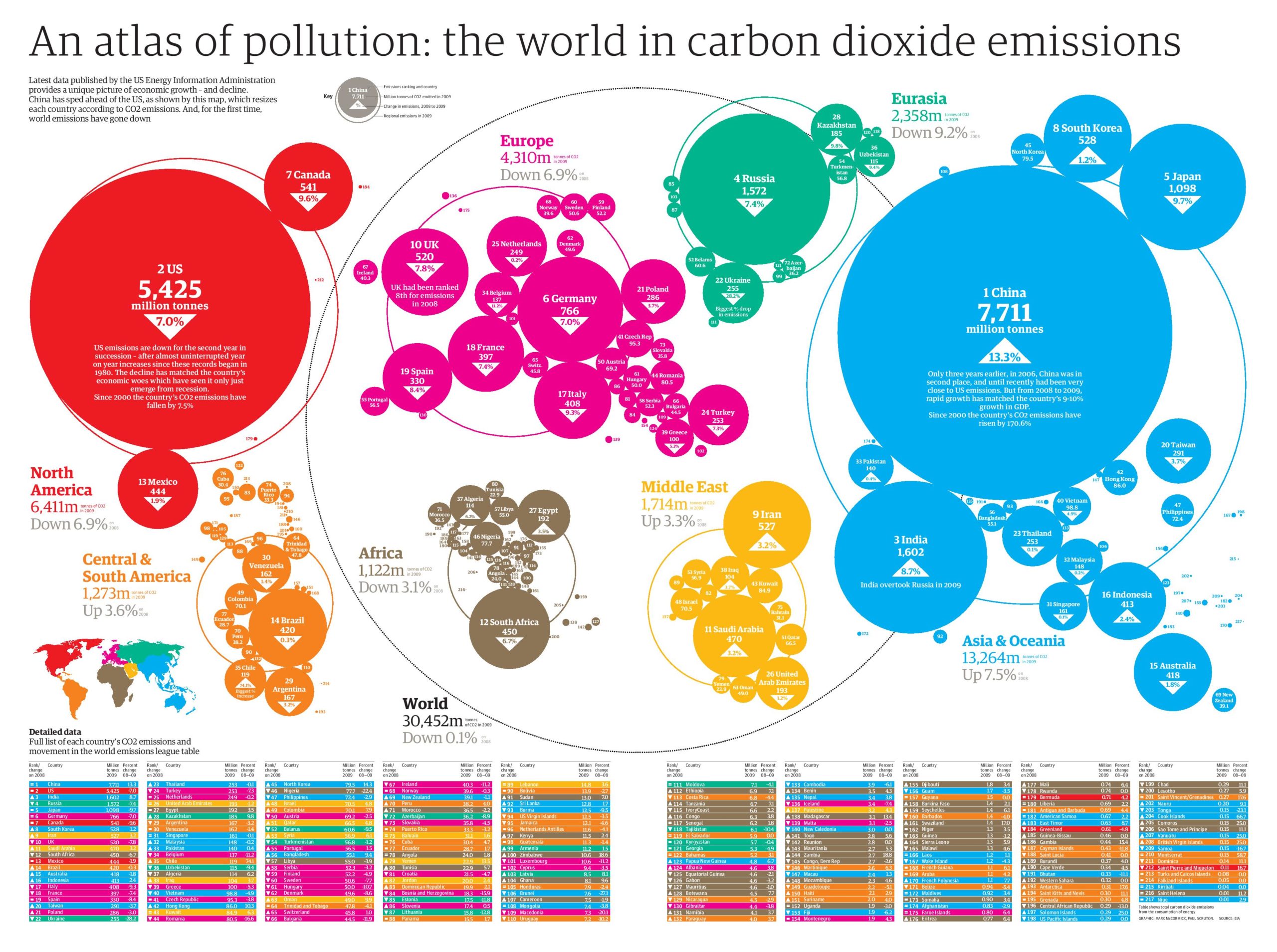
Recent reports from the Intergovernmental Panel on Climate Change (IPCC) indicate alarming trends. Global temperatures have risen by approximately 1.1 degrees Celsius since the late 19th century, primarily due to human activities such as burning fossil fuels. This warming has triggered widespread and long-lasting impacts on both natural and human systems.
Extreme Weather Events
One of the most visible effects of climate change is the increase in the frequency and intensity of extreme weather events. For instance, the 2023 hurricane season has already witnessed several Category 4 storms, attributed to warmer ocean temperatures. Similarly, wildfires have ravaged parts of Europe and North America, exacerbated by prolonged droughts and higher temperatures.
Melting Ice Caps and Rising Sea Levels
In addition, the polar ice caps are shrinking at an alarming rate, resulting in rising sea levels—predicted to rise between 1 to 3 feet by 2100. This rise poses a significant threat to coastal cities, with Miami and New Orleans already experiencing chronic flooding. The implications for real estate, fisheries, and local economies are severe and increasingly urgent.
Socioeconomic Impacts
The socioeconomic effects of climate change are equally pressing. Vulnerable communities face the brunt of these changes, as proximity to coastlines makes them more prone to flooding and drought. Economic disparities widen, as those with fewer resources are less able to adapt or recover from climate-related disasters. Furthermore, food security is threatened, with changing agricultural zones and crop yields diminishing in many areas around the world.
Conclusion: A Call to Action
Addressing the effects of climate change requires a multi-faceted approach encompassing policy changes, community engagement, and scientific innovation. Governments, organizations, and individuals must come together to implement sustainable practices and ultimately, mitigate the impending consequences of climate change. As awareness spreads, citizens are increasingly compelled to advocate for environmental initiatives and hold leaders accountable. Understanding these effects is not just an academic exercise; it is a vital step toward preserving the planet for future generations.