Introduction
The US population is a critical factor influencing many aspects of society, from the economy to public policy. As of 2023, the population of the United States stands at approximately 333 million, making it the third most populous country in the world after China and India. Understanding population trends is crucial for various sectors including healthcare, education, and urban planning, as they impact resource allocation and demand forecasting.
Current Population Statistics
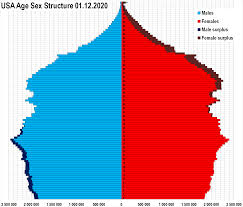
According to the United States Census Bureau, the population increased by 1.2 million from 2022 to 2023, demonstrating a steady growth rate. As of 2023, the median age of the US population is around 38.8 years, indicating an aging demographic that could have significant implications for healthcare services and workforce demographics in the coming years.
Demographic Changes
One major trend observed is the diversification of the US population. The latest census data indicates that Hispanic and Asian populations have seen considerable growth, contributing to changing cultural and social landscapes across the country. In 2022, the Hispanic population alone reached over 62 million, accounting for 18.9% of the total population. This diversification poses both challenges and opportunities for social cohesion and economic development.
Urban vs. Rural Population
As urbanization continues, more than 82% of the US population now lives in metropolitan areas. This trend poses important challenges for infrastructure, transportation, and housing. Many cities are grappling with rising living costs and increased demand for affordable housing, leading policymakers to focus on urban planning initiatives.
The Impact of Population Changes
The changing demographic landscape directly affects various sectors. In healthcare, for example, an aging population will require a greater emphasis on geriatric services and chronic disease management. Educational institutions must adapt to a more diverse student body, increasing the demand for bilingual education programs and inclusive curricula.
Conclusion
The current trends in the US population highlight significant shifts that will continue to shape the nation in the years to come. As we progress through 2023 and beyond, understanding these demographic dynamics will be essential for effective policymaking and resource allocation. The growing diversity, urbanization, and aging population will provide opportunities and challenges that require proactive responses to ensure a prosperous future for all Americans.