Introduction
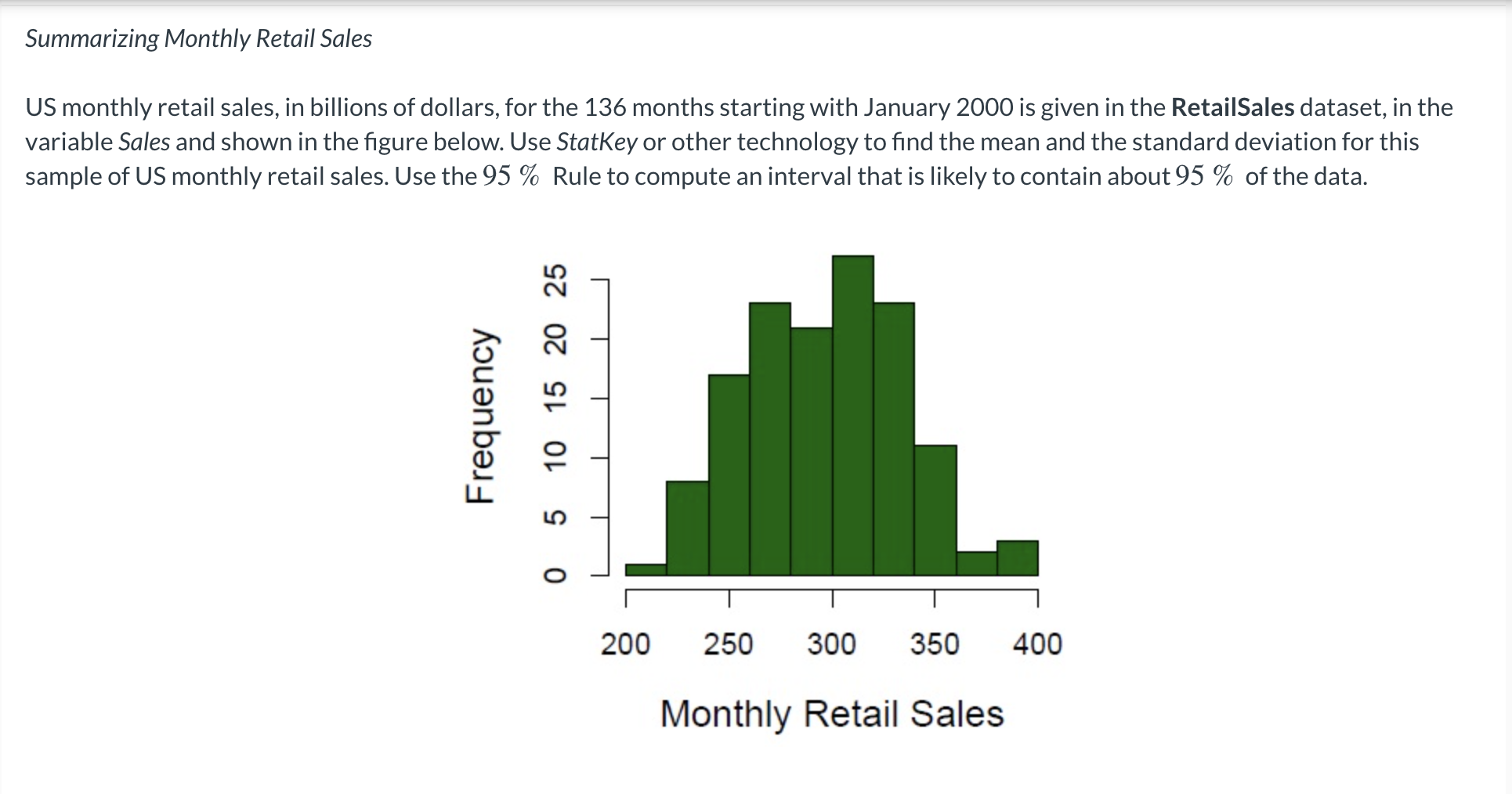
Retail sales play a crucial role in the economic landscape of any nation, providing insight into consumer behavior and economic health. Recent data suggests that the retail sector is undergoing significant changes, influenced by various factors including e-commerce growth, inflation, and shifts in consumer preferences. With retail sales being a cornerstone of economic activity, understanding current trends is essential for businesses, policymakers, and consumers alike.
Current Retail Sales Trends
As of 2023, retail sales data has shown a moderate recovery from the pandemic’s impacts, with year-over-year growth. According to the U.S. Department of Commerce, retail sales increased by 4.5% from 2022 to 2023, reflecting robust consumer spending as households adapt to a post-pandemic environment. Key areas contributing to this growth include online shopping and home goods, driven by sustained demand for home renovation and improvement products.
Moreover, the influence of inflation cannot be overstated. With prices increasing across various sectors, including food and housing, consumers are altering their spending habits. Reports indicate that lower-income households are particularly affected, leading to increased demand for discount retailers and second-hand goods. As a response, many traditional brick-and-mortar stores have adapted by expanding their online presence to capture a wider audience.
Seasonal Impacts and Events
Retail sales typically experience fluctuations related to holidays and seasonal events. The 2023 back-to-school season showed promising results, with consumers spending significantly more on educational supplies and clothing than in previous years. This trend reflects a desire for normalcy as families return to in-person schooling.
However, analysts caution that the ongoing uncertainties surrounding inflation and supply chain disruptions may impact future sales. As the Federal Reserve continues to monitor interest rates, businesses are advised to remain agile in their strategy, adjusting inventory and pricing to meet changing consumer demands.
Conclusion
The significance of retail sales extends beyond mere numbers; it reflects broader economic trends and consumer confidence. As retailers adapt to evolving market conditions, keeping an eye on these indicators is crucial for predicting future economic performance. The retail sector is likely to continue navigating challenges related to inflation and consumer preferences in 2023 and beyond, making ongoing analysis essential for those invested in the market.