Introduction
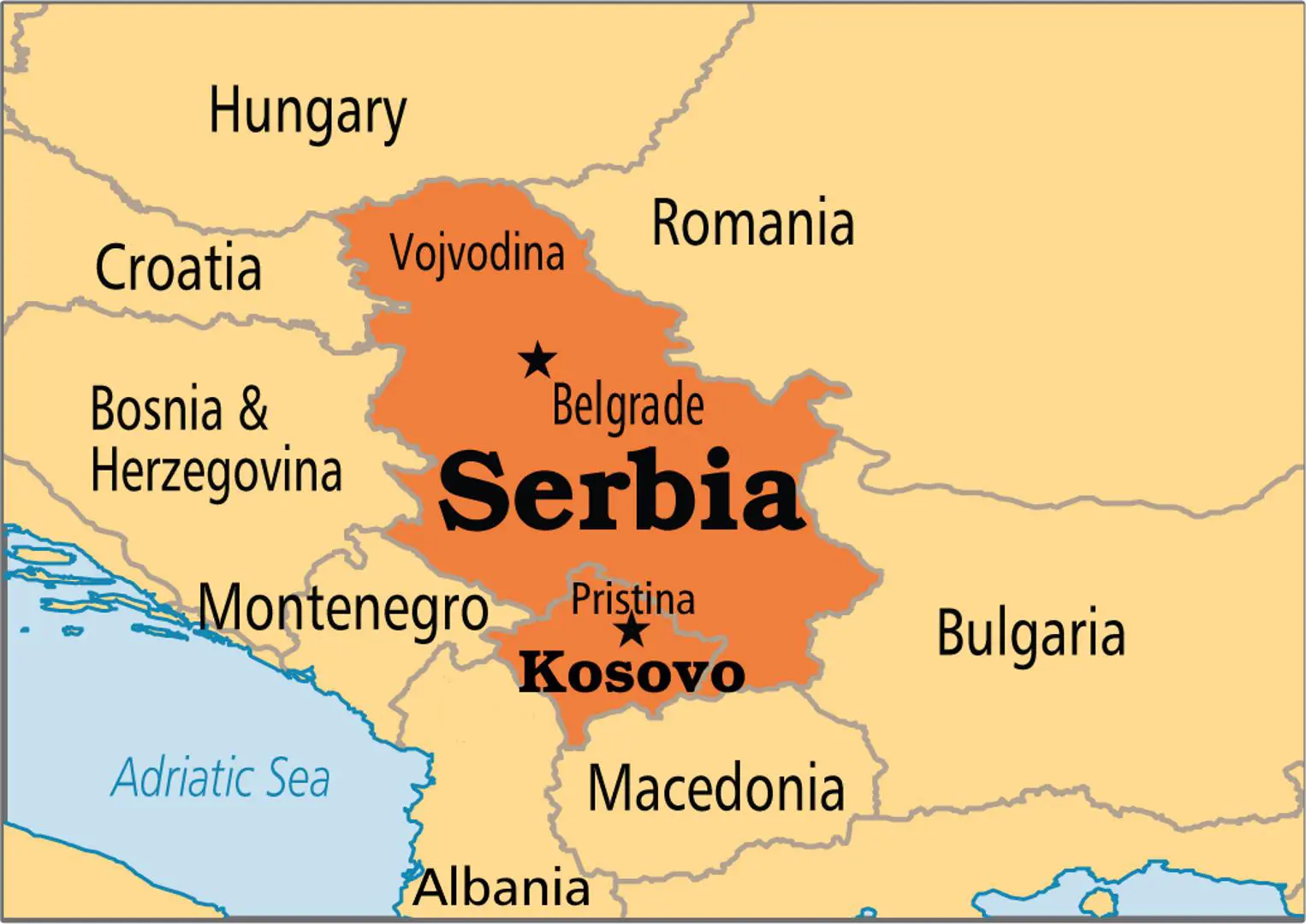
Kosovo, a small landlocked region in the Balkans, has been a focal point of political tension and international attention since its declaration of independence from Serbia in 2008. The significance of Kosovo extends beyond its borders due to its strategic location, ethnic diversity, and ongoing disputes with Serbia. With recent developments, including changes in the political climate and NATO involvement, understanding the current situation in Kosovo has become increasingly relevant.
Current Developments
As of 2023, Kosovo has faced several challenges that have tested its governance and diplomatic relations. The most pressing issue has been the ongoing dialogue with Serbia, which has yet to recognize Kosovo’s independence. Recently, Kosovo’s Prime Minister Albin Kurti has reiterated his commitment to pursuing European integration and strengthening ties with the West, despite rising nationalist sentiments.
In mid-2023, tensions escalated in Northern Kosovo, where a significant Serb minority resides. Protests erupted after Pristina’s attempt to increase its administrative control over the area, which is backed by Serbia. The intervention of Kosovo police led to violent confrontations, resulting in several injuries. In response, NATO deployed additional troops to the region to maintain peace and order, highlighting the international community’s concerns over stability in the Balkans.
Economic development has also been a focal point for Kosovo’s government. Efforts to attract foreign investment are underway, particularly in the technology and renewable energy sectors. However, Kosovo continues to grapple with high unemployment rates and pervasive corruption, which hamper its economic growth and global market competitiveness.
International Response and Future Outlook
The international community remains divided on Kosovo’s status. While the United States and most EU nations recognize its independence, several countries, including Russia and China, continue to support Serbia’s claims. The European Union has urged both parties to engage in dialogue, emphasizing the importance of finding a mutually acceptable solution to ensure lasting peace in the region.
As we look to the future, the situation in Kosovo remains fluid. The ongoing dialogue with Serbia and the responses from both local and international entities will shape Kosovo’s political landscape in the coming years. Ultimately, Kosovo’s stability is crucial not only for its citizens but for the broader Balkan region, as it strives for peace, development, and integration into European structures.
Conclusion
Kosovo stands at a crossroads in 2023, facing a multitude of challenges while also seeking opportunities for development and international recognition. The interplay of local governance, regional ethnic dynamics, and international diplomacy will continue to influence its journey toward stability and prosperity.