The Importance of Haiti in Today’s World
Haiti, the first independent nation in Latin America and the Caribbean, is currently under severe political and humanitarian distress. The nation’s significance lies not only in its history but also in its potential for growth and its contributions to regional stability. Understanding the ongoing challenges is crucial for global stakeholders and humanitarian organizations working in the area.
Current Political Climate
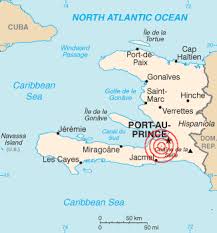
As of late 2023, Haiti is experiencing profound political turmoil. After the assassination of President Jovenel Moïse in July 2021, the country has struggled to establish a stable government. Political factions continue to vie for power, resulting in widespread violence, gang domination of key urban areas, and civil unrest. Recent reports indicate that over 80% of Port-au-Prince is under the control of various gang factions, exacerbating the crisis.
Humanitarian Crises
The worsening security situation has made it increasingly difficult for humanitarian aid to reach those in need. The United Nations estimates that more than 5 million people—approximately half of Haiti’s population—are in urgent need of assistance. Additionally, the cholera outbreak, which has returned to the country after years of relative control, poses a significant health threat. In October 2023, health authorities reported thousands of cholera cases, highlighting the fragile state of public health infrastructure.
International Response
In light of these challenges, the international community has begun to take more decisive action. Several countries, including the United States, have pledged to support humanitarian efforts during this crisis. On October 10, 2023, the U.N. Security Council discussed the situation extensively, considering a potential multinational armed intervention to restore order and provide humanitarian relief. The need for a coordinated international response is critical as Haiti’s instability has regional implications, threatening safety and security in the wider Caribbean.
Conclusion
Haiti’s ongoing struggles with political instability and humanitarian crises raise urgent questions about the future of the nation and its people. The international community must remain engaged, providing support while respecting Haitian sovereignty. For individuals and organizations interested in helping, being informed about Haiti’s issues is the first step towards making a difference. As events unfold, continued advocacy for sustainable solutions will be essential to improve the lives of Haitians and assist in rebuilding a resilient nation.