Introduction
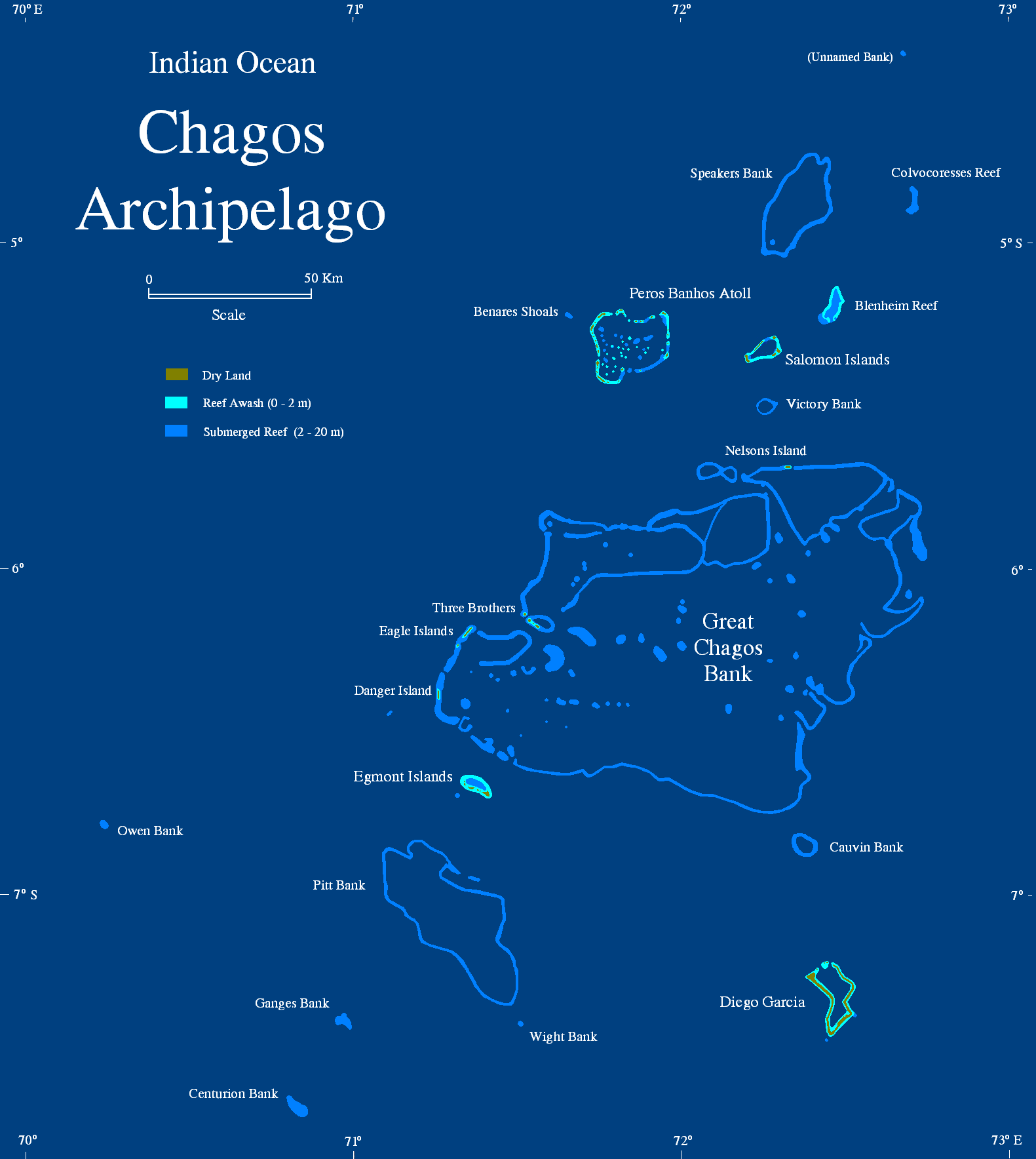
The Chagos Islands, a group of over 60 tropical islands in the Indian Ocean, are not only a paradise for nature lovers but also a focal point of geopolitical tension. Their strategic location has made them the subject of territorial disputes between the United Kingdom and Mauritius, sparking international conversations on sovereignty, human rights, and environmental concerns. Understanding the Chagos Islands is crucial as it highlights ongoing issues of colonial legacy and the implications for the indigenous population.
Historical Context
The Chagos Islands were uninhabited when the British Empire took control in the 18th century, but a distinct population known as the Chagossians lived there until the 1960s. The UK established a military base on Diego Garcia, the largest island, in partnership with the United States amid the Cold War. In 1971, the British government forcibly removed the Chagossian people to allow for this military installation, leading to widespread criticism and legal battles that continue today.
Recent Developments
After years of legal struggles, a ruling from the International Court of Justice (ICJ) in 2019 stated that the UK’s continued administration of the Chagos Islands is illegal and called for the immediate end to British sovereignty. Moreover, the United Nations General Assembly overwhelmingly backed this advisory opinion, further isolating the UK on this issue. Despite these rulings, the UK has maintained its stance, citing security reasons for its presence in the region and reinforcing the military base on Diego Garcia.
Impact on Indigenous Chagossians
The Chagossians, who were displaced from their homeland, continue to fight for recognition and compensation. Many have settled in the UK and Mauritius, struggling to maintain their cultural identity and connection to their homeland. Recent advocacy efforts have brought their plight back into the spotlight, highlighting the need for restitution and reparations for their historical suffering.
Conclusion
The future of the Chagos Islands remains entangled in complex political and legal conflicts. As more people become aware of the plight of indigenous populations worldwide, the case of the Chagossians serves as a reminder of the lasting impact of colonialism. Observers predict that ongoing international pressure may eventually lead the UK to reconsider its position, but it remains to be seen whether meaningful changes will be made to benefit the Chagossians and resolve the long-standing territorial disputes. The situation underscores the importance of vigilance in protecting the rights of oppressed communities globally.