Introduction
The Michigan budget is an essential tool for governing the state and allocating resources to various sectors, including education, healthcare, infrastructure, and public safety. As the 2023 Michigan budget unfolds, it is crucial for residents to understand its implications and how it affects their daily lives. With state revenue forecasts and expenditures under scrutiny, the budget can signal investment priorities and economic health.
Current Details of the Michigan Budget
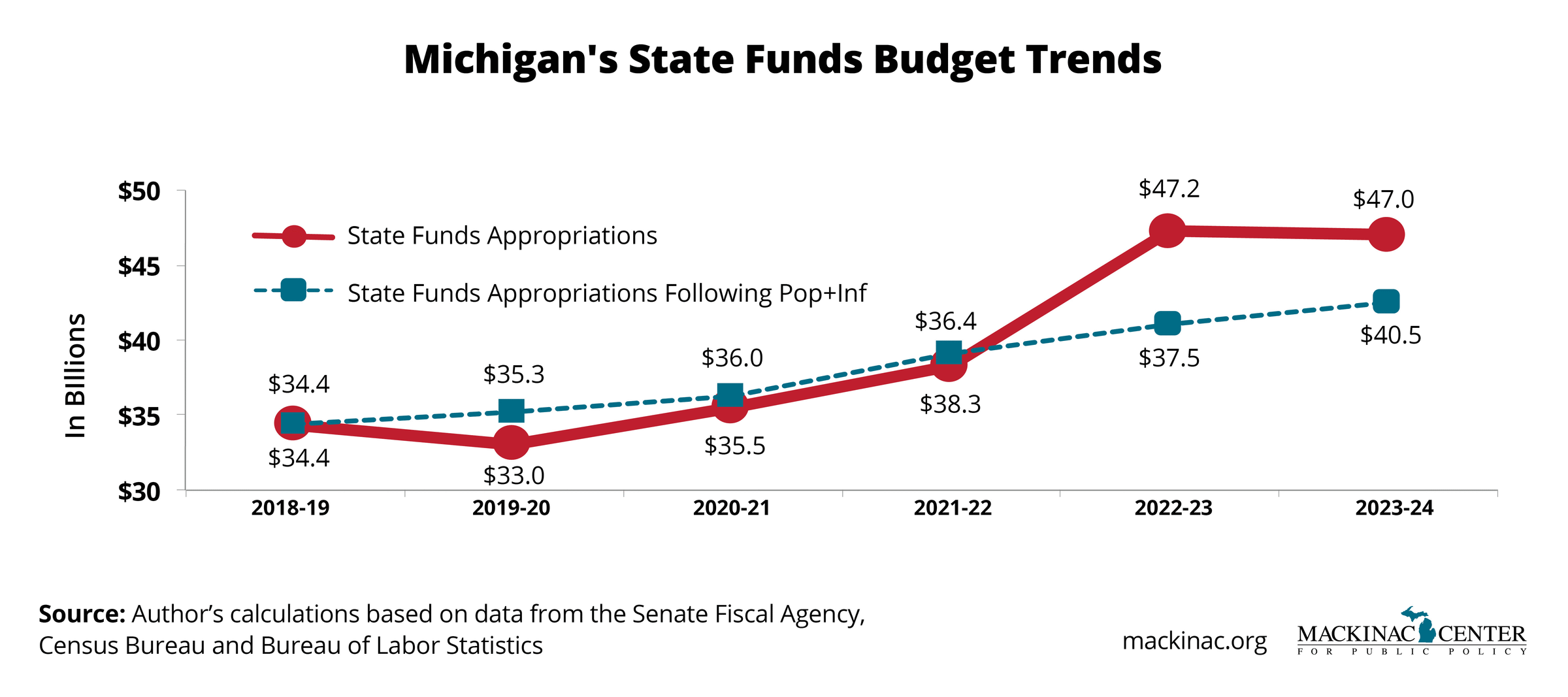
In 2023, Governor Gretchen Whitmer presented a proposed budget totaling approximately $79 billion, reflecting a commitment to longstanding priorities such as education funding and public health. This budget marks a significant increase from previous years due to a surge in state revenue attributed to economic recovery following the pandemic.
A key highlight of the proposed budget is the allocation of $24 billion to K-12 education, which aims to improve infrastructure, increase teacher salaries, and bolster mental health resources for students. Additionally, around $4 billion is earmarked for higher education institutions, ensuring accessibility and affordability for college students across Michigan.
The budget also focuses on health initiatives, with major investments directed towards expanding Medicaid services and funding the state’s efforts to combat mental health crises. Furthermore, the proposal includes funding for road repairs and infrastructure improvements, emphasizing the need for enhanced transportation systems as the state aims to attract businesses and boost job growth.
Reactions and Forecasts
As lawmakers analyze the proposed budget, reactions from various stakeholders vary. Education advocates have generally supported the increased funding for schools, while some business leaders are calling for tax incentives to encourage business development. Additionally, concerns about ongoing inflation and potential future revenue shortfalls have emerged, leading to calls for cautious fiscal management.
Looking ahead, the final budget will undergo review and potential revisions in the state legislature, which will consider public feedback and expert opinions to ensure the allocation serves the best interests of Michigan residents. The budget’s final approval is anticipated by the end of the state’s fiscal year in September, impacting the state’s economic landscape for years to come.
Conclusion
The Michigan budget for 2023 serves as a roadmap for state priorities and funding allocation. As residents follow discussions and developments, it is imperative to stay informed about how these decisions will impact various sectors and public services. With the state’s focus on education, healthcare, and infrastructure, the implications of this budget extend beyond immediate financial effects, shaping Michigan’s future growth and prosperity.