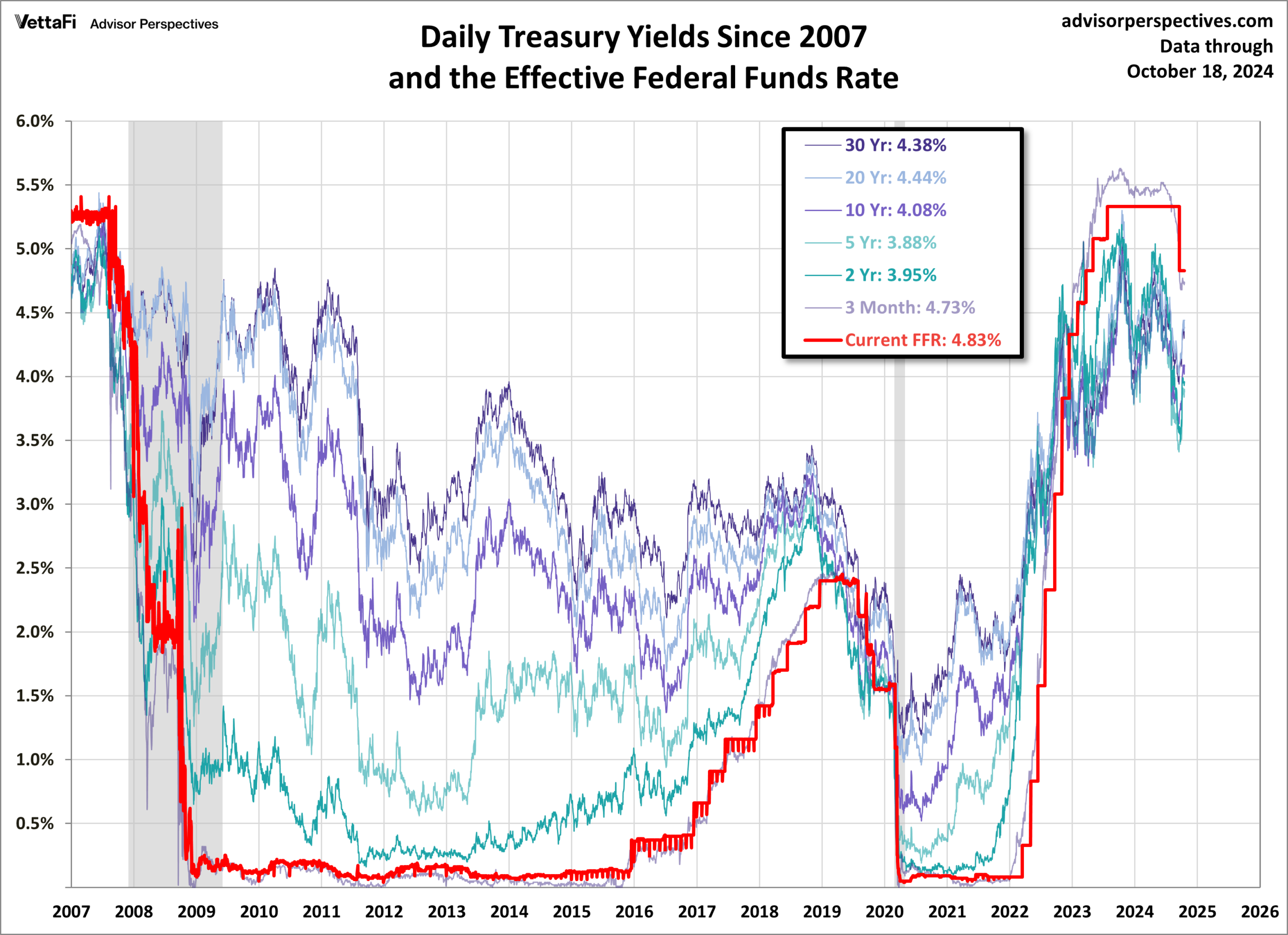
Introduction: What is the 10 Year Treasury Yield?
The 10 year treasury yield is a critical indicator of economic sentiment in the United States, representing the return investors earn for lending to the government for a decade. This yield affects various sectors, including mortgages, bank loans, and government bonds, and serves as a benchmark for long-term interest rates. In the current economic climate, understanding the fluctuations of this yield is paramount for investors, policymakers, and consumers alike.
Current Trends and Events
As of October 2023, the 10 year treasury yield has shown significant volatility, recently reaching levels above 4.5%. This surge is attributed largely to concerns about inflation, the Federal Reserve’s interest rate policies, and overall economic growth. Investors are closely monitoring the Fed’s actions as it seeks to balance inflation control with economic stability.
Recent data from the U.S. Bureau of Labor Statistics indicates that inflation remains elevated, compelling the Federal Reserve to maintain a hawkish stance. Consequently, this has increased the demand for safer assets like treasury bonds, driving yields higher. Market analysts suggest that if inflation persists, the 10 year yield could continue to rise, potentially impacting mortgage rates and the housing market, which have already been affected by higher borrowing costs.
Economic Implications
A rising 10 year treasury yield can increase borrowing costs for consumers and businesses, leading to reduced spending and investment. For instance, mortgage rates tend to track closely with treasury yields, and as these yields rise, housing affordability becomes a growing concern. The National Association of Realtors has reported a decline in home sales, pointing to the adverse effects of increased mortgage rates on potential buyers.
Conversely, higher yields can be indicative of confidence in the economy, where investors demand higher returns for the risk of holding government debt. This duality adds complexity to the narrative surrounding the 10 year treasury yield, as it is both a predictor and a reaction to economic conditions.
Conclusion: Future Outlook
Looking ahead, the 10 year treasury yield is likely to remain a focal point for economic discussions, especially as inflationary pressures evolve and the Federal Reserve continues its monetary policy adjustments. Analysts predict a cautious environment where the yield may fluctuate based on incoming economic data.
For investors and consumers, staying informed about movements in the 10 year treasury yield is essential. Monitoring these trends will offer insights into borrowing costs and overall market health, making it a pivotal element of financial planning in the forthcoming months.