Introduction
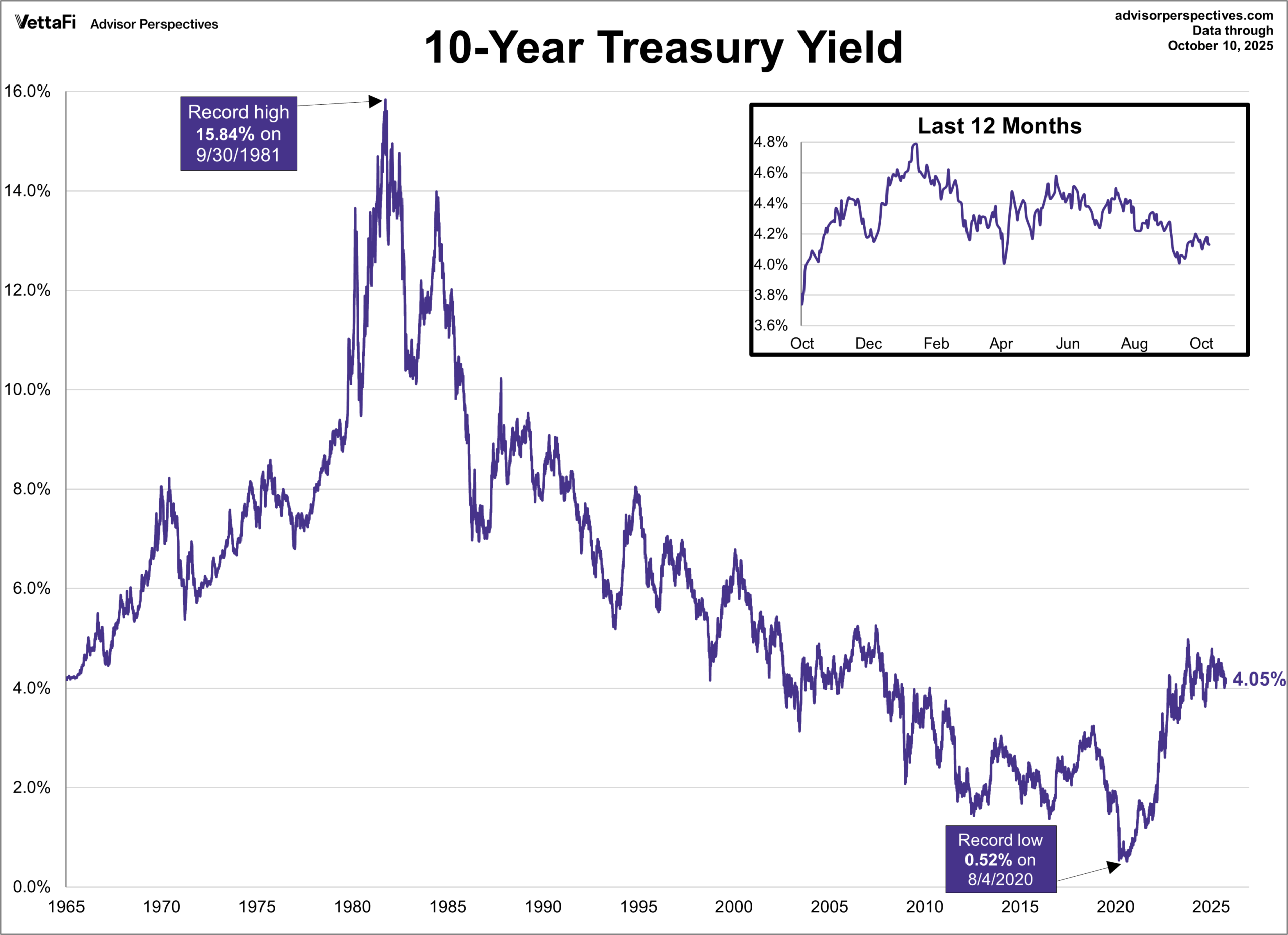
The 10 year Treasury yield is a crucial indicator in the financial markets, serving as a benchmark for interest rates across various types of loans and investments. Its movements provide insights into economic expectations, inflation, and monetary policy. As of October 2023, the behavior of the 10 year Treasury yield has garnered significant attention amid changing economic conditions, including inflationary pressures and the Federal Reserve’s monetary policy changes.
Recent Trends
As of mid-October 2023, the yield for the 10 year Treasury note has been fluctuating around 4.5%, reflecting investor concerns over persistent inflation and potential interest rate hikes from the Federal Reserve. The yield increased sharply earlier this year, reaching a high of approximately 4.75%, which marked the highest level in over a decade. Demand for safe-haven assets like U.S. Treasuries typically rises during times of economic uncertainty or when investors expect a slowing economy, causing yields to react accordingly.
Factors Influencing the Yield
Several factors have influenced the recent rise in the 10 year Treasury yield. Inflation rates have remained stubbornly high, with the Consumer Price Index (CPI) showing year-over-year increases above the Federal Reserve’s target of 2%. Additionally, the Federal Reserve’s statements regarding future interest rate hikes have caused speculation in the bond market. For example, during recent Federal Open Market Committee (FOMC) meetings, officials indicated that further rate hikes could be on the table if inflation does not show signs of cooling.
Market Reactions
The rise in the 10 year Treasury yield has had a direct impact on borrowing costs. Mortgage rates have surged, making home purchases more expensive and contributing to a slowdown in the housing market. Furthermore, corporate borrowing costs have also increased, which may lead businesses to reconsider expansion plans or new investments. Equity markets have shown volatility, correlating with movements in treasury yields, as higher yields often lead to a preference for fixed income investments over riskier stocks.
Conclusion
The 10 year Treasury yield is a critical economic indicator that reflects the market’s outlook on inflation and growth. As we move into the latter part of 2023, the behavior of this yield will be closely monitored by investors and policymakers alike. Higher yields could signify rising borrowing costs and an economic slowdown, while lower yields could indicate market confidence in growth and stability. As always, keeping an eye on the Federal Reserve’s actions and inflation data will be essential for understanding future trends in the 10 year Treasury yield.