Introduction to Stagflation
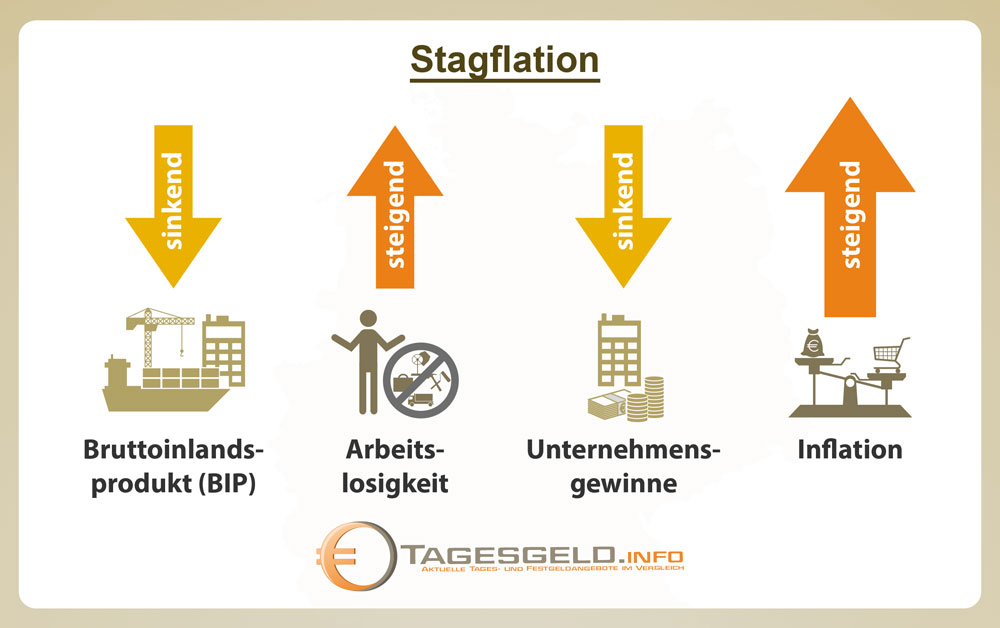
Stagflation is a term that describes a troubling economic condition characterized by stagnant economic growth, high unemployment, and high inflation. The relevance of this topic has surged in recent months as many economies, including the United States, grapple with rising inflation rates not seen in decades, alongside sluggish growth, raising concerns among economists and policymakers.
The Current State of Stagflation
In recent reports, the U.S. economy has shown signs of experiencing stagflation, a situation that has become a focal point for discussions regarding economic policy. According to the Consumer Price Index (CPI), inflation rates have surged to over 8%, the highest level since the early 1980s, while the Gross Domestic Product (GDP) growth rate has slowed appreciably. The U.S. Bureau of Economic Analysis indicated a contraction of 0.6% in the first quarter of 2023, followed by a meager growth rate of just 0.3% in the second quarter.
These economic indicators signal a precarious situation for American households. Rising prices for essential goods like food, fuel, and housing are straining budgets, while stagnant wage growth means that many people are feeling the financial squeeze even more acutely. Furthermore, unemployment rates, although dropping from pandemic highs, remain at elevated levels in certain sectors, complicating the economic landscape.
Factors Contributing to Stagflation
Multiple factors contribute to the stagflation scenario. Primarily, the geopolitical tensions, such as the ongoing conflict in Ukraine and resultant sanctions on key commodity exports, have exacerbated supply chain disruptions and contributed to soaring energy prices. Additionally, the lingering effects of the COVID-19 pandemic disrupted supply chains and labor markets, further complicating economic recovery.
As policymakers seek ways to address these issues, their responses could have lasting implications. The Federal Reserve’s decision to implement several interest rate hikes in response to inflation risks further slowing growth. As interest rates rise, borrowing costs increase for consumers and businesses alike, potentially leading to a slowdown in investment and economic activity.
Outlook and Conclusion
As we move forward, the significance of stagflation cannot be understated. It poses unique challenges for economic growth and household prosperity while complicating the decision-making process for policymakers. Experts warn that if measures to stimulate growth do not balance against inflationary pressures, the economy could slip into a precarious cycle of stagnation.
In conclusion, understanding stagflation, its causes, and its impacts is crucial for both consumers and businesses as they navigate this unpredictable economic environment. If not addressed thoughtfully and swiftly, the implications of stagflation may echo through the economy for years to come.