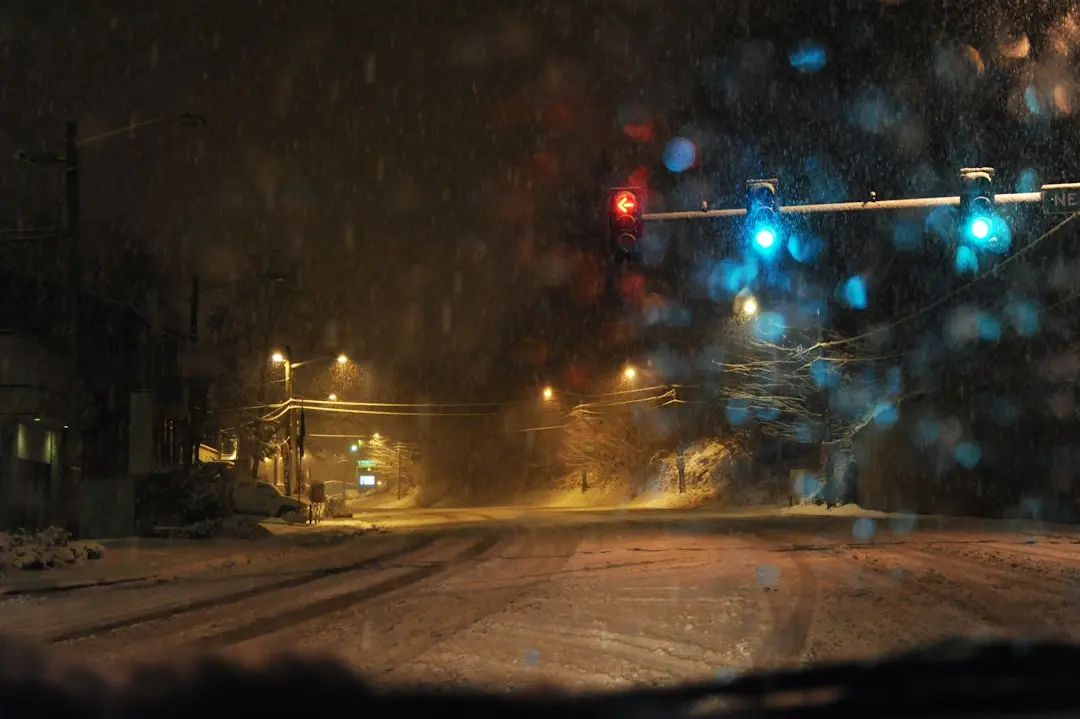
The Importance of Understanding Winter Precipitation
As winter weather approaches, understanding the differences between sleet and freezing rain is crucial for safety and preparedness. Both weather phenomena can occur in similar conditions but have vastly different impacts on roads, visibility, and safety. With climate change leading to more frequent and intense winter storms, being informed can make a significant difference in how we react during such events.
What is Sleet?
Sleet is characterized by small ice pellets that form when raindrops freeze before they reach the ground. This typically happens when there is a layer of warm air interspersed with cold air, causing the droplet to melt before refreezing at a lower elevation. The result is a slippery surface that can create hazardous driving conditions. According to the National Weather Service, sleet generally bounces upon hitting the ground and can accumulate, leading to significant ice coverage.
What is Freezing Rain?
In contrast, freezing rain occurs when rain falls through cold air and freezes upon contact with surfaces that are below freezing. This results in a coating of ice that can be particularly dangerous. Unlike sleet, freezing rain creates a smooth, glassy layer of ice on roads, sidewalks, and power lines, leading to an increased risk of accidents and power outages. The National Oceanic and Atmospheric Administration (NOAA) warns that freezing rain can lead to widespread damage due to the heavy ice loading on structures and trees, often resulting in downed power lines and extended outages.
Impacts of Sleet and Freezing Rain
While both sleet and freezing rain pose dangers, the implications of each are distinct. Sleet causes slippery conditions but is less likely to damage infrastructure. Freezing rain, on the other hand, can have catastrophic effects on areas with trees and power lines. Residents in areas forecasted to experience these conditions should take precautions, including staying indoors, preparing emergency kits, and being cautious while driving.
Conclusion: Knowing the Difference Can Save Lives
Understanding the differences between sleet and freezing rain can significantly impact safety during winter storms. Forecasts and weather alerts will often specify these conditions, allowing individuals to prepare adequately. Awareness and preparedness can reduce accidents, injuries, and property damage. As climate patterns shift, being equipped with knowledge about these winter weather phenomena becomes increasingly vital for all regions susceptible to winter storms.