Introduction
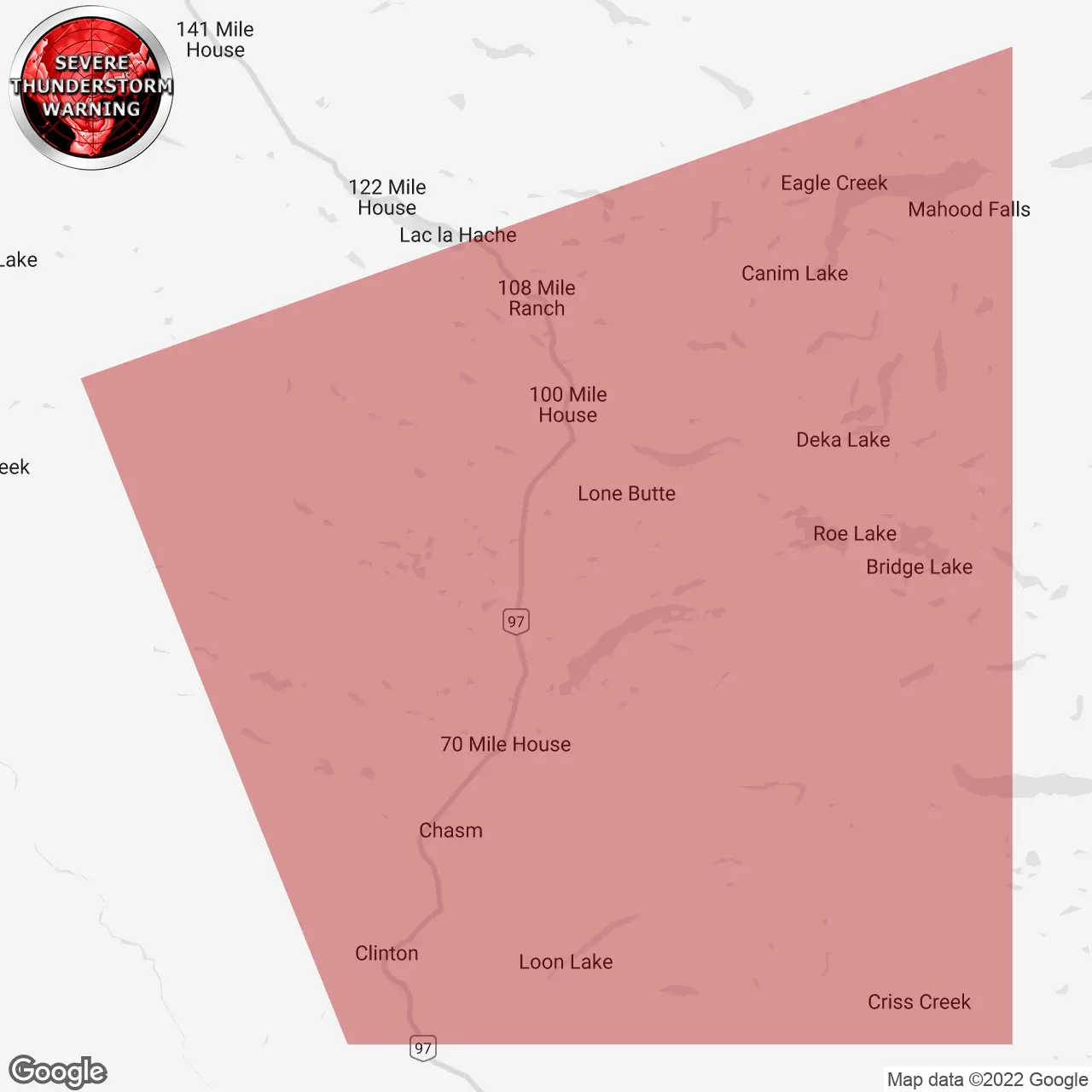
Severe thunderstorm warnings play a crucial role in keeping the public informed and safe during intense weather events. These alerts indicate imminent threats that can lead to damaging winds, large hail, and heavy rainfall, potentially resulting in hazardous conditions.
What is a Severe Thunderstorm Warning?
A severe thunderstorm warning is issued by the National Weather Service (NWS) when a thunderstorm capable of producing severe weather is occurring or imminent. This includes storms that produce winds of 58 miles per hour or higher, hail of one inch in diameter or larger, or a tornado.
Current Events and Alerts
As of mid-October 2023, multiple regions across the United States are under severe thunderstorm warnings due to the seasonal shift in weather patterns. Meteorologists are reporting active systems particularly affecting the Midwest and Southeast, causing flash flooding and power outages. For instance, last week alone, over 30 million people were under some form of severe weather advisories, highlighting the ongoing threats as cold fronts collide with warmer air masses.
Impact of Warnings
The implications of severe thunderstorm warnings are significant. Communities prepared for severe weather are often able to mitigate damage, respond quickly to emergencies, and protect lives. Information disseminated by the NWS via radio, television, and mobile alerts can help residents make timely decisions about seeking shelter or evacuating.
Recommendations for Safety
During a severe thunderstorm warning, it is essential for individuals and families to follow these recommendations:
– Stay indoors and away from windows.
– Avoid outdoor activities.
– Have an emergency kit ready, including flashlights, batteries, and a first aid kit.
– Keep updated with local news and weather channels for the latest information.
Conclusion
Severe thunderstorm warnings are vital for public safety during intense weather occurrences. As storms become more unpredictable and severe due to climate changes, understanding these warnings and their implications is increasingly important. Staying informed not only helps protect individuals and families but also aids in community preparedness and response efforts, ultimately minimizing the impact of severe weather.