Introduction
Severe thunderstorm warnings are critical alerts issued by meteorologists to inform the public of impending severe weather events. These warnings are vital for public safety, as they signal the potential for significant hazards such as damaging winds, large hail, and flash flooding. With the increase in extreme weather events attributed to climate change, understanding these warnings has become more important than ever.
What is a Severe Thunderstorm Warning?
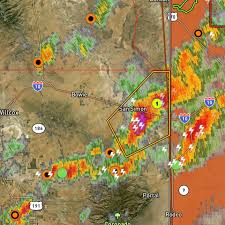
A severe thunderstorm warning is issued when meteorological conditions are favorable for the development of severe thunderstorms that could produce damaging winds of 58 mph or greater, quarter-sized hail, or tornadoes. These warnings are typically issued for a specific area and are based on radar data and weather conditions. They play a crucial role in helping communities prepare for severe weather and mitigate potential damage.
Recent Events and Current Warnings
As of this month, the National Weather Service (NWS) has issued multiple severe thunderstorm warnings across various regions of the United States, particularly in the Midwest and Southeast. These regions have experienced unseasonably warm temperatures combined with high humidity, creating a conducive environment for severe thunderstorms. For example, a recent storm system swept through parts of Missouri and Illinois, bringing damaging winds and hail that resulted in localized flooding and property damage. Local authorities have urged residents to stay informed through weather alerts and to follow safety precautions during storm events.
How to Stay Safe During a Severe Thunderstorm
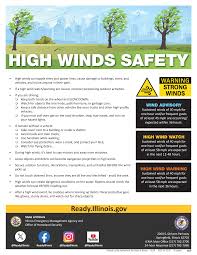
When a severe thunderstorm warning is issued, it is vital to take precautions to ensure personal safety. Here are some recommended steps:
- Stay Informed: Monitor local news sources, weather apps, and emergency management announcements for updates.
- Seek Shelter: If you are outdoors, move to a secure location such as a sturdy building. Avoid vehicles and open areas.
- Avoid Electrical Appliances: Unplug sensitive electronics to prevent damage from power surges and stay away from windows.
- Have a Plan: Have an emergency kit ready that includes essentials like water, food, medications, flashlights, and batteries.
Conclusion
As the impacts of climate change continue to shape weather patterns, the frequency and intensity of severe thunderstorms are likely to increase. Understanding severe thunderstorm warnings and knowing how to respond is crucial for protecting lives and property. By staying informed and prepared, individuals and communities can significantly reduce the risks associated with these dangerous weather events. As we move deeper into storm season, it’s important to prioritize safety and heed weather alerts from trusted sources.