Introduction
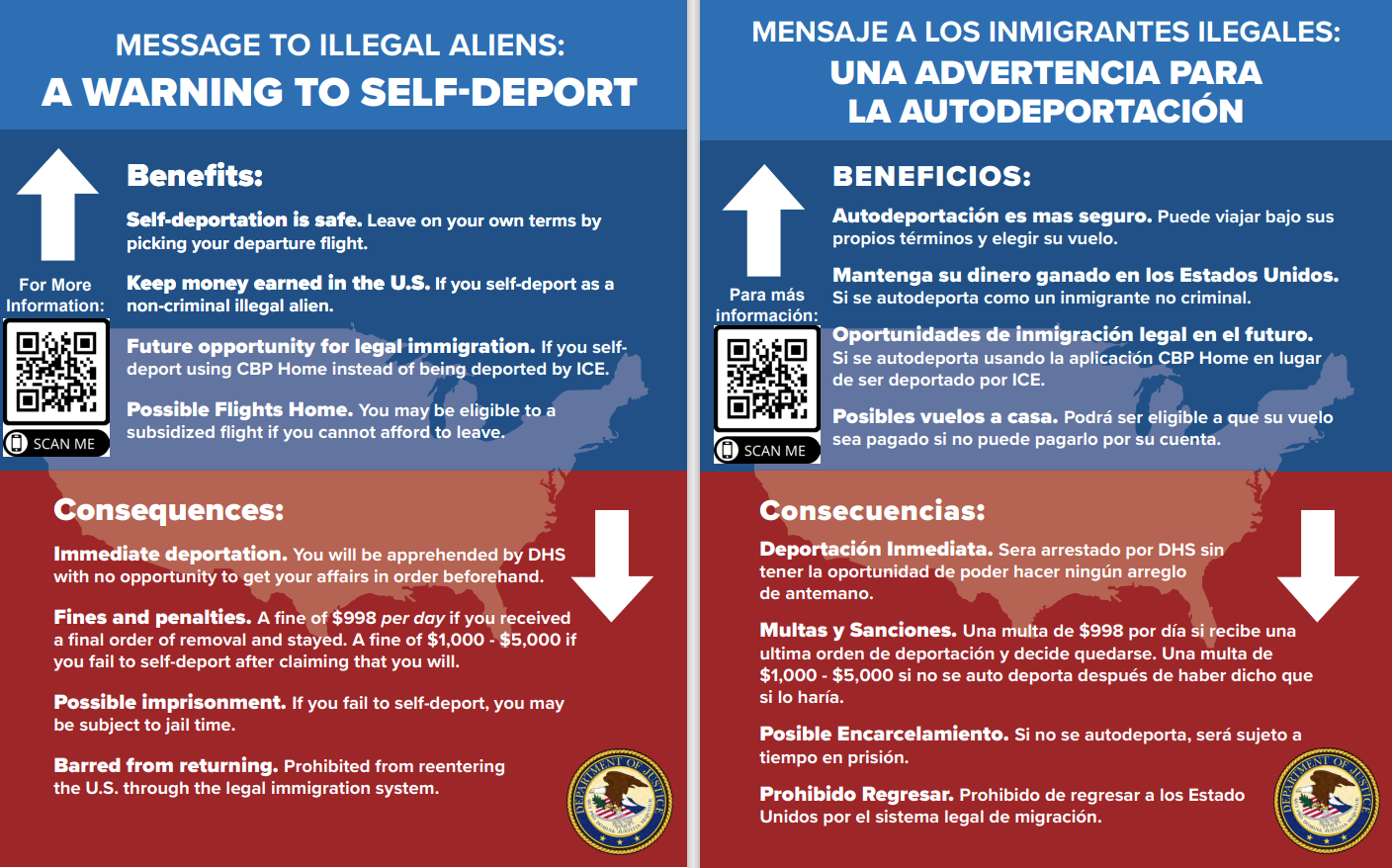
Self deportation, a term used to describe the voluntary act of individuals leaving a country to avoid deportation proceedings, has become a pertinent issue in the context of ongoing debates around immigration policy in the United States. As immigration laws grow more complex, many undocumented immigrants face a difficult decision: remain and risk deportation or leave their lives behind in search of safety and stability elsewhere. This article explores the factors leading to self deportation, its implications, and the broader picture of immigration challenges in the country.
Recent Trends in Self Deportation
Recent reports indicate a rise in self deportation among undocumented immigrants. According to a 2021 study from the Pew Research Center, nearly 1.7 million undocumented individuals have left the U.S. since 2017, a significant uptick attributed to fears of increased enforcement under stricter immigration policies and the COVID-19 pandemic’s economic impacts. Many families cite the need to ensure their children’s welfare and education as prominent factors influencing their decisions to return to their native countries.
Factors Influencing the Decision
Several reasons contribute to individuals choosing self deportation as a solution. Firstly, the fear of detention and deportation has intensified, particularly among communities of color, leading to feelings of insecurity and instability. Secondly, economic pressures, including job loss and the inability to obtain financial support due to legal status, play a significant role in prompting self deportation. In the face of ever-growing legal ramifications, many undocumented immigrants conclude that leaving is less risky than staying.
Impact on Communities
The effects of self deportation extend beyond the individual, significantly impacting local economies and communities. Businesses may suffer from labor shortages, particularly in industries reliant on immigrant labor, such as agriculture and construction. Schools also experience shifts in enrollment dynamics, where the departure of students affects community cohesion and cultural diversity. Additionally, the emotional toll of family separations creates long-term challenges for those who remain.
Conclusion
Self deportation highlights the complex relationship between immigration policies and the human experience of migrants. While individuals may see it as a solution to avoid legal troubles, it underscores a broader failure of the immigration system to provide pathways for stability and security. As debates continue on immigration reform, understanding the realities of self deportation can inform more humane policies that acknowledge the rights and dignity of all individuals. With changing political climates and a push for comprehensive immigration reform, the future of self deportation, and the lives affected by it, remains uncertain but crucial to address.