Introduction
Rojava, a region in northern Syria, has gained international attention for its unique experiment in self-governance and social change amidst the backdrop of the Syrian Civil War. Established in 2012, Rojava has become a focal point for discussions on autonomy, democracy, and gender equality. Its significance lies not just in its political structure but also in its efforts to establish a society based on communal cooperation and direct democracy.
The Political Landscape of Rojava
Rojava is officially known as the Autonomous Administration of North and East Syria (AANES). The region consists of three primary cantons: Afrin, Kobane, and Jazira. Each canton operates under a system of democratic confederalism inspired by the ideology of Abdullah Öcalan, the leader of the Kurdistan Workers’ Party (PKK) who remains imprisoned in Turkey. This model emphasizes local governance, environmental sustainability, and gender equality. Local councils consist of representatives from various ethnic and religious groups, including Kurds, Arabs, and Assyrians, aiming to promote coexistence and collaboration.
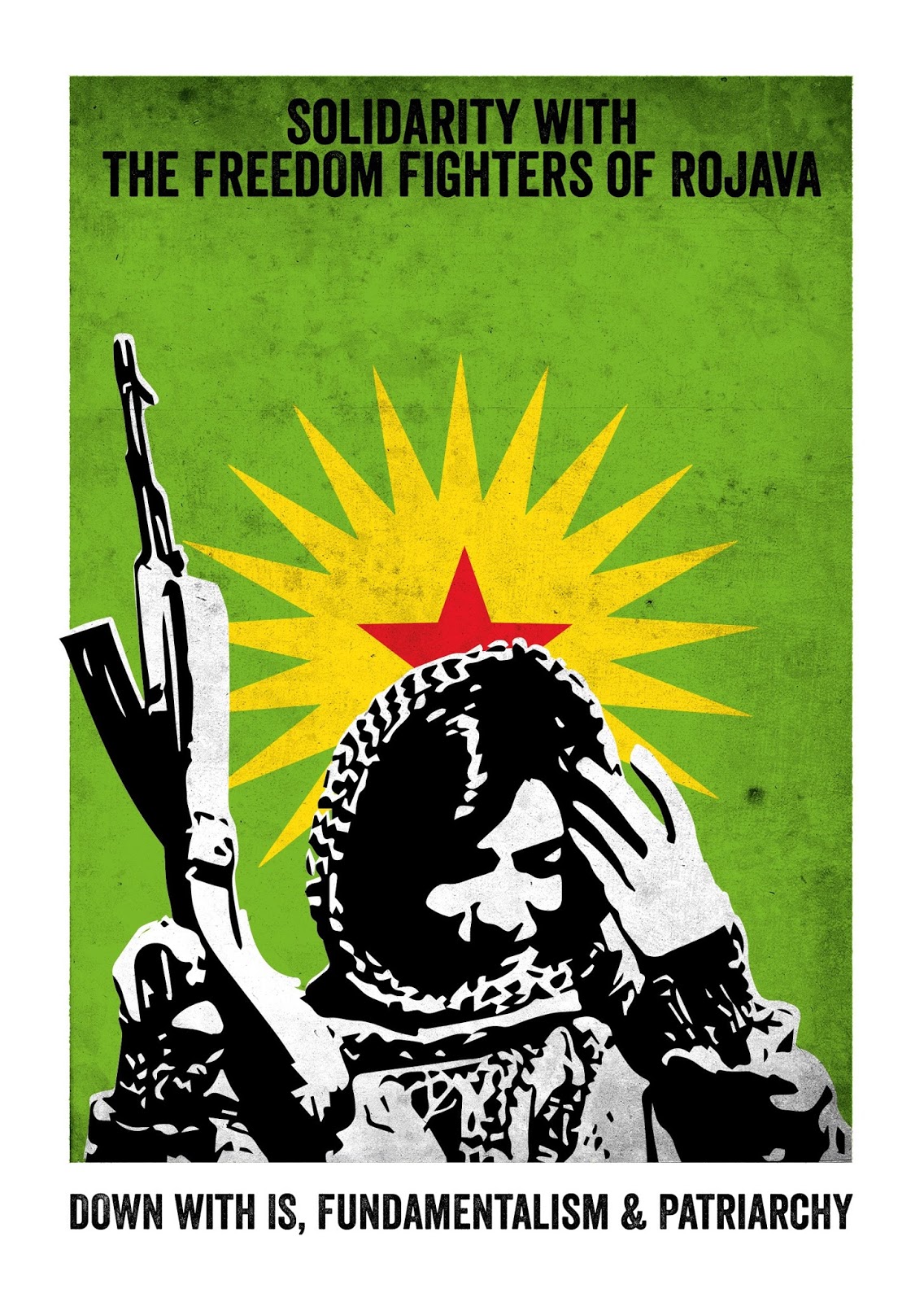
In recent years, Rojava has secured significant military victories against ISIS, further solidifying its role as a key player in the fight against extremism in the region. The Syrian Democratic Forces (SDF), predominantly made up of Kurdish fighters, have become known internationally for their efforts in combating ISIS, earning them support from various countries.
Social and Economic Initiatives
Beyond governance, Rojava has implemented a series of social reforms aimed at transforming its society. Gender equality is a cornerstone of its political philosophy, reflected in the establishment of all-female military units and gender quotas in local governance. Women in Rojava have played pivotal roles in both the military and political spheres, showcasing the region’s commitment to empowering women.
The economy of Rojava has been largely self-sufficient, focusing on agriculture and local industries despite facing numerous challenges, including blockades and attacks. The region has made strides in developing cooperatives and promoting a communal economy that prioritizes collective ownership and sustainability.
Conclusion
The situation in Rojava remains complex as geopolitical dynamics continue to shift in the region. The future of Rojava’s autonomy is uncertain, especially with ongoing tensions between Turkey and Kurdish groups. However, the region’s experiment in governance presents valuable lessons in diversity, equality, and grassroots democracy. Observers worldwide watch closely as Rojava navigates its path forward, and its potential impact on future political movements cannot be understated. Ultimately, Rojava’s journey may serve as an inspiration for those seeking autonomy and democratic governance in a world often characterized by conflict and division.