Introduction
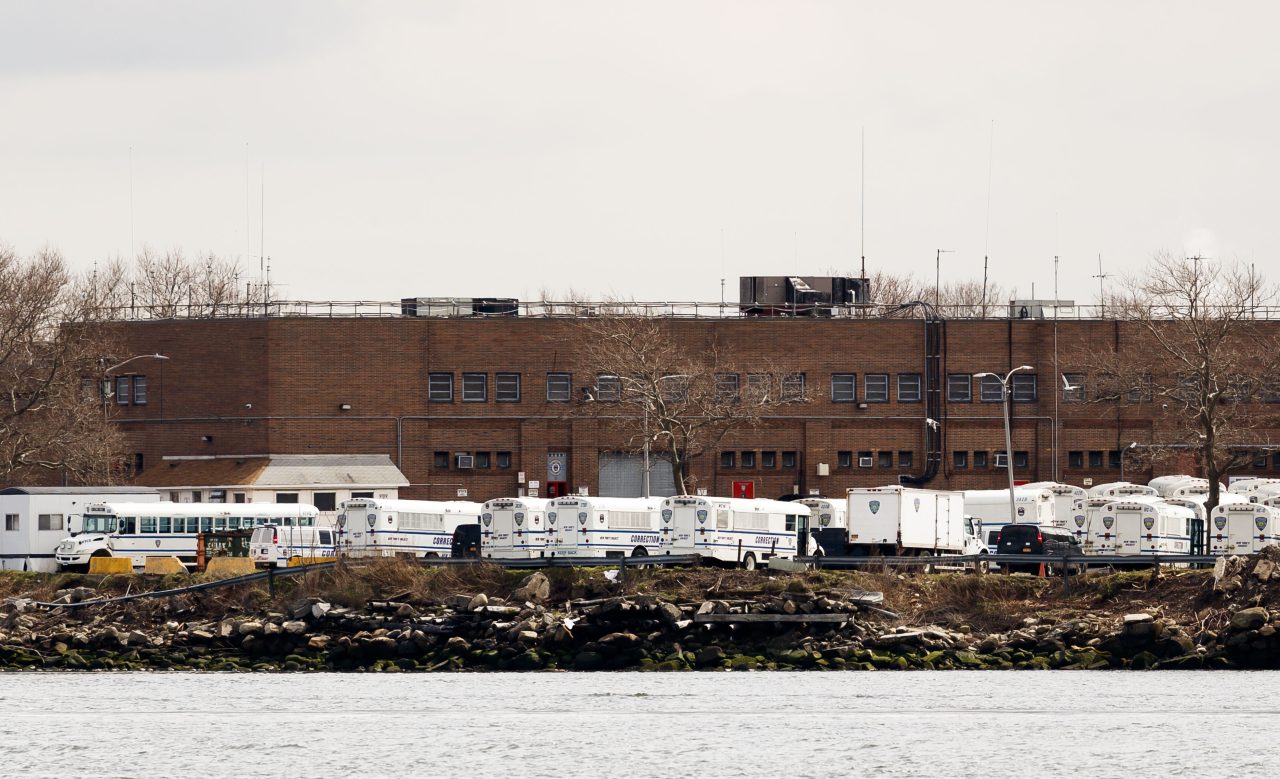
Rikers Island, a notorious correctional facility located in New York City, has long been a center of attention for its controversial practices and the conditions within its walls. As one of the largest jails in the United States, Rikers has faced growing scrutiny from lawmakers, activists, and the public over issues such as overcrowding, violence, and mental health treatment. The future of this facility is particularly relevant today, as discussions regarding its potential closure continue to evolve.
Current State and Conditions
Rikers Island serves as a pretrial detention center for individuals accused of crimes in New York City. Despite the city’s efforts to reform its criminal justice system, reports of appalling living conditions persist. According to a 2022 report by the New York City Board of Correction, inmates face overcrowded cells, inadequate access to medical care, and high levels of violence among the population. Furthermore, mental health services remain insufficient for the growing number of detainees struggling with psychological issues.
Recent statistics indicate that Rikers is operating at nearly double its intended capacity, with over 5,000 inmates housed in facilities designed for approximately 3,600. This overpopulation exacerbates existing issues and increases tensions both among inmates and between staff and detainees.
Legislative Actions and Proposed Changes
The push to close Rikers Island gained significant momentum in 2019 when New York City Mayor Bill de Blasio announced plans to close the jail by 2026 and replace it with smaller, community-based detention centers. Advocates argue that such a move would not only improve conditions for detainees but also reduce the negative social impacts associated with incarceration. In alignment with these goals, funding initiatives have appeared in the city budget aimed at enhancing mental health services, expanding diversion programs, and increasing resources for rehabilitation.
Public Opinion and Forecast
Public sentiment around Rikers Island varies widely, with advocates for reform pushing against traditional views on criminal justice. Many argue that closing Rikers is crucial for creating a more humane and effective justice system, while others express concerns about public safety and the ramifications of potentially relocating detention facilities. As other city officials and community organizations weigh in, the conversation surrounding Rikers Island will continue to be a focal point in New York’s reform efforts.
Conclusion
The future of Rikers Island remains uncertain, yet it embodies the broader challenges faced by correctional systems across the nation. As discussions and reforms progress over the coming years, it is essential for stakeholders to prioritize humane treatment and rehabilitation for individuals who find themselves within the justice system. The decisions made regarding Rikers Island will not only affect thousands of detainees but also set a precedent for criminal justice reform in the United States.