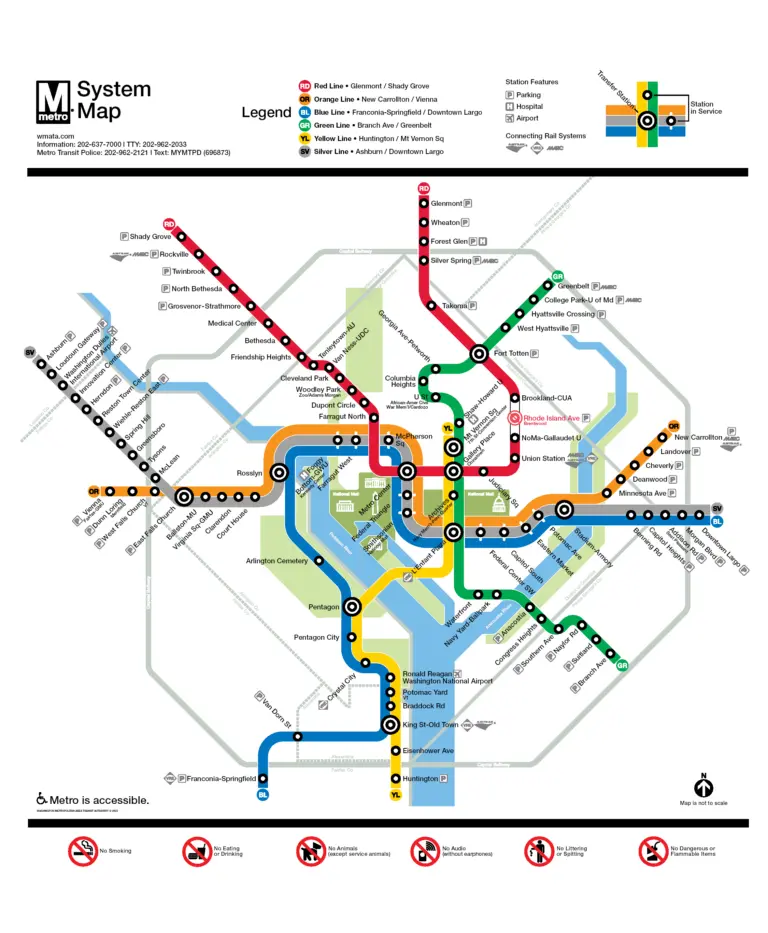
Introduction to PSV
Public Service Vehicles (PSVs) have become increasingly important in the realm of urban mobility. They serve as the backbone of public transportation systems in cities worldwide, facilitating the movement of thousands of commuters daily. As cities grow and populations increase, the demand for efficient public transit options like PSVs has surged. This not only aids in reducing traffic congestion but also plays a significant role in promoting eco-friendly transportation solutions.
The Role of PSV in Urban Mobility
According to the American Public Transportation Association (APTA), public transportation, largely facilitated by PSVs, saves over 4.2 billion gallons of gasoline annually, reducing greenhouse gas emissions and providing a sustainable commuting option. PSVs include buses, trolleybuses, and minibuses, typically designed to carry multiple passengers. Their operational efficiency and affordability make them a critical choice for city planners aimed at enhancing public transportation networks.
Recent Developments in PSV Technology
Over the past few years, advances in technology have led to significant improvements in the PSV industry. Electric buses, for instance, are being adopted across various municipalities as part of initiatives to decrease reliance on fossil fuels. A recent study by the International Energy Agency (IEA) highlighted that electric bus sales have surged, with a reported increase of 30% from 2021 to 2022. These developments not only address environmental concerns but also improve the operational efficiency of urban transport systems.
Challenges Facing PSV Implementation
However, the expansion of PSV systems faces hurdles. Funding for operational costs, maintenance, and infrastructure upgrades presents a significant challenge for many transit agencies. Recent data from the Federal Transit Administration indicates that nearly 40% of U.S. transit systems reported funding shortfalls that affect service frequency and the condition of vehicles. Additionally, there is an ongoing need for policy advocacy to secure sufficient investment in public transportation systems.
Conclusion
PSVs are more than mere vehicles; they are essential components of a functional and sustainable urban environment. As cities continue to expand, the need for efficient public transportation options will only increase. The potential impact of improving PSV systems extends beyond transportation—it contributes to economic stability, environmental protection, and improved quality of life. Stakeholders in urban planning must recognize the significance of PSVs and invest in their development to ensure a sustainable future for urban mobility.