Introduction
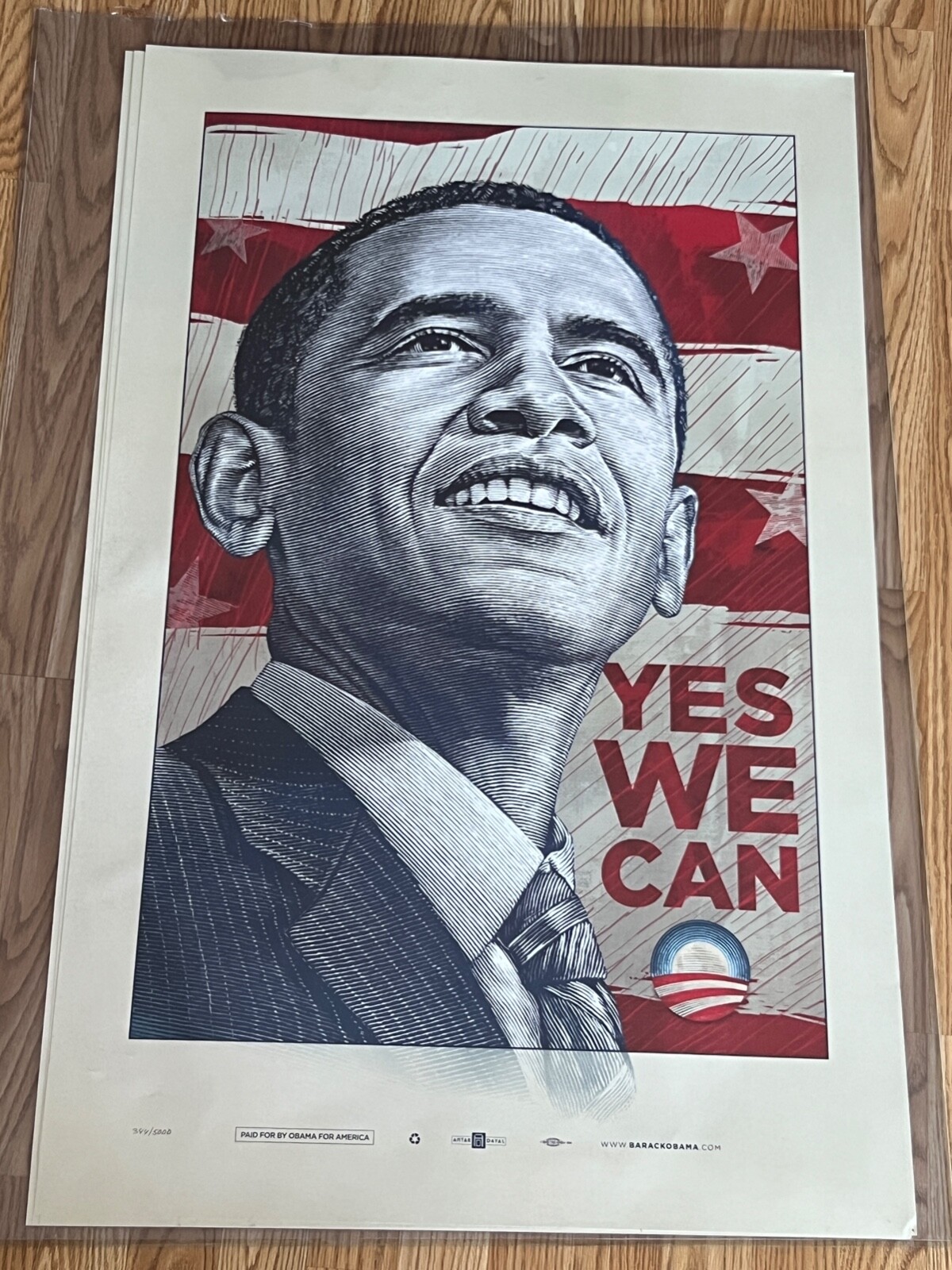
Barack Obama, the 44th President of the United States, served from 2009 to 2017, and his tenure marked a pivotal shift in American politics. His presidency not only symbolized the progress of racial equality but also introduced significant policies affecting healthcare, foreign relations, and climate change. As the first African American president, Obama’s influence extends beyond his time in office, affecting political discourse and civic engagement in the United States.
Key Policies and Achievements
During his administration, Obama championed the Affordable Care Act (ACA), which aimed to expand healthcare coverage to millions of uninsured Americans. Despite facing substantial opposition, the ACA succeeded in reducing the uninsured rate and remains a key aspect of his legacy. Other significant policies included the Dodd-Frank Act, aimed at regulating the financial industry following the 2008 economic crisis, and the Deferred Action for Childhood Arrivals (DACA), which provided temporary relief from deportation for eligible undocumented immigrants brought to the U.S. as children.
Challenges Faced
Obama’s presidency also confronted numerous challenges. The recovery from the Great Recession was slow, leading to criticism from various quarters regarding his economic policies. Foreign policy obstacles included dealing with the rise of ISIS, the Syrian civil war, and complex relationships with countries like Russia and China. His approach to foreign relations, particularly the pivot to Asia and the Iran nuclear deal, also faced scrutiny both domestically and internationally.
Obama’s Influence Post-Presidency
Since leaving office, Obama has remained an influential figure in American politics. He has been vocal on issues including climate change, healthcare, and social justice, leveraging his platform to inspire the next generation of leaders. His endorsement of candidates in elections and his involvement in various initiatives, such as the Obama Foundation, continue to shape political norms and encourage civic engagement. Additionally, his memoir, ‘A Promised Land,’ has received widespread acclaim, providing insights into his presidency and personal journey.
Conclusion
Barack Obama’s legacy is multifaceted, marked by significant accomplishments and challenges that continue to resonate in contemporary political discourse. As debates around healthcare, immigration, and social issues evolve, Obama’s influence is likely to persist. Understanding his contributions to modern America is essential not only for grasping historical context but also for engaging in the ongoing conversations about the future of the nation.