Introduction
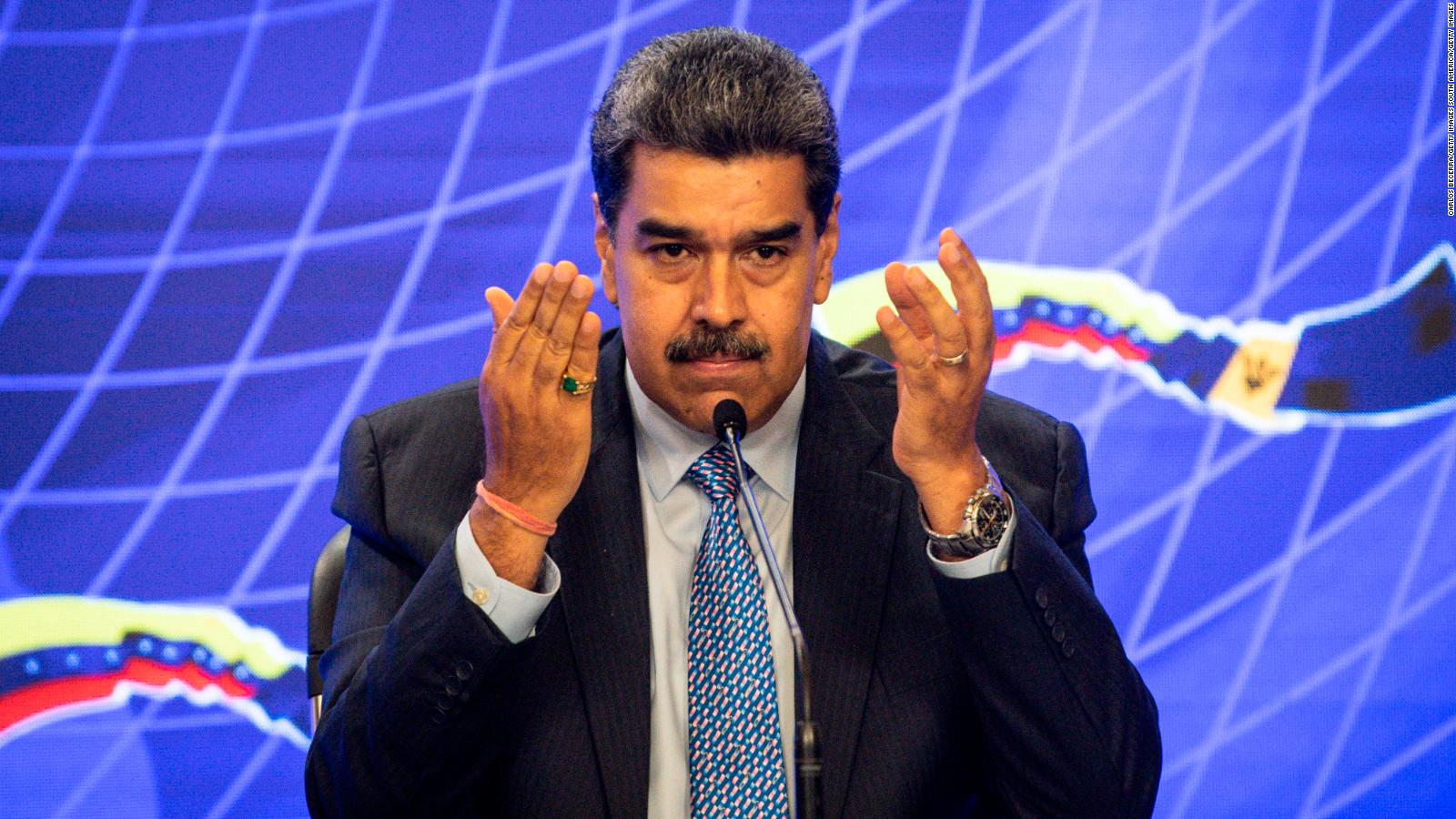
Nicolás Maduro has been a central figure in Venezuelan politics since becoming president in 2013, following the death of Hugo Chávez. His leadership has been marked by economic turmoil, human rights concerns, and strained international relations, making it crucial to understand his position in current global politics.
The Impact of Maduro’s Policies
Maduro’s administration has faced significant challenges, including hyperinflation, food shortages, and mass emigration, with reports indicating that over six million Venezuelans have left the country since 2015. The Venezuelan economy has struggled, primarily due to a decline in oil prices, which constitute the bulk of the nation’s revenue. Furthermore, economic sanctions imposed by the United States and other countries have exacerbated the crisis, leading to severe humanitarian issues.
Despite the economic despair, Maduro remains a controversial and polarizing figure within Venezuela. He has managed to maintain power through a combination of military support, strategic political maneuvers, and maintaining loyalty among core segments of the populace. His government has been criticized for suppressing dissent, with frequent reports of political imprisonment and crackdowns on opposition leaders.
International Relations and Sanctions
In the international arena, Maduro’s government has faced significant condemnation. The U.S. has been particularly vocal, imposing sanctions aimed at crippling the Venezuelan economy and isolating Maduro’s regime. In contrast, countries like Russia and China have offered support, viewing Venezuela as a strategic ally in the Americas. This dynamic creates a complex geopolitical situation, where collaboration and tensions coalesce.
Recent Developments
Recent elections have been heavily scrutinized, with allegations of fraud and voter suppression, raising questions about the legitimacy of Maduro’s presidency. However, Maduro’s government continues to assert that it retains the support of the people. In recent statements, Maduro has expressed a willingness to engage in dialogue with the opposition, though skepticism remains high among many observers.
Conclusion
Nicolás Maduro’s tenure as president of Venezuela reflects the struggles of an entire nation grappling with severe economic and humanitarian crises. As economic conditions deteriorate, the legacy of his leadership will likely be debated for years to come. Moving forward, the interplay between domestic policies and international relations will be crucial in shaping not only Venezuela’s future but also the stability of the Latin American region as a whole.