Introduction
Mifepristone, a medication widely known for its use in medical abortions, has become a focal point in ongoing debates around reproductive rights in the United States. As accessibility to reproductive healthcare shifts in the post-Roe v. Wade landscape, understanding the implications of mifepristone is critical for healthcare providers, policymakers, and patients alike. The medication’s significance extends beyond its clinical efficacy, influencing legal, social, and health policy dimensions.
Overview of Mifepristone
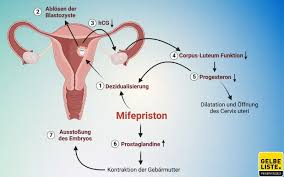
Mifepristone, originally approved by the FDA in 2000, is utilized in conjunction with misoprostol to terminate early pregnancies. It functions by blocking the hormone progesterone, which is necessary for fetal development. Studies have shown that when used correctly, mifepristone has a success rate of over 95% for medical abortion up to 10 weeks of gestation.
Current Legal and Political Landscape
Recent legal battles surrounding mifepristone have drawn national attention, especially following the recent overturning of Roe v. Wade by the Supreme Court. In several states, legislators have moved to restrict or ban its use, citing concerns over safety and ethical ramifications. Notably, a Texas federal judge’s ruling in 2023 led to a temporary suspension of FDA approval for mifepristone, prompting a cascade of legal responses nationwide. As various courts weigh in, the future of mifepristone remains uncertain.
Impact on Healthcare Access
The ramifications of these legal battles extend to healthcare providers and patients. Many clinics that offer reproductive healthcare are concerned about the implications for medication availability, which could potentially lead to increased barriers for individuals seeking abortions. While mifepristone is still available in many states, restrictions in others could leave patients with limited options, often compelling them to travel long distances for treatment.
Looking Ahead
Forecasts indicate that debates over mifepristone will continue to intensify as more cases reach higher courts. Advocates for reproductive rights argue that access to mifepristone is crucial for women’s health autonomy, while opponents maintain their ethical concerns over abortion medications. Furthermore, ongoing studies and public health data will be vital for informing policy decisions. As the country navigates these complexities, staying informed about mifepristone’s status and implications is essential for stakeholders across the board.
Conclusion
In conclusion, mifepristone is not just a medication; it represents a frontline issue in the evolving conversation about reproductive health rights in America. As legal challenges continue, the outcomes will significantly impact access to reproductive healthcare. Whether for general awareness or specific healthcare needs, being informed about mifepristone and its implications is crucial for individuals and communities navigating these changing landscapes.